



Former Padworth school mansion site for sale at £5m
Surrounding the 21,600 sq ft main house is a range of specialist educational buildings and facilities, including boarding and teaching accommodation, outbuildings, a gym, heated outdoor swimming pool, and tennis courts.Padworth's origins date back to the Domesday Book of 1086, and the current house stands on what is believed to be the site of the medieval manor, once held by the Coudray family from the 13th Century.The earliest surviving element of the current building is the eastern wing, where internal oak beams date from the late 15th Century.The estate was significantly remodelled in 1769 by London merchant and governor of St Thomas' Hospital, Thomas Brightwell, who commissioned architect John Hobcraft to redesign it.
'Extraordinary heritage'
The house remained in private ownership until 1963, when it became a college founded by Oxford academic Peter Fison with a mission to bring a tutorial-style approach to sixth form education.Initially a girls' boarding school, it became co-educational in 2005 and joined the Inspiring Futures Education group in 2018.After marking its 60th anniversary in 2023, a strategic decision was made in 2025 to close the school.Charlie Freer, director of Inspiring Futures Education, said: "It has been a privilege to steward Padworth College."With its extraordinary heritage and idyllic setting, we are confident that the next chapter will honour the site's legacy while unlocking its full potential."Bishopstrow College in Wiltshire is also closing after International Future Education could not find a buyer.
You can follow BBC Berkshire on Facebook, X (Twitter), or Instagram.
Hashtags

Try Our AI Features
Explore what Daily8 AI can do for you:
Comments
No comments yet...
Related Articles


Auto Car
 24 minutes ago
- Auto Car
JLR opens new energy farm that is the size of 36 football pitches!
Jaguar Land Rover (JLR) has opened a solar farm the size of 36 football pitches at its Gaydon headquarters as part of efforts to increase its energy independence. The 26-hectare, 18MW site can generate enough electricity to power a third of the British firm's base. The site is home to JLR's design, engineering and R&D teams. It is part of a move from JLR to source at least 30% of its global energy use from on-site renewables, while also reducing its reliance on grid energy – and therefore fluctuating energy costs – and improving its environmental impact. A similar project is being completed at its Wolverhampton Electric Propulsion Manufacturing Centre. There, one of the UK's largest rooftop arrays, featuring more than 18,000 panels, will open in the coming months. This will be able to generate around 9500 MWh of energy each year, meeting 40% of the site's needs. Next year, the marque will install 10MW of solar car ports at its Merseyside site. These include canopies and solar walkways – structures like these are quite common in hotter countries, such as Spain. They will mostly provide energy for EV charging. JLR's chief sustainability officer Andrea Debbane said the steps were 'important'. She added: 'They directly reduce our global operational emissions and help move us closer to our net zero goal, whilst delivering tangible value today and for the long-term.'

Daily Mail
24 minutes ago
- Daily Mail
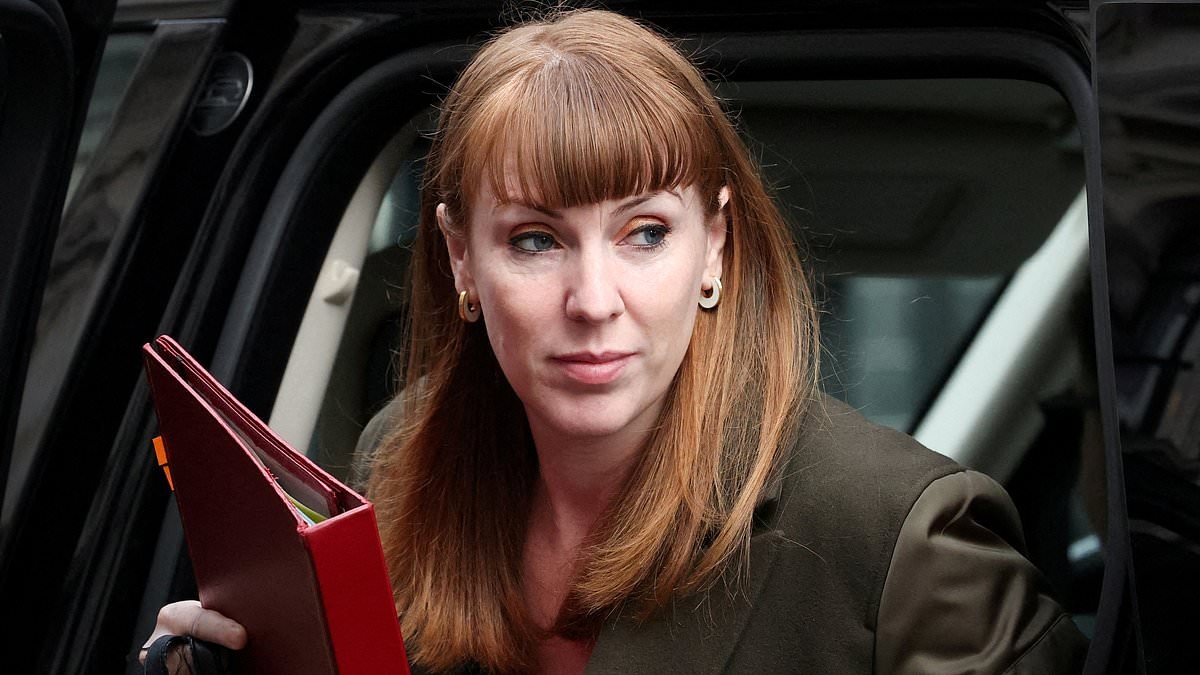
Labour's war on Middle England: Rural areas could foot the bill to pay for Rayner's reforms of council tax
Middle England will be hit by the highest possible increases in council taxes to pay for 's reforms to the system, town hall leaders have warned. Households in the countryside will reportedly be charged at unfairly high levels to pay for residents of cities under the Communities Secretary's 'fair funding' plans. Last night, Tory leader Kemi Badenoch branded it a 'spiteful' move that will push more cash into traditional Labour areas. Analysis by the County Councils Network (CNN) found rural and county local authorities will lose close to half a billion pounds in Government cash over the next three years thanks to Ms Rayner's attempt to level up the system. This will force them to cut vital services and hike bills for hard-pressed residents by the maximum 5 per cent allowed. The CCN demanded an urgent injection of cash from Whitehall to fill the gap, warning town halls on the brink would otherwise be unable to provide crucial care for the elderly and vulnerable children. It comes after almost all town halls raised bills by the maximum amount earlier this year to deal with soaring demand and costs, taking the average bill to £2,280. Chairman of the group, councillor Tim Oliver, said: 'Some 16 county and rural councils will see reductions in grant funding, while the Government's proposals place a disproportionate burden on taxpayers in county areas to fund local services and redistribute funding to urban areas. 'It's vital the Government makes more money available to mitigate the impact of these reforms.' Ms Badenoch said: 'Yet again the Labour Government is showing utter contempt for people living in rural Britain. 'The family farms tax has been devastating, and scrapping the rural services grant has put rural councils under enormous pressure. 'This latest change will steal more money out of the hands of county councils and send it straight into Labour-run urban areas.' Under Ms Rayner's Fair Funding Review 2.0, the Ministry of Housing, Communities and Local Government (MHCLG) will make major changes to how English councils are funded. Her updated formula will allocate cash based on local areas' needs and their ability to raise council tax compared to others around the country. The Institute for Fiscal Studies think-tank has already warned it will create big winners and losers, with those in the home counties likely to suffer budget cuts unless council taxes rise. In its response to the MHCLG consultation, published last night, the CCN said it would mean 16 authorities – including some in the Midlands and North – losing £470million of funding over the next three years. In total, county and unitary councils' grant funding will rise by just £374million. Unless 33 of the 38 town halls impose the maximum 5 per cent council tax rises, they will see a real-terms cut in funding, according to the CCN. Metropolitan authorities will get £1.2billion, and a proposal to redistribute £1.6billion in council tax income will benefit urban areas at the expense of the countryside. An MHCLG spokesman said: 'We do not recognise this analysis. We are taking decisive action to reform the funding system.'
Daily Mail
24 minutes ago
- Daily Mail
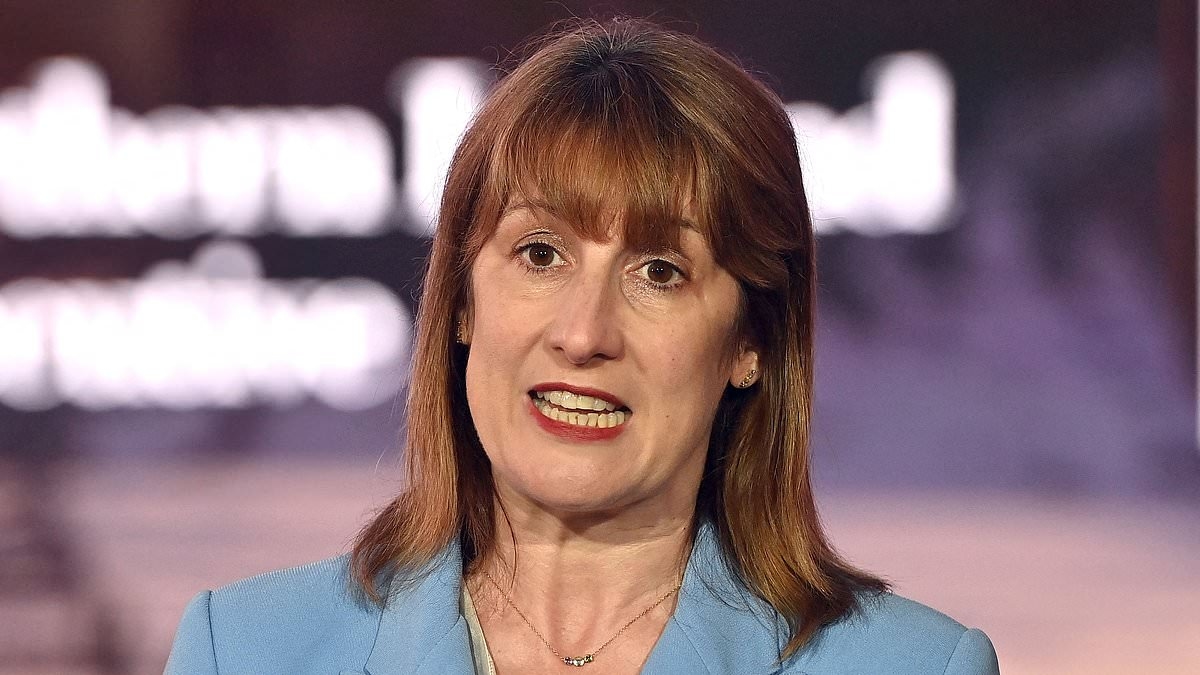
Fears new Labour property tax will hit the hardest workers, as Rachel Reeves's minister refuses to rule out controversial new levy to replace stamp duty
faced a furious backlash yesterday over a possible and highly controversial shake-up of property levies. The Chancellor was warned that proposals to replace stamp duty with an annual charge on homes worth more than £500,000 would damage the market as well as punish people who have worked hard to own their houses. And one of her Treasury ministers refused to rule out the possibility of her introducing the radical change in the Budget as she seeks to fill a £50 billion black hole in the public finances. Labour vowed before the last election that it would 'not increase taxes on working people', ruling out rises in National Insurance, income tax or VAT. But that language seemed to soften yesterday. Shadow Chancellor Sir Mel Stride said: 'Labour can equivocate all they like, but we know they are drawing up plans to raise taxes yet again at the Autumn Budget. ' Keir Starmer and Rachel Reeves promised not to raise taxes on working people, then introduced a £25 billion Jobs Tax – which will leave the average working household £3,500 worse off. 'Now, after their botched welfare reforms and economic mismanagement, they are clearly gearing up to do it all over again this autumn. 'The British public simply cannot afford Labour. Only the Conservatives believe in sound money and low taxes.' As part of her efforts to fill the Government's coffers and boost economic growth, Ms Reeves is understood to have asked officials to look at a potential overhaul of property taxes. She has already been called on by economists to scrap the current system in which buyers having to pay thousands of pounds in stamp duty on house sales, which they say deters people from moving. The Guardian reported that owners of houses worth more than £500,000 could have to pay a 'proportional property tax' based on the value of their properties when they sell up. However, sources played down the claims that Treasury officials are looking at this proposal or threshold. Sources also moved away from suggestions that civil servants are drawing on the findings of a report published last year by think-tank Onward, which proposed that only future owners could pay an annual tax based on the value of the property instead of stamp duty. Under the plan put forward by economist Professor Tim Leunig, current homeowners would not be hit by the charge but if they do sell up in future, their buyers would pay the levy each year instead of stamp duty at the point of purchase. Kirstie Allsopp, the TV presenter who fronts Location, Location, Location, led a furious backlash over the reported plans It is intended to open up the property market by making it less expensive to move and encouraging those in large homes to downsize. TV presenter Kirstie Allsopp warned the Chancellor not to risk destabilising the market by 'flying kites' about potential new property taxes, telling Times Radio: 'It's not Rachel's to go after because it's their homes. 'It's the roof over their head. And this Government seems to want to punish people for making the sacrifices they've made to buy their own homes.' James Browne, senior economic policy adviser at the Tony Blair Institute, said: 'While replacing stamp duty with a new annual property levy on homes worth more than £500,000 is economically sensible, it would be politically challenging. 'Either long-standing homeowners who are asset-rich but cash-poor would be hit with much larger bills or, if it only applied after a property changed hands, would discourage moving just as much as stamp duty does at the moment.' Treasury minister Torsten Bell told Sky News: 'Tax decisions are made by the Chancellor. I'm not going to start speculating on individual taxes.' Last night a Treasury spokesman said: 'We are protecting payslips for working people by keeping our promise to not raise the basic, higher or additional rates of income tax, employee National Insurance or VAT.' What are the plans for a 'national property tax'? What is being proposed? The Treasury is said to be considering plans for a national property tax on the sale of homes worth more than £500,000. What would this replace? This tax would replace stamp duty on owner-occupied homes. Buyers pay stamp duty under the existing framework, if they purchase property worth more than £125,000. How would the new tax work? The new levy would be paid by owner-occupiers on houses worth more than £500,000 when they sell their home, with the amount due determined by the value of the property and a rate set by the Government. What figures could be involved? This has not been confirmed. But a report by think tank Onward last year suggested replacing stamp duty with an annual 'national proportional property tax' levied on homeowners of houses with a value above £500,000, at a rate of 0.54% - plus a 0.278% supplement on values over £1million. A separate local property tax set at 0.44% of the house value up to £500,000 and with a minimum of £800 per household per year could replace council tax. What are current stamp duty rates? Stamp duty rates for buying a single property are currently 2% from £125,000; 5% from £250,001; 10% from £925,001; and 12% from £1.5million.
