


Latest news with #DepartmentofFoodSafety

Jordan News
 6 days ago
- Health
- Jordan News
The Hidden Dangers of Heating Certain Foods in the Microwave - Jordan News
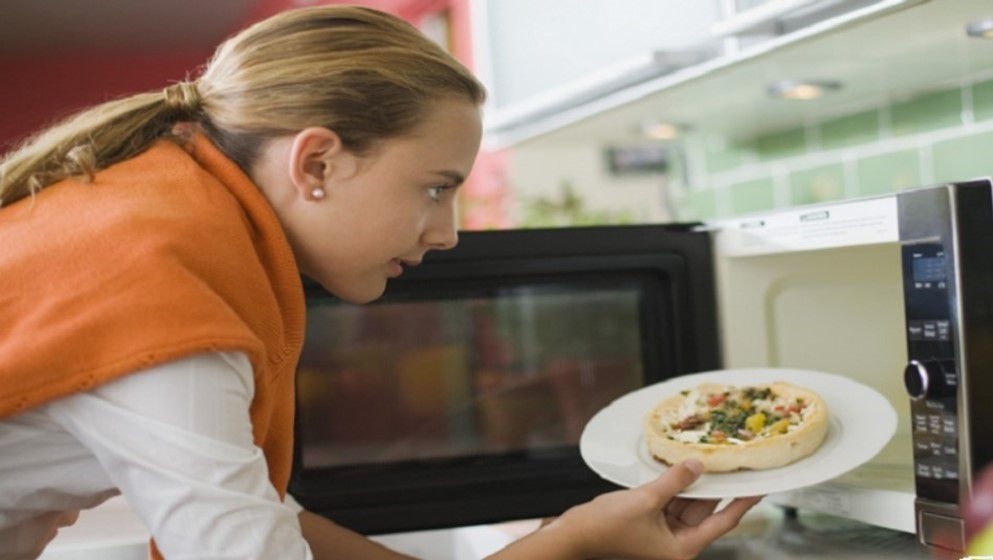
The microwave oven is a convenient and fast way to reheat food. However, certain foods should not be heated in the microwave due to the risk of losing their nutritional value, changing their texture, or even forming harmful substances. اضافة اعلان Microwaving Baby Food Can Be Risky A new study warns about the dangers of using the microwave to heat baby food. Dr. Natalia Fomenko, Associate Professor in the Department of Food Safety at the University of Biotechnology, explains: "Eggs — whether boiled or still in their shell — should never be microwaved directly, as the steam buildup inside can cause them to explode. It's safer to warm them in hot water." She also strongly discourages microwaving breast milk or baby food, as it can result in uneven heating that creates "hot spots" — which can burn a baby's mouth or throat. Instead, these foods should be warmed in a water bath. Leafy Greens and Spicy Foods Pose Risks Dr. Fomenko also advises against heating leafy green vegetables like spinach, celery, and lettuce in the microwave. These vegetables contain nitrates, which can convert into harmful nitrosamines when exposed to high heat. Likewise, foods that contain chili peppers or hot spices may release capsaicin — a compound that vaporizes when heated and can irritate the eyes and respiratory system. Mushrooms and Oils Should Be Handled Carefully "Mushrooms should also be avoided in the microwave," she says. "Microwaving causes the proteins in mushrooms to break down rapidly, increasing the risk of digestive discomfort." A better option is to reheat mushrooms on the stovetop over medium heat. Additionally, vegetable oils such as olive oil or flaxseed oil can oxidize in the microwave, leading to the loss of their healthful properties. Heating Honey Can Make It Toxic Microwaving honey may cause it to lose its nutritional benefits, as its crystal structure changes when heated. High temperatures can destroy the enzymes and vitamins in honey and lead to the formation of hydroxymethylfurfural (HMF) — a compound suspected to be carcinogenic in some studies. To avoid this, honey should be warmed gently in a water bath. Microwave May Degrade Nutrients and Texture Dr. Fomenko adds that microwaving can speed up the loss of vitamin C in fruits and vegetables, and can cause frozen fruits to become watery and mushy due to breakdown in texture. Rice and Processed Meats Are Especially Risky Rice, surprisingly, is one of the most dangerous foods to reheat in a microwave. It may contain Bacillus cereus, a type of bacteria that isn't killed by reheating, and can cause food poisoning. Finally, processed meat products like sausages and hot dogs can form oxidized cholesterol compounds when microwaved — substances linked to an increased risk of heart and vascular diseases. Instead, such products should be reheated using a conventional oven, stovetop, or steamer.


The Hindu
06-08-2025
- Health
- The Hindu
365 litres of palm oil stocked in unhygienic, used cans seized from snacks-making unit in Aruppukottai
A team of officers from the Department of Food Safety seized 365 litres of palm oil that were stocked in used cans without seal and label from a snacks manufacturing unit at Aruppukottai on Wednesday. The team led by Virudhunagar district Food Safety Designated Officer Dr. S. Mariappan, found the palm oil, used for making snacks, that was packed in unhygienic cans. 'As per Food Safety Act, the cans should have been sealed and should also bear the label of the manufacturer or supplier,' he said. Besides, the officials found 11 kg of non-iodised salt on the premises and seized it. The operation of the unit has been suspended till the unit got FSSAI license. Based on the information given by the trader, the officials then inspected an oil shop in Aruppukottai market, and found 195 litres of palm oil that were kept in old and unhygienic cans. The officials have lifted samples of palm oil for analysis. Then the officials inspected a palm oil supplier at Fatima Nagar in Virudhunagar and found he had supplied palm oil in unsealed and unlabelled cans which were found at the snacks manufacturing unit and at the trader in Aruppukottai. The team also seized 327 used plastic cans and 3,099 used tins from the premises. Further action is underway. Dr. Mariappan said that all the traders of edible oil should have FSSAI license, manufacturers should sell the edible oil only in packed and labelled cans and used cans should not be used for refilling.

The Hindu
24-06-2025
- Health
- The Hindu
Food Safety dept. to revoke licences of two shawarma outlets in Kochi
The Department of Food Safety in Ernakulam has decided to revoke the licences of two shawarma outlets in Ravipuram and Kaloor as a follow-up of the complaints lodged by persons who got ill after consuming suspected uncooked meat from the eateries last week. The health wing of the Kochi Corporation had asked the management of the outlets to shut down operations temporarily after the inspections carried out had revealed that the eateries selling dishes, including shawarma and shawai, were functioning in an unhygienic manner. The health condition of a woman who had consumed the dishes from the Ravipuram outlet last week had worsened after she developed symptoms of food poisoning including fever, diarrhoea and abdominal cramps. The affected persons had lodged the complaints on June 21 and 23. Senior officials of the Department of Food Safety in Ernakulam said that the licences would be revoked as per the provisions of the Food Safety Act. The department will initiate adjudication proceedings against the management. Both the Food Safety Department and the Kochi Corporation had received complaints of food poisoning from those who had consumed the dishes. Food safety officials suspected that the consumption of uncooked meat might have resulted in food poisoning. The officials added that they had been conducting regular inspections to ensure that the outlets were not using mayonnaise made using raw eggs as the government had banned it earlier. Health wing officials of the Kochi Corporation said that the management had shut down the Kaloor outlet on its own after the persons who had consumed the dishes from the Ravipuram outlet lodged a complaint. 'We told them to shut it down temporarily as dishes prepared in the Ravipuram outlet were sent to the Kaloor outlet for sale,' they said.
The Hindu
13-06-2025
- The Hindu
Tenkasi couple held for supplying ‘synthetic' milk produced by use of chemicals
The Food Safety Department officials have unearthed a unit producing 'milk' with chemicals and arrested a couple, who were supplying over 1,000 litres of this harmful product to the hotels, teashops and the public everyday. After four inmates of an old-age home died between Wednesday and Friday due to suspected food poisoning, District Collector A. K. Kamal Kishore instructed the officials attached to the Department of Food Safety and Tenkasi Municipality to organise surprise checks in the restaurants, teashops, snack shops and the milk supplying points. Meanwhile, Superintendent of Police S. Aravind received information that 'milk' was being produced artificially by mixing a few chemicals in a building near Tenkasi police station. The SP instructed the Tenkasi police to raid the spot. When one of the teams raided a building near Tenkasi Police Station on Friday, the officials found Gomathi Shankar of Melapaavoor and his wife Lakshmi artificially synthesizing 'milk' using a few chemicals. They had been supplying over 1,000 litres of milk a day to the public, teashops and a few hotels in and around Tenkasi for more than a year. The team, with the help of the police, nabbed one Muppidathi, also from Melapaavoor, who allegedly supplied the chemicals to the couple for making 'milk'. When the raid was conducted, 300 litres of 'milk' was about to be taken in an autorickshaw to the customers. 'The chemicals used by Gomathi Shankar and Lakshmi for preparing 'milk' can cause serious side-effects if it is consumed everyday for a few months. Since they have supplied this slow poison to the public, teashops and the restaurants, those who had consumed tea and coffee prepared with this 'milk' should consult the doctors and get themselves screened,' said an official attached to the Department of Food Safety. The 'milk' sample has been sent for analysis. Police said the chemically synthesized 'milk' had been sold at a rate of ₹50 a litre to the customers. Since Gomathi Shankar was selling 1,000 litres a day, he was getting a revenue of ₹50,000 a day and making a profit of more than ₹40,000 a day. 'A major portion of the 'milk' synthesized by Gomathi Shankar had been supplied everyday to two teashops in Tenkasi new bus-stand, we came to know during the investigation,' said the police, who are mulling over freezing the bank accounts of Gomathi Shankar and Lakshmi and attaching their properties. 'Since the bank accounts of ganja smugglers and peddlers are frozen besides attaching their properties, we're planning to apply the same procedure to this case also,' said a senior police officer.

The Hindu
05-06-2025
- The Hindu
Food safety officials seize a tonne of artificially-ripened mangoes in Vellore
The Food Safety Division and Health department officials of Vellore Corporation seized one tonne of mangoes that were artificially ripened with chemicals while conducting a surprise inspection at the shops and warehouses in Vellore fruit market on Thursday. Officials of the Department of Food Safety said that more than 30 wholesale mango traders function from the British era wholesale fruit market within the Corporation limits. They buy mangoes from neighbouring farming villages in Ranipet, Tirupattur, Krishnagiri and Tiruvannamalai. 'Traditionally, Vellore is the second biggest wholesale market for mangoes after Salem. Huge quantities of mangoes were traded during the season between April and July,' S. Rajesh, Food Safety Officer (Vellore), told The Hindu. The raid, first in the season, was led by P.K. Kailesh, Designated Officer (DO) in-charge, Department of Food Safety (Vellore), following complaints from consumers that mangoes were being artificially ripened using chemical agents, such as carbide and ethylene. As the ripening of mangoes using chemicals posed potential health risks, the department was prompted to ban their use. 'Some vendors artificially ripen fruits, especially mangoes, as they can sell more stocks in a shorter period before the end of the season. Awareness is being created among wholesale and retail dealers against such methods of ripening of fruits,' said P. Gnanavel, president, Vellore All Traders Association. At present, on an average, Vellore town gets at least 1,000 tonnes of mangoes every day for wholesale and retail sale. After local consumption, most of the stocks get sold to fruit pulp factories in Krishnagiri and Chittoor (A.P.) for making packaged juices and other products.
