


Latest news with #GideonSkinner

Daily Mirror
 14-07-2025
- Health
- Daily Mirror
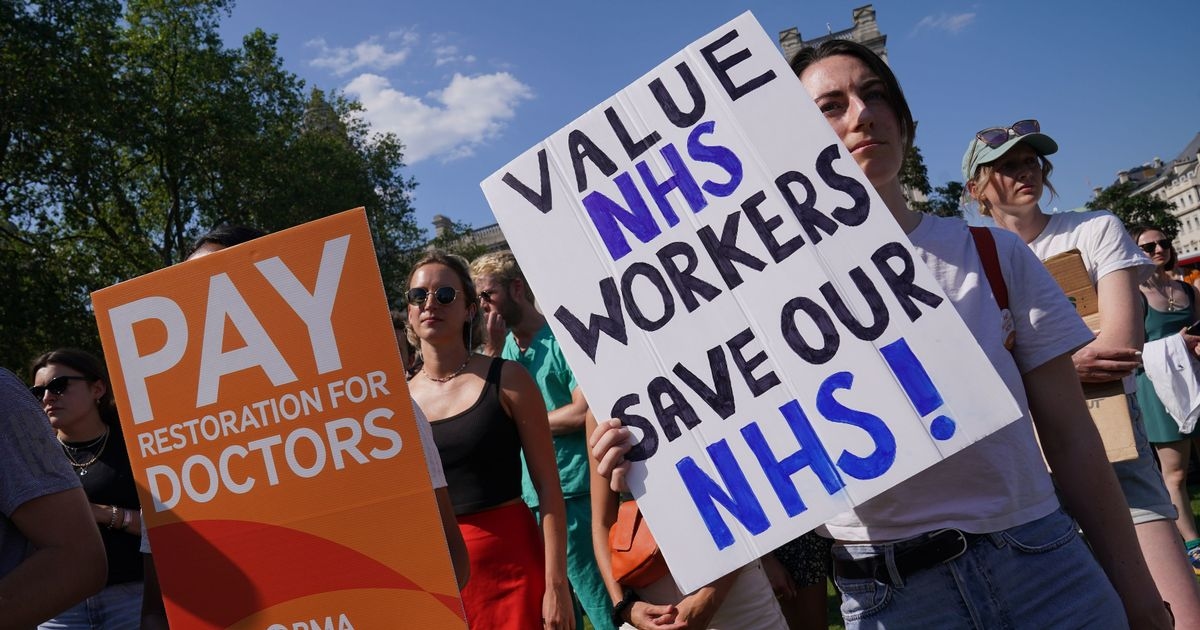
'Doctors must think before downing stethoscopes - strike would be self harm'
Sympathising with striking workers is in my DNA, so I hope that England's hospital doctors think again before downing their stethoscopes. This is because Wes Streeting has already won the battle for the public's hearts and minds. With recent average pay rises totalling 28.9 per cent – the Health Secretary authorising 22.3 per cent over two years to settle a dispute inherited from the Tories, then this year's inflation-beating 5.4 per cent – have transformed the mood. We could all agree these hard-working, skilled and stressed life-savers are worth even more. But with the NHS finally getting back on its feet, waiting lists falling from Conservative record highs, patients wouldn't be voicing solidarity on picket lines should five days of walkouts start on July 25. Public support for the doctors has collapsed ahead of talks between Streeting and their British Medical Association trade union. New polling finding previously strong approval for industrial action by what are now called resident doctors halving from 52 per cent a year ago to just 26 per cent . As surveyor Ipsos's senior director Gideon Skinner opined, these would be the first doctors' strikes for some years without broad-based support from the public, with Labour voters among them. Pats on the back don't pay bills and muscle is key in disputes, but while participating medics voted overwhelmingly to strike in 2025 (90 per cent) as they did in 2023 (98 per cent), ballot turnout dropping to 55 per cent from 77 per cent signalled some queasiness on the wards. Perhaps their BMA resident doctors' committee co-chair Dr Ross Nieuwoudt was carried away when he suggested 'people are excited to go again', later clarifying docs were 'energised' to strike. How much their living standards are down since 2008 is disputed, the BMA claiming a painful 29 per cent while the Nuffield Trust puts it at a smaller 5 per cent. Still, whichever financial calculation is accepted, doctors have a case as do millions of other workers punished by what the TUC – which the BMA is not affiliated to – billed as the Tory worst wages squeeze since the Napoleonic era. The health and political calculations the BMA must also consider are whether squandering bedside trust and the respect are prices these doctors are prepared to pay in a dispute they could lose industrially as well as publicly. Streeting's up for the fight. Are they? The best outcome for patients would be no strikes followed by an agreed independent review to improve earnings long-term. Wages, jobs and lives are in the balance.


The Independent
22-06-2025
- Politics
- The Independent
Reform UK would win if general election held tomorrow, poll suggests
Reform UK has taken a dramatic nine-point lead over Labour, a new poll has revealed. The Ipsos survey showed Reform had 34 per cent of the vote share, compared to Labour's 25 per cent. This means that if a general election were held tomorrow, Reform's leader Nigel Farage would probably be elected prime minister. Meanwhile, the Conservatives had only 15 per cent of the estimated vote share in the lowest result ever recorded by Ipsos, and the highest ever for Reform. The figures from the polling of 1,180 people show Labour's plunging popularity, after winning the 2024 general election with the biggest majority since Tony Blair. Only 19 per cent say they are satisfied with the work he is doing, while 73 per cent were dissatisfied, according to the poll. The figures showed that 54 per cent of Labour voters and 48 per cent of Tory voters have changed their support, with a high proportion of defectors from both going to Reform. If that played out, there would be just 10 Conservative seats while Labour would be reduced from 403 to 140. Gideon Skinner, senior director of UK politics at Ipsos, said: 'The disappointment with Labour is clear, even among those who voted for the party in 2024. We know from Ipsos research how difficult it has been to shift entrenched public pessimism over the cost of living, immigration, and the state of public services. 'So far, Britons do not think Labour is delivering the tangible change they were hoping for in 2024.' Earlier this month, Reform was hit with chaos after the man brought in by Nigel Farage to professionalise the party quit following a row with their newest MP. Zia Yusuf, a Muslim businessman, described new Runcorn MP Sarah Pochin as 'dumb' after she challenged Sir Keir Starmer over the legality of women wearing the burqa in the UK during Prime Minister's Questions. After fury broke out about his comment, Mr Yusuf, who had been the target of anger by many activists over several months, announced his resignation. He returned to the party in a new role two days later.


Zawya
28-04-2025
- Business
- Zawya
Britons' confidence in economy falls to lowest since at least 1978, Ipsos MORI poll shows
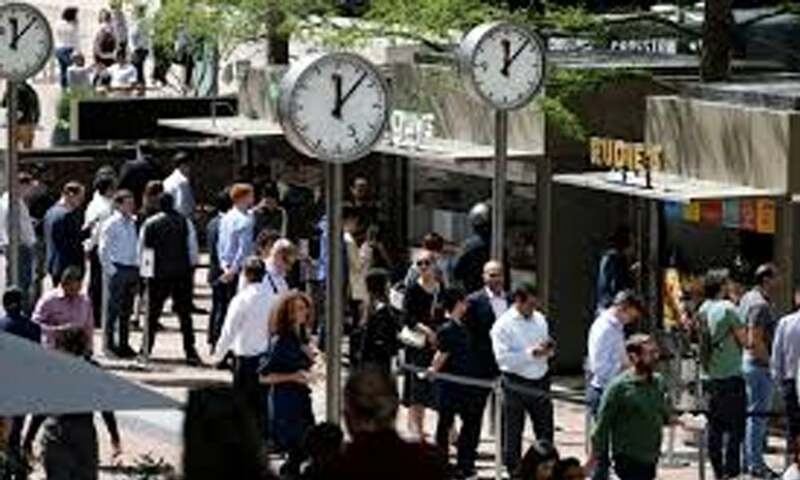
LONDON: Confidence among people in Britain about the economy over the next 12 months has fallen to the lowest on record, polling firm Ipsos MORI said on Sunday, with only a small number expecting improvement over the period. Seventy-five percent of Britons expect the economy to get worse over the next 12 months, up 8 percentage points since March, Ipsos said. Just 7% of Britons think the economy will improve over the next year, while 13% thought it would stay the same. The minus 68 net balance represented the lowest degree of optimism since Ipsos began collecting the data in 1978. Confidence had already wilted among British businesses and consumers, and recent U.S. tariffs and concerns over the state of the UK economy have dragged pessimism to a low not seen since the recession of 1980, the financial crisis of 2008 and the COVID-related cost-of-living crisis, Ipsos said. The net balance in terms of economic confidence reached minus 64 in all those periods, Ipsos said. The findings are a blow to Labour Prime Minister Keir Starmer, who was elected last July with an ambition for Britain to become the fastest-growing economy in the Group of Seven. "Pessimism about the economy (was) already up 30ppts compared with last June even before this month's figures," Gideon Skinner, Ipsos' senior director of UK Politics. "Few prime ministers have faced this level of economic pessimism at this stage in." The British government, which oversees a relatively trade-intensive economy compared with other G20 countries, is seeking to avoid the U.S. reciprocal tariffs by negotiating a new economic deal with the United States.

Business Recorder
28-04-2025
- Business
- Business Recorder
Britons' confidence in economy falls to lowest since at least 1978
LONDON: Confidence among people in Britain about the economy over the next 12 months has fallen to the lowest on record, polling firm Ipsos MORI said on Sunday, with only a small number expecting improvement over the period. Seventy-five percent of Britons expect the economy to get worse over the next 12 months, up 8 percentage points since March, Ipsos said. Just 7% of Britons think the economy will improve over the next year, while 13% thought it would stay the same. The minus 68 net balance represented the lowest degree of optimism since Ipsos began collecting the data in 1978. Confidence had already wilted among British businesses and consumers, and recent US tariffs and concerns over the state of the UK economy have dragged pessimism to a low not seen since the recession of 1980, the financial crisis of 2008 and the COVID-related cost-of-living crisis, Ipsos said. The net balance in terms of economic confidence reached minus 64 in all those periods, Ipsos said. The findings are a blow to Labour Prime Minister Keir Starmer, who was elected last July with an ambition for Britain to become the fastest-growing economy in the Group of Seven. 'Pessimism about the economy (was) already up 30ppts compared with last June even before this month's figures,' Gideon Skinner, Ipsos' senior director of UK Politics. 'Few prime ministers have faced this level of economic pessimism at this stage in.' The British government, which oversees a relatively trade-intensive economy compared with other G20 countries, is seeking to avoid the US reciprocal tariffs by negotiating a new economic deal with the United States.


TimesLIVE
27-04-2025
- Business
- TimesLIVE
Britons' confidence in economy falls to lowest since at least 1978, Ipsos MORI poll shows
Confidence among people in Britain about the economy over the next 12 months has fallen to the lowest on record, polling firm Ipsos MORI said on Sunday, with only a small number expecting improvement over the period. Seventy-five percent of Britons expect the economy to get worse over the next 12 months, up eight percentage points since March, Ipsos said. Just 7% of Britons think the economy will improve over the next year, while 13% thought it would stay the same. The minus 68 net balance represented the lowest degree of optimism since Ipsos began collecting the data in 1978. Confidence had already wilted among British businesses and consumers, and recent US tariffs and concerns over the state of the UK economy have dragged pessimism to a low not seen since the recession of 1980, the financial crisis of 2008 and the Covid-19-related cost-of-living crisis, Ipsos said. The net balance in terms of economic confidence reached minus 64 in all those periods, Ipsos said. The findings are a blow to Labour Prime Minister Keir Starmer, who was elected last July with an ambition for Britain to become the fastest-growing economy in the Group of Seven. 'Pessimism about the economy (was) already up 30ppts compared with last June even before this month's figures,' Gideon Skinner, Ipsos' senior director of UK politics. 'Few prime ministers have faced this level of economic pessimism at this stage in.' The British government, which oversees a relatively trade-intensive economy compared with other G20 countries, is seeking to avoid the US reciprocal tariffs by negotiating a new economic deal with the US.
