


Latest news with #InstituteOfFoodTechnologists


CNET
 06-06-2025
- Health
- CNET
This Is How Long Eggs Last in the Fridge
Although eggs have been a common kitchen staple since the dawn of time, you may not know everything about this protein-packed ingredient, including how long they last in the fridge. According to a CNET survey, 93% of Americans are concerned about inflation, and 77% are experiencing "sticker shock" when shopping for groceries. If you're considering buying eggs in bulk to save money or simply want to stretch that carton in your fridge for as long as possible, we have you covered. We spoke to a food safety expert to explain the best way to store eggs so that you can enjoy them at their best, no matter when you decide to use them. How long do eggs last in the fridge? According to the US Department of Agriculture, eggs typically stay good for three to five weeks in the fridge. They "often remain safe to eat for a week or two beyond that date, as long as they've been kept refrigerated," said Zachary Cartwright, a member of the Food Safety and Quality Management Division at the Institute of Food Technologists and lead food scientist at Aqualab by Addium. There are ways to maximize an egg's freshness. Cartwright says you should keep your eggs in their original carton and "with the pointed end down to help maintain their freshness by keeping the air cell at the top. This slows moisture loss and keeps the yolk centered." It's also important to store eggs in the coldest part of your fridge rather than the door since the temperature fluctuates in that area, he says. Hard-boiled eggs that are still in their shell stay good for about a week in the fridge, according to the USDA. Why do we refrigerate eggs? The USDA recommends that eggs from a hen be stored in the fridge as soon as possible."In the U.S., eggs must be refrigerated due to the washing process that removes the natural protective coating on the shell, making them more susceptible to bacteria," Cartwright says. "In some other countries, eggs are not refrigerated because they retain their protective coating. However, once eggs are refrigerated, they should remain so to prevent condensation, which can promote bacterial growth." According to State Food Safety, the U.S. washes its eggs to prevent the spread of salmonella. The USDA also recommends that eggs from a hen be stored in the fridge as soon as possible after they are gathered. Can I freeze eggs? Cooked eggs freeze extremely well. David Watsky/CNET Yes, but not in their shells. One option for freezing eggs is to crack them and then beat them together before storing them. Or you can freeze the egg yolks and whites separately. According to the USDA, the whites are more optimal for freezing because the texture stays the same, but if you want to freeze the yolks, you'll need to add salt and corn syrup or sugar to help with the consistency. Individual eggs can be frozen separately in ice cube trays and muffin pans, and they can stay frozen for up to one year. You can also cook scrambled eggs or egg bites and store them in the freezer for two to three months. Although eggs can spoil, they often stay fresh much longer than you'd think. How to test egg freshness If you want to check if your eggs are still good before you crack them, you can perform a simple float test with your egg and a glass of cold water. First, fill a large glass with cold water, then gently drop the egg inside. If the egg sinks and turns to its side, it's still perfectly good to eat. If the egg sinks, but stays upright, it's also still OK to eat, but it is an older egg and should be used soon. If the egg floats straight to the top of the water, that's your sign that it has gone bad and should be thrown away. The egg float test: The egg on the right has spoiled, according to experts."This test works because air builds up inside the egg as it ages, making it more buoyant," Cartwright says. One important thing to remember about the egg test is that if one of the eggs in the carton passes the test, that doesn't mean all of them will. Individually test each one before cooking it and pay attention to the smell after you crack the egg open. "A strong, sulfur-like odor is a clear sign the egg has gone bad," Cartwright says. Something else to look out for is "unusual coloring, such as a pink, green or iridescent hue in the egg white or yolk, which can indicate bacterial contamination," Cartwright adds. Is the best by date on eggs accurate? It's best to keep your eggs stored in their original says that the best by date on eggs is "a guideline, not a strict rule," adding that eggs are often good for one to two weeks after the date printed on the carton, as long as they've been refrigerated. "As eggs age, their quality diminishes -- they may lose some firmness, and the whites might become thinner -- but they can still be safe to eat," he says. Read more: Here's What an Expert Told Me About Food Expiration Dates

Fox News
24-05-2025
- Health
- Fox News
Homemade vs. processed foods: Study challenges what we think is healthier
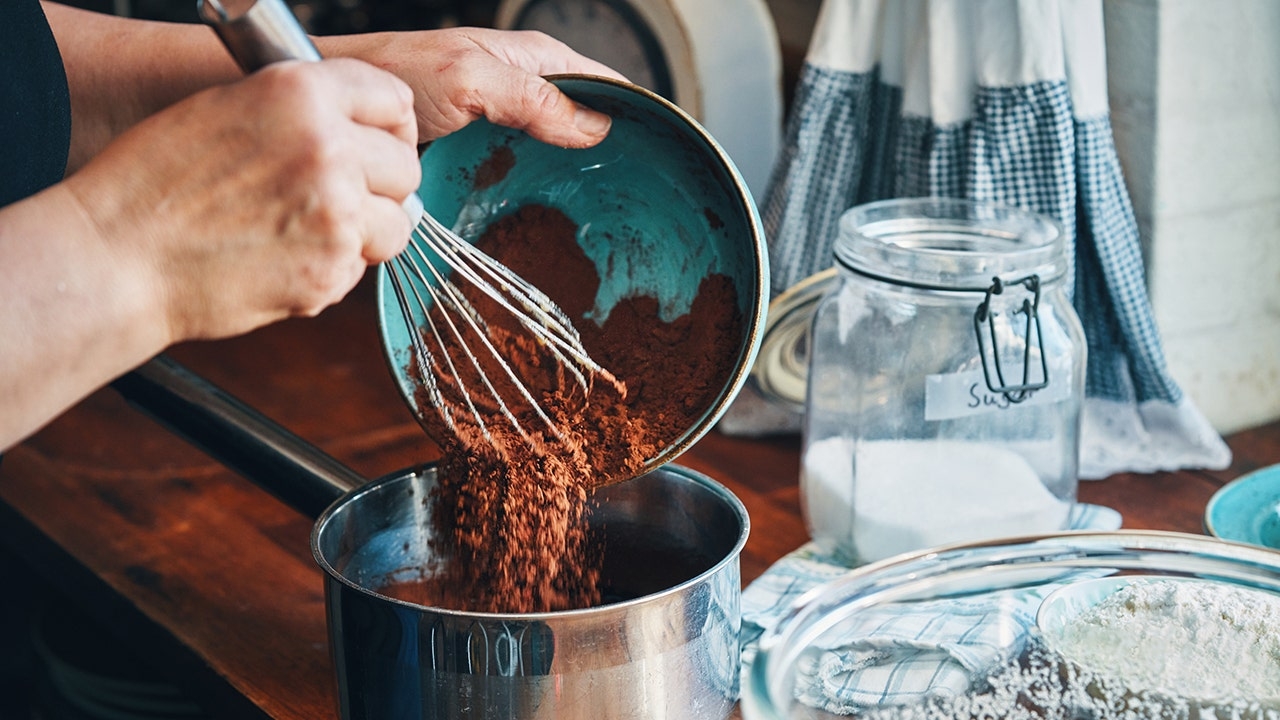
Most nutritionists and dietitians agree that it's OK to indulge in off-diet foods occasionally. But is it better to make these indulgent foods at home rather than buy boxed or factory-processed options? This includes everything from making fresh pasta at home with just flour and egg — cutting out any unwanted ingredients — to baking a cake from scratch instead of using a boxed cake mix. Bryan Hitchcock, chief science and technology officer at the Chicago-based Institute of Food Technologists (IFT), shared thoughts in an interview with Fox News Digital. "While food companies have brought forward food solutions that meet the demands of modern life – whether that's a pasta sauce that's ready to eat or a bread that doesn't mold – there is a growing push around home-cooked being healthier," he said. For those who have the ability to cook from scratch at home, Hitchcock stressed understanding how to create and consume foods that are low in sodium, added sugar and unhealthy fats while "delivering on taste" and ensuring food safety. "This can be a challenge, which is why consumers need clear, concise, scientifically-based information to make informed decisions," he said. Both at-home and manufactured foods can contribute to a healthy lifestyle, he said. This is supported by recent research that has found homemade foods are not "nutritionally better or safer" than industrially produced food items. The 2024 study, published in the journal Food Science, compared nutritional values and harmful compounds in processed and homemade food items like fish sticks, tomato sauce, plum cake and cereal bars, using similar recipes without ingredients and technologies not available at home. The findings suggested that homemade foods "do not necessarily offer superior nutritional quality or lower levels of harmful compounds" in comparison. For more Lifestyle articles, visit Hitchcock said food processing is "merely a larger-scale version of the tools and techniques that consumers use at home, such as cutting, cooking, washing, frying and grilling, except factory or industrial processing allows for much tighter control of temperature to reduce harmful chemicals and prevent the loss of nutrients." He added, "And it offers more stringent hygiene in the storage of ingredients, processing and packaging." But at-home food preparation also allows consumers to control their own food experience in terms of ingredient quality, selection and food prep, Hitchcock noted. "It is critical for consumers to monitor the key nutritional parameters of the food they consume, whether it's prepared at home or outside the home," he said. Michelle Patidar, a health nutrition coach and cancer recovery specialist in Chicago, supported the idea of making food at home with whole ingredients. "The more we can pull away from packaged or ultra-processed foods, the better our health can be," she told Fox News Digital. Patidar reminded consumers they have healthy alternatives at their "fingertips." "And you can feel good about eating real whole foods that aren't contaminated and don't have gums and emulsifiers and food dyes in them, because we want to avoid that as much as possible," she said.
