


Latest news with #Janmashtami.


Hindustan Times
 5 days ago
- General
- Hindustan Times
Krishna Janmashtami 2025: Here's why the festival is celebrated over 2 days
Janmashtami 2025: Krishna Janmashtami is celebrated by devotees with great pomp and fervour, marking the birth anniversary of Lord Krishna, the eighth avatar of Lord Vishnu. This festival is observed in the Ashtami Tithi of the Krishna Paksha in the month of Bhadrapada. Janmashtami is celebrated across India, with devotees fasting to seek blessings and participating in Dahi Handi events. As per Drik Pachang, this year it will be the 5252nd birth anniversary of Lord Krishna. In 2025, the festival will be observed over two days. Janmashtami is celebrated on 15 and 16 August.(Shutterstock) ALSO READ: Krishna Janmashtami 2025: From chia seeds to jaggery, here's how you can give your Janmashtami prasad a healthy twist When is Krishna Janmashtami? Devotees worship Lord Gopal, the child form of Krishna, on Janmashtami.(Unsplash) This year, according to Drik Panchang, the auspicious festival will be celebrated over two days: August 15 and 16. The Ashtami Tithi begins at 11:49 PM on August 15, 2025, and ends at 9:34 PM on August 16, 2025. Why is Janmashtami being celebrated over two days? In 2025, Janmashtami spans over two days, beginning from the nightfall of August 15 itself, as per the Ashtami Tithi timings. Some devotees strictly adhere to the timings, while others wait for the alignment of Rohini Nakshatra, the star under which Lord Krishna was born. It depends on which factor is given priority: the tithi or nakshatra. Some strict followers of the timings begin observing Janmashtami rituals on August 15 itself, even if it's just minutes away from the next day, making it a two-day celebration. What are the rituals of Janmashtami? There are many rituals that devotees perform on Janmashtami. These include observing a day-long fast; some even follow the Nirjala fast (a no-water fast), while others eat fruit only. Devotees also decorate their homes with flowers and lamps. Special aartis and pujas are performed in temples, which devotees attend. Devotees offer prasad to Lord Krishna as well, after puja. In Maharashtra, especially, people form pyramids to break pots of curd hung above the ground, celebrating Lord Krishna's love for butter and his mischievous antics as a child. Many devotional songs and kirtans are also sung on this day.
Hindustan Times
7 days ago
- Health
- Hindustan Times
Janmashtami vrat: Dietician shares how to observe Janmashtami 2025 fast in a way that is safe and actually good for you
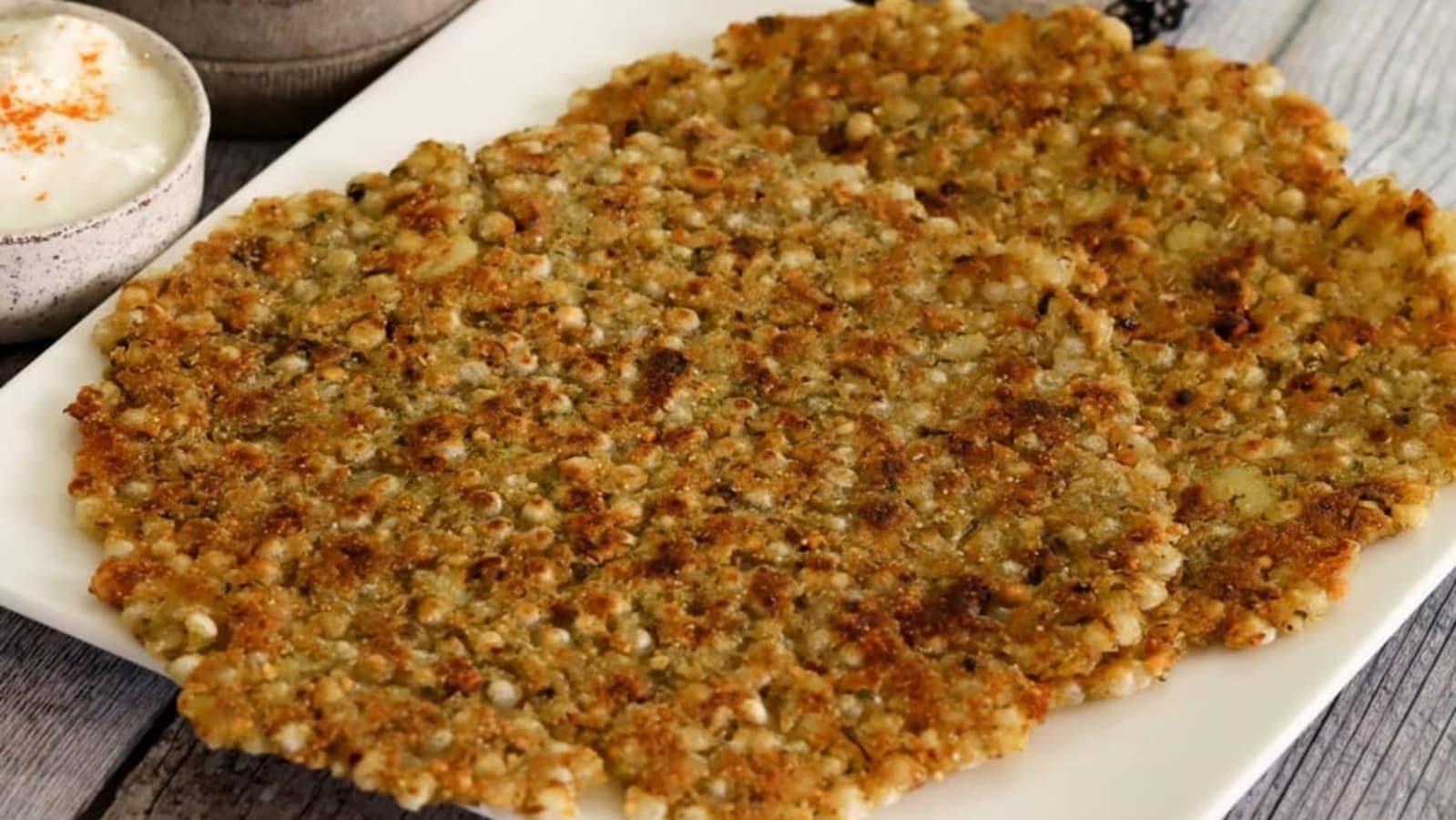
Janmashtami 2025 falls on August 16, and devotees will observe a fast to commemorate the birth of Lord Krishna. Janmashtami vrat or fast, like other forms of religious fasting, can have various effects on the body. By taking necessary precautions, you can make informed decisions about incorporating Janmashtami fasting into your Janmashtami 2025 celebrations. Also read | Janmashtami 2025: Top 8 stunning Laddu Gopal costumes for your Krishna idol at home Janmashtami 2025: Sabudana, or tapioca pearls, is a popular ingredient used during fasting periods in India, including Janmashtami.(Madhura's Recipe) In an interview with HT Lifestyle, Simrat Kathuria, a celebrity dietician and nutritionist, shared tips on how to get enough nutrients during Janmashtami 2025 to support your overall health and well-being. 'Best vrat is the 1 that nourishes both soul and body' She said, 'During Janmashtami, prior to contemporary times, devotees would avoid grains and pulses and sometimes even water and focus on fruit, milk products, and satvic preparations. However, the current, fast-paced environment – where nutrient requirements and health goals vary widely – does not support a one-size-fits-all approach to vrat.' She added, 'Contemporary vrat need not be a battleground between the traditional and the nutritional. With mindful scrutiny of ingredients and listening to cues from the body, a person can experience the spiritual fulfilment of Janmashtami while keeping energy and health intact. In the end, the best vrat is the one that nourishes both your soul and your body.' Fruit and dairy-based fast for Janmashtami is best for people with good blood sugar control and some physical activity.(Shutterstock) Choosing the right fasting style for you Simrat said, 'Historically, vrat was not just religious or spiritual -- it was thought to rest the digestive system, promote mindful eating, and enhance self-control. Today, it can still provide these benefits when food choices are made carefully to ensure that nutrient depletion does not occur and there is no extreme dip in energy.' According to her, not all fasting styles are suitable for everyone, and your health level, activity level, and goals should dictate the kind of fast suitable for you. She explained: ⦿ Fruit and dairy-based fast for Janmashtami Simrat said, 'The fast is best for people with good blood sugar control and some physical activity. Bananas, apples, papayas, dates, milk, curd, and paneer fall into this category.' ⦿ Nut and seed fast for Janmashtami She added, 'These provide sustained energy during day-to-day work. Almonds, Walnuts, Makhana (fox nuts), and chia seeds supply good fats and proteins.' ⦿ Vrat-friendly grains for Janmashtami 'Samak rice (barnyard millet), rajgira (amaranth), and singhara atta (water chestnut flour) may be used to prepare rotis, pancakes, or porridges, which are proper meal ingredients for a vrat,' Simrat said. When eating, pick slow-digesting, nutrient-laden vrat foods such as samak ke chawal (barnyard millet), rajgira (amaranth), singhare ka atta (water chestnut flour), and sabudana. (Freepik) Smart choice for sustained energy Simrat shared, 'In the morning, have hydrating drinks such as coconut water, lemon water, or infused water, instead of just tea or coffee, to maintain the electrolyte balance. When eating, pick slow-digesting, nutrient-laden vrat foods such as samak ke chawal (barnyard millet), rajgira (amaranth), singhare ka atta (water chestnut flour), and sabudana. These should be coupled with a good protein source so that no energy crash follows through the day, or even paneer, curd or nuts, to keep hunger at bay.' Balance and not binge Many people choose heavy, fried foods to break the fast, which can lead to indigestion, bloating, and tiredness. Instead, according to Simrat, a light first meal is the best choice — sabudana khichdi with some vegetables, a bowl of curd, and some fruit — balanced enough to keep blood sugar levels even and hold off a binge. Informed approach to festive treats Sweets are part of the celebrations. However, Simrat said healthier options will serve well — use jaggery or dates instead of refined sugar and instead of deep frying, try roasting or baking. 'Keep track of portions: after all, vrat is as much about discipline as it is about devotion,' she added. Balancing tradition with nutrition Lighter fried vrat snacks, such as sabudana vadas or heavy desserts, may cause post-fasting lethargy. Instead, Simrat said, prefer roasting or steaming. Herbs such as mint, coriander, and cumin aid digestion and prevent wind. Drinking something is important — this should essentially be coconut water, lemon water with rock salt, or herbal teas that help balance electrolytes," she added. break your fast gently with hydrating fluids, followed by a balancing meal. Remember, vrat is meant to give the body a break — not overload it at the end.(Shutterstock) Blood sugar management during fasts According to Simrat, patients with blood sugar disorders usually do not maintain normal blood sugar even during short fasting periods: 'Foods higher in carbohydrate content, such as sabudana and fruits, can be paired with curd, paneer, or nuts to slow down glucose release. Also, smaller, frequent meals can help the fasting person avoid energy crashes.' Mindfulness and portion control Simrat said, 'Once the fast is broken, the festive spirit pulls us toward overindulgence. Instead, break your fast gently with hydrating fluids, followed by a balancing meal. Remember, vrat is meant to give the body a break — not overload it at the end.' Sample modern-day vrat plate ⦿ Breakfast: coconut water + a handful of soaked almonds + papaya slices ⦿ Morning snack: roasted makhana tossed in rock salt and pepper ⦿ Lunch: samak rice khichdi with vegetables + cucumber raita ⦿ Evening: Herbal tea + date and walnut energy ball ⦿ Dinner: rajgira roti with paneer and mint chutney + warm milk with saffron The emotional and spiritual connection She added, 'Apart from the physical benefits, fasting on Janmashtami offers an opportunity to pause, think, and feel grateful. When we prepare some plain and wholesome food for the fast, we are connected to the very spirit of this festival: purity, balance, and devotion.' Note to readers: This article is for informational purposes only and not a substitute for professional medical advice. Always seek the advice of your doctor with any questions about a medical condition.
