


Latest news with #KarinDubsky

RTÉ News
 04-07-2025
- Climate
- RTÉ News
Call for guidelines on climate change and coastal erosion
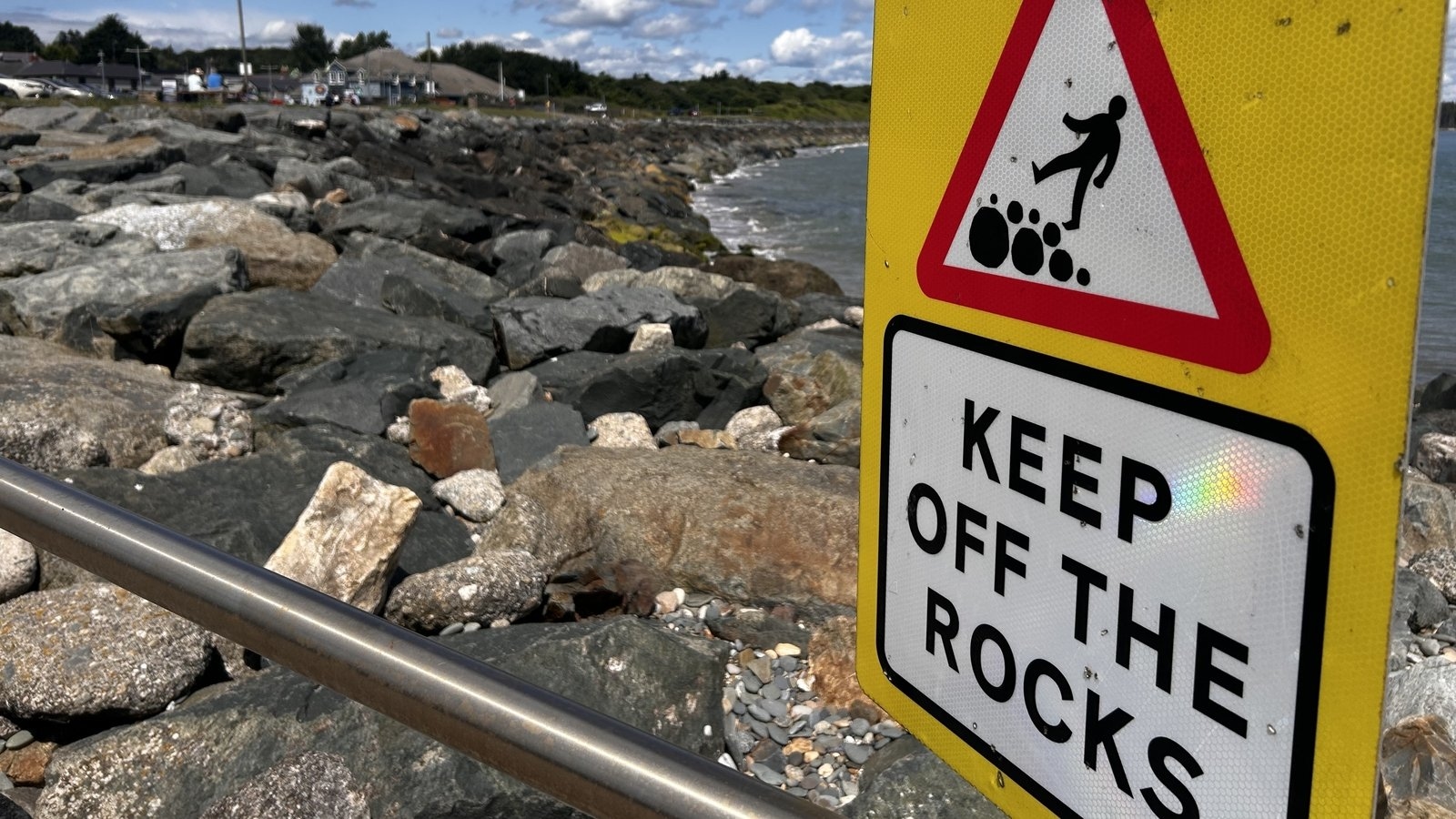
There have been renewed calls for the Government to draw up national guidelines on how to best manage the effects of climate change on our coasts. It comes as a debate continues in one of the most vulnerable beach villages as to how best protect its shoreline against erosion. For the beach alone it was the place to be - Courtown, Co Wexford. But that that golden stretch, so popular in the decades leading up to the 1980s, is now long gone, with rock armour now piled high where the sand once was. Visitors still come, but not as many. "It's absolutely decimated the place, it was the number one draw. We had an award winning Blue Flag beach, and we don't anymore," said Linda Sinnott from the Courtown Community Council. "The decline really started around the 80s in terms of coastal erosion. It kind of crept up, I don't think people realized what was happening," she said. "It kicked off with storm Charlie (in 1986), and that's when these really intense winter storms started to hit. "I think they realised that we're going to have to do something to save the beach, because we were losing it year on year." The rock armour was put in to try to halt the erosion, and there was a strip of beach left, but that was slowly lost too. It is estimated that in the last 40 years, 24 linear acres of the Courtown coastline have been eroded, equivalent to the size of around 18 soccer pitches. With the rocks now dotting a sizable stretch of the coastline, some now are wondering just how effective they have been. Coastal ecologist and director of Coastwatch Ireland Karin Dubsky lives in the area. "We have climate change. So realistically, we will be losing a lot of our shores, and we have to make a wise choice of where we invest, because for the taxpayer, that is millions." She argues while rocks are needed in places where there are risks to people and property, she questions their use elsewhere, and in particular where sand dunes offer natural protection. Standing at the beach at Kiltennell, she said: "About 25 metres of dune have eroded here since they put in the rock armour. It tells us that the rock armour didn't work, and it normally doesn't work to put rock armour on a dune. "The impact in Courtown is that you now have millions of euros worth of rocks sitting where a dune could be and where people could be on beaches. "I know that people might argue, 'but you would have had even more erosion'. "Perhaps at times you would have had more erosion, but you would have a natural system trying to adjust itself." In a statement, Wexford County Council said it continues to monitor the stretch of coastline at Kiltennell and said it is liaising with stakeholders. It also pointed to a wider development project in the works. Karin Dubksy is now calling for a wider debate on the issue, on just how best to manage the challenges of climate change to our coastlines. "Ireland has over 7,500 kilometres of coast," she said. "We can't afford to make the whole country look like a hedgehog. Yes, you have to protect your cities and your absolute essential infrastructure. "Is it wise to protect a dune which would adjust itself? I would maintain it isn't, but we don't have a national erosion management policy where you could feed things into." Coastwatch Ireland is also renewing its call for that national strategy to be drawn up. The Government has said that work on it is ongoing and it's continuing to advance it. A five-minute drive away, for the residents living near the edge, the rocks are a welcome feature. The receding coastline is a significant worry for them, so much so that they have pooled their money to lay their own rock armour. Mona Sheehan's home is perched high, overlooking the sea. "It's a beautiful place to live, you could be in any country in Europe. It would be much nicer if we'd more protection," she said. "There is that concern that over time, the sea will eventually come in further and would mean that we'd have to move I suspect. "I'm not quite sure what protection would be offered to us as regards our homes, but in time, if the sea does come in, we'd have no choice but to move." Despite the challenges, Linda Sinnott is optimistic about the future of the village, which she said "has been hit very hard by coastal erosion". She pointed to recently installed trail walks, and said there are other regeneration plans currently being formulated. "It's an exciting have discussed different ideas and projects, and now we're at the point where these ideas will come to fruition...I think there's good days to come," she said.

Irish Examiner
20-05-2025
- Entertainment
- Irish Examiner
Tots to Teens: Life's a beach with Cork seashore tour
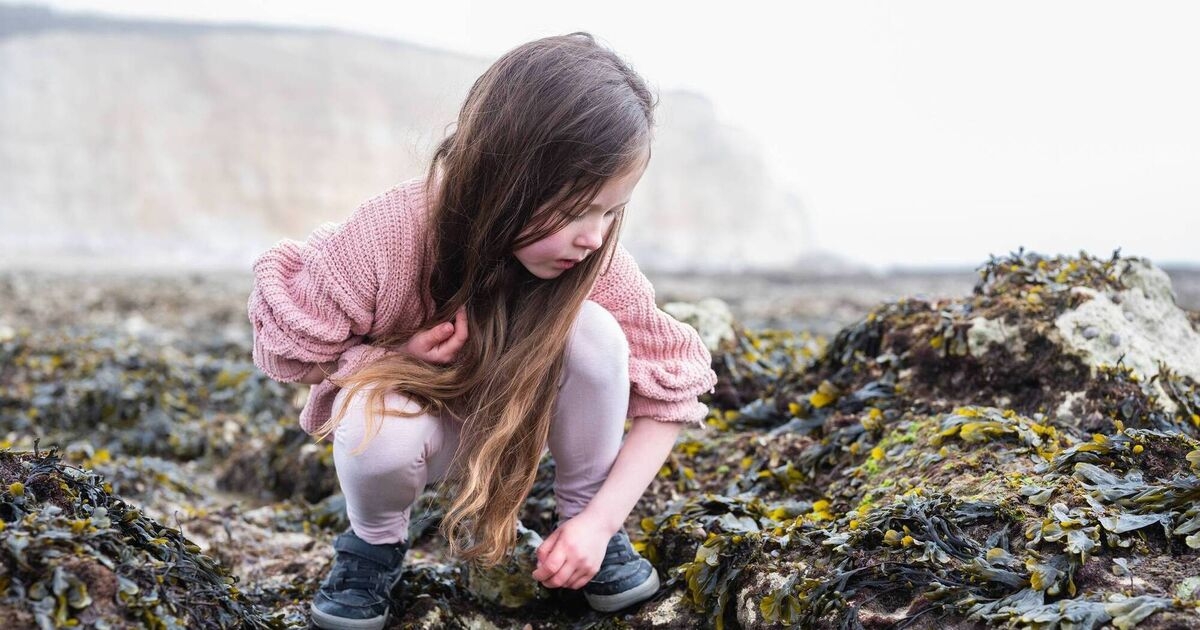
It's National Biodiversity Week, and events are taking place all across the country to encourage families to explore our rich variety of wildlife. One of these events will take place on Fountainstown beach in Cork, from 9.30am to 11.30am this Saturday, May 24. Organised by the Environmental Forum, in partnership with Coastwatch and the Irish Wildlife Trust, it will be led by three marine ecologists. Karin Dubsky of Coastwatch will demonstrate water testing and bioindicator monitoring. Grace Carr, of the Irish Wildlife Trust, will talk about the rays and sharks that inhabit Irish waters and how well-managed marine protected areas help them. And Bernie Connolly, from the Environmental Forum, will explain how intertidal areas and rockpools impact species and ecosystems. This event is free and suitable for nature lovers of all ages. Book your spot at See for other events near you. Adventure story Tom Cream: Irish Antarctic Hero (O'Brien Books) €14.99 For readers aged eight and up, Tom Cream: Irish Antarctic Hero is a thrilling story about his adventures on the high seas. This graphic novel follows a poor West Kerry farmer, who runs away from home in 1893 and ends up playing a major role in three pioneering South Pole expeditions. With words by author Michael Smith, illustrations by artist David Butler, and lettering by Louise McSharry, it's a gripping story of hardships, hazards, and incredible bravery in the frozen wilderness. * Tom Cream: Irish Antarctic Hero (O'Brien Books) €14.99 GAA skills Little Puckers is an award-winning children's playgroup for aspiring GAA stars. It holds Gaelic games-themed play sessions for children aged 18 months to five years in locations nationwide. These sessions focus on the fundamental skills needed for Gaelic football and hurling. The aim is for little ones to have fun, while being introduced to our traditional sports. Prices vary, but cost approximately €10 per session. Budding gardener BeoVERDE is a family-run business in southwest Dublin that sells sustainable, high-quality toys, books, and organic children's clothing Get your children involved in gardening this summer with this tool set. It's from BeoVERDE, a family-run business in southwest Dublin that sells sustainable, high-quality toys, books, and organic children's clothing. The tool set is made of robust wood and metal and includes a hand fork, rake, and trowel — in short, everything a budding gardener needs. It's suitable for children aged three and older and costs €8, from The sensitive child Up to 30% of children are considered highly sensitive. This means they experience the world more intensely than others, which makes them more prone to anxiety, meltdowns, and other overwhelming feelings. Chartered counselling psychologist Dr Aoife Durcan has written a book to help parents better understand their sensitive children, respond to their emotions in a supportive way, and help them thrive in a world that can often be stressful and challenging to navigate. Your Highly Sensitive Child – Helping Your Child Flourish in an Overwhelming World , by Dr Aoife Durcan, €18.99 Motherhood podcast Keelin Moncrieff. Picture: Moya Nolan Mother, a podcast brought to us by the team at and hosted by Keelin Moncrieff, explores motherhood and the impact becoming a mother can have on a woman's work, friends, body image, relationships, and sense of self. Since its launch last summer, Keelin Moncrieff has interviewed well-known Irish mammies such as Louise McSharry, Melanie Murphy, and Emma Doran, as well as ones who don't have a public profile, but who do interesting work in areas such as fitness, fashion, sexual education, and fertility. You'll find three seasons of Mother available to download on Spotify and Apple Podcasts Read More Why you should think twice before posting photos and videos of kids on social media


Irish Times
09-05-2025
- Science
- Irish Times
Shellfish dredging wiping out key carbon-catching seagrass meadows, Coastwatch warns
Dredging for shellfish in some of Ireland's most sensitive marine areas is wiping out seagrass meadows that play a critical role in capturing vast amounts of carbon and in enriching biodiversity , according to Coastwatch . Following the environmental group's discovery this week of the latest evidence of seagrass destruction, at Elly Bay in Co Mayo, it has called on the Government to ensure 'no more bottom dredging in protected sites with sensitive features'. This was necessary 'so seagrass can do its carbon-capture job' and ensure biodiversity-rich areas are preserved in places under the umbrella of marine protected areas (MPAs), said Coastwatch director Karin Dubsky. This was needed 'to address both biodiversity and climate change crises'. Decline of seagrass underlined the need to switch to 'managed, licensed shellfish diving and gathering, with licences reserved for traditional scallop and native oyster fishermen', she said. The fishers' local knowledge and stock-protection traditions, combined with the right diving skills and scientific knowledge was the way effective MPA management could work. READ MORE Last Sunday, Coastwatch regional co-ordinator Sam Moran assessed seagrass ( Zostera marina ) meadows in Elly Bay, part of a special area of conservation (SAC) known as the Mullet/Blacksod Bay Complex. He free dived with a simple underwater camera and recorded healthy but thin seagrass with spiny crabs and other sea life, Ms Dubsky said, but also 'the odd reef hump teeming with life, interrupted by large areas of recently ripped up sea floor with empty shells. He even found a lost dredge with the damaged seabed running up to it'. This was the latest evidence of extensive damage by dredging in important marine ecosystems around the Irish coast, she added. [ Deposit return scheme leads to 'massive reduction' in plastic bottles and drinks containers found on shores by Coastwatch Opens in new window ] 'This is in one of our prime, internationally protected sites, which also hosts seagrass, the most valuable carbon store and fish nursery area. Yet we see boats licensed to dredge here. Licensed damage has to stop. We call on Government to halt dredging in and around seagrass, foster site restoration and management with local, traditional knowledge,' she said. Mr Moran said he believed the area could recover if dredging were halted. 'Looking at the ground and shelter here, there is huge potential for seagrass meadows to expand. This would provide a return in more shellfish, fish and other sea life which needs healthy seagrass meadows to flourish,' Mr Moran added. He said he was shocked this practice was going on in such an important ecological area, and by the dredge abandoned on the seabed. Spider crab in a depleted seagrass meadow in Elly Bay off Belmullet in Co Mayo. Photograph: Sam Moran Coastwatch Ms Dubsky said a Government decision to stop dredging in MPAs would be an apt 99th birthday present for environmentalist and film-maker David Attenborough, coinciding with the release of his new documentary Ocean. Separate to the film displaying 'the awe of the beauty and complexity of our underwater world', she said it conveyed 'sadness and frustration as more and more of our seas are being damaged by ever-growing variety and intensity of human activities'. While it brought some hope of turning things around before it's too late, she said the same pressures were evident on Irish seas. 'You can see both beauty and damage yourself right here in Ireland,' she added. The dredges used in Elly Bay 'aren't huge like those shown in David Attenborough's Ocean film, but we see how they can still do the seagrass damage – think of sensitive parts of your body where a poke can do real damage, while others might just get bruised and be grand'. 'Adequate monitoring and enforcement, as well as a publicity campaign to highlight this transformative change, would bring more ecotourism and a top price for shellfish selected for size right there at the seafloor,' she added. Inland Fisheries Ireland is responsible for issuing oyster dredge licences, while enforcement comes under the National Parks & Wildlife Service (NPWS). The NPWS was asked to comment on concerns raised by Coastwtch.
