


Latest news with #MikalMahdi


The Independent
 11-06-2025
- The Independent
Lawyers for a South Carolina inmate ask a court to stop his execution
Lawyers for a South Carolina death row inmate will be in federal court Wednesday trying to convince a judge that the state is not properly carrying out lethal injections or firing squad executions, an argument meant to spare the prisoner just two days before he's scheduled to die. Stephen Stanko's attorneys said the two doses of lethal injection drugs used in the past three executions by that method show those subjected to the procedure have died a lingering death, still conscious as they felt like they were drowning when fluid rushed into their lungs. Stanko changed his mind and decided to die by lethal injection because of accounts about the last firing squad death. In that April execution, the volunteer shooters nearly missed Mikal Mahdi's heart, meaning the man convicted of killing an off-duty police officer took three to four times as long to die as he was supposed to, Stanko's lawyers said in court papers. One expert hired by Stanko's attorneys said the evidence suggests the firing squad may have aimed slightly below the target or the target was not placed on Mahdi's heart to 'cause great pain before his death,' according to court papers filed last week. South Carolina says there's no reason to stop the execution Lawyers for the state vigorously denied the claims. They point out that the South Carolina Supreme Court rejected a similar last-ditch appeal on May 28. They said every execution is different and that lawyers representing incarcerated people have not proven any condemned prisoner suffered gratuitous pain. 'So (perhaps) it's not the method that's the issue — instead, these inmates just don't want to have their sentences carried out and are willing to make any argument that they can,' wrote Grayson Lambert, a lawyer for South Carolina Gov. Henry McMaster. Lawyers for the state will ask federal Judge Richard Gergel on Wednesday to dismiss the claims. Stanko's crime was killing his friend Henry Turner Stanko would be the sixth inmate executed in South Carolina in nine months. There were originally four executions scheduled around the country this week, one in South Carolina and one each in Florida and Alabama. On Monday, an Oklahoma judge granted a temporary stay to a man scheduled to be put to death Thursday. Stanko, 57, is slated to die at 6 p.m. Friday at a Columbia prison for killing his 74-year-old friend, Henry Turner. Stanko went to Turner's Horry County home in April 2006 after lying about his father dying. Hours before killing Turner, Stanko beat and strangled his girlfriend in her Georgetown County home and raped her daughter before slashing the teen's throat. The daughter survived and testified against him at one of his trials. Stanko was also sentenced to death in that case. Lawyers say executions aren't done properly Stanko's lawyers, in their 49-page brief, include a number of ways their experts think South Carolina is improperly carrying out executions. They include using bullets in the firing squad that aren't powerful enough to guarantee the heart will be destroyed, failing to properly oversee how an IV line is placed for lethal injections and improper storage of the powerful sedative pentobarbital, which is used to kill inmates. The lawyers said the state is using two doses of pentobarbital in executions because — while inmates might be paralyzed by the drug — they remain conscious enough to feel like they are drowning and take longer than 10 minutes to die. Attorneys for the state said witnesses to the executions have not reported any signs of distress and said the inmates appeared to stop breathing within a minute or two. The most serious accusations in Stanko's lawsuit come from Dr. Jonathan Groner, an expert in lethal injection and other capital punishments and a surgeon who teaches at Ohio State University. 'I am concerned that some element of those responsible for carrying out Mr. Mahdi's execution intended not to hit his target and to cause great pain before his death,' Groner wrote. South Carolina says nothing went wrong State Correction Department officials deny anything went wrong in Mahdi's execution. Agency leaders have signed sworn statements saying that all three guns fired and no bullets or fragments were found in the death chamber after Mahdi's lawyers suggested one shot missed entirely. 'How bullets react once they strike the body is something that neither SCDC nor the members of the firing squad can control. That one condemned inmate dies more quickly than another does not necessarily mean that something went awry in one execution,' the state said. Complicating any investigation into Madhi's death is an inadequate autopsy. It did not include X-rays to allow the results to be independently verified. Only one photo was taken of Mahdi's body and there were no close-ups of the wounds. The inmate's clothing was not examined to determine where the target was placed or how it aligned with the damage the bullets caused, according to forensic pathologist Terri Haddix of California, one of the defense experts. Stanko's lawyers want to pause his execution to take a closer look at Mahdi's death and require the three firing squad members to take a sworn oath they will 'shoot at the target in good faith.'

Associated Press
11-06-2025
- Associated Press
Lawyers for a South Carolina inmate ask a court to stop his execution
Lawyers for a South Carolina death row inmate will be in federal court Wednesday trying to convince a judge that the state is not properly carrying out lethal injections or firing squad executions, an argument meant to spare the prisoner just two days before he's scheduled to die. Stephen Stanko's attorneys said the two doses of lethal injection drugs used in the past three executions by that method show those subjected to the procedure have died a lingering death, still conscious as they felt like they were drowning when fluid rushed into their lungs. Stanko changed his mind and decided to die by lethal injection because of accounts about the last firing squad death. In that April execution, the volunteer shooters nearly missed Mikal Mahdi's heart, meaning the man convicted of killing an off-duty police officer took three to four times as long to die as he was supposed to, Stanko's lawyers said in court papers. One expert hired by Stanko's attorneys said the evidence suggests the firing squad may have aimed slightly below the target or the target was not placed on Mahdi's heart to 'cause great pain before his death,' according to court papers filed last week. South Carolina says there's no reason to stop the execution Lawyers for the state vigorously denied the claims. They point out that the South Carolina Supreme Court rejected a similar last-ditch appeal on May 28. They said every execution is different and that lawyers representing incarcerated people have not proven any condemned prisoner suffered gratuitous pain. 'So (perhaps) it's not the method that's the issue — instead, these inmates just don't want to have their sentences carried out and are willing to make any argument that they can,' wrote Grayson Lambert, a lawyer for South Carolina Gov. Henry McMaster. Lawyers for the state will ask federal Judge Richard Gergel on Wednesday to dismiss the claims. Stanko's crime was killing his friend Henry Turner Stanko would be the sixth inmate executed in South Carolina in nine months. There were originally four executions scheduled around the country this week, one in South Carolina and one each in Florida and Alabama. On Monday, an Oklahoma judge granted a temporary stay to a man scheduled to be put to death Thursday. Stanko, 57, is slated to die at 6 p.m. Friday at a Columbia prison for killing his 74-year-old friend, Henry Turner. Stanko went to Turner's Horry County home in April 2006 after lying about his father dying. Hours before killing Turner, Stanko beat and strangled his girlfriend in her Georgetown County home and raped her daughter before slashing the teen's throat. The daughter survived and testified against him at one of his trials. Stanko was also sentenced to death in that case. Lawyers say executions aren't done properly Stanko's lawyers, in their 49-page brief, include a number of ways their experts think South Carolina is improperly carrying out executions. They include using bullets in the firing squad that aren't powerful enough to guarantee the heart will be destroyed, failing to properly oversee how an IV line is placed for lethal injections and improper storage of the powerful sedative pentobarbital, which is used to kill inmates. The lawyers said the state is using two doses of pentobarbital in executions because — while inmates might be paralyzed by the drug — they remain conscious enough to feel like they are drowning and take longer than 10 minutes to die. Attorneys for the state said witnesses to the executions have not reported any signs of distress and said the inmates appeared to stop breathing within a minute or two. The most serious accusations in Stanko's lawsuit come from Dr. Jonathan Groner, an expert in lethal injection and other capital punishments and a surgeon who teaches at Ohio State University. 'I am concerned that some element of those responsible for carrying out Mr. Mahdi's execution intended not to hit his target and to cause great pain before his death,' Groner wrote. South Carolina says nothing went wrong State Correction Department officials deny anything went wrong in Mahdi's execution. Agency leaders have signed sworn statements saying that all three guns fired and no bullets or fragments were found in the death chamber after Mahdi's lawyers suggested one shot missed entirely. 'How bullets react once they strike the body is something that neither SCDC nor the members of the firing squad can control. That one condemned inmate dies more quickly than another does not necessarily mean that something went awry in one execution,' the state said. Complicating any investigation into Madhi's death is an inadequate autopsy. It did not include X-rays to allow the results to be independently verified. Only one photo was taken of Mahdi's body and there were no close-ups of the wounds. The inmate's clothing was not examined to determine where the target was placed or how it aligned with the damage the bullets caused, according to forensic pathologist Terri Haddix of California, one of the defense experts. Stanko's lawyers want to pause his execution to take a closer look at Mahdi's death and require the three firing squad members to take a sworn oath they will 'shoot at the target in good faith.'

Fox News
30-05-2025
- General
- Fox News
South Carolina death row inmate chooses lethal injection after firing squad controversy
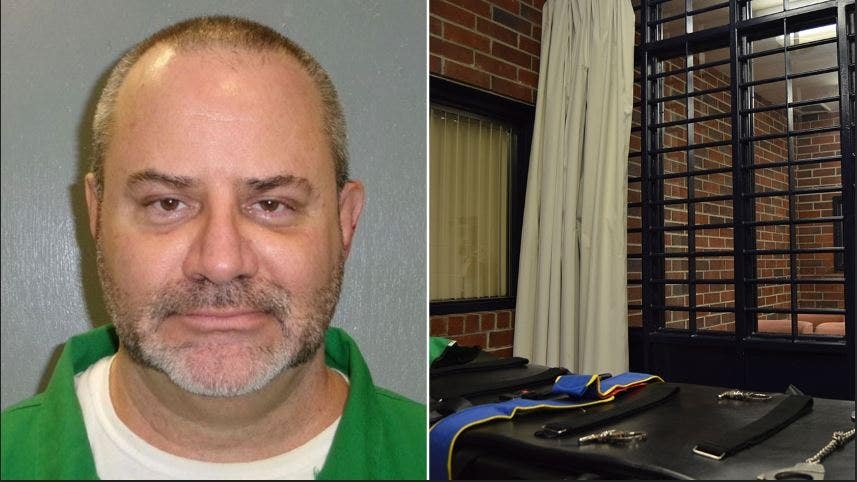
A South Carolina man on death row who had been considering death by firing squad opted Friday for lethal injection instead after another inmate appeared to linger before dying when bullets apparently missed his heart. Stephen Stanko's attorneys told him that lethal injection would feel like drowning when a lethal dose of pentobarbital is injected into the inmate's veins and there's a rush of fluid into the lungs. Medical experts hired by the state have said the drugs render an inmate unconscious before the inmate feels any pain, but experts hired by inmates have said the rush of fluid can feel like drowning. The U.S. Supreme Court denied a delay to his June 13 execution Wednesday that was requested so he could learn more about his options. In addition to lethal injection and firing squad, the convicted double murderer could have also chosen the electric chair. An autopsy on Mikal Mahdi, the killer of an off-duty police officer executed by firing squad in April, showed the inmate may have been in excruciating pain for up to a minute, much longer than the expected 15 seconds to lose consciousness, after all the bullets missed his heart, his lawyers said, calling it "botched." Stanko had been sentenced to death twice for two separate murders. In April 2006, Stanko, 57, beat and strangled girlfriend Laura Ling to death and raped her teenage daughter and slit her throat. The daughter survived and testified against him at his trial. Hours after the murder, he went to his 74-year-old friend Henry Turner's home, shot him to death and stole his truck. South Carolina resumed executions in September after a 13-year break after it ran out of lethal injection drugs and pharmacies refused to provide more unless a new secrecy law protected their privacy.
The Independent
30-05-2025
- Health
- The Independent
South Carolina inmate chooses to die by lethal injection amid concerns about firing squad
South Carolina death row inmate Stephen Stanko on Friday chose to die by lethal injection after his lawyers said he was troubled by what appeared to be a lingering death of the last person in the state who was killed by a firing squad. Stanko, who set to die June 13, had a choice among firing squad, lethal injection or the electric chair. His lawyers said in previous court filings he didn't want to suffer what he thought was cooking from thousands of volts of electricity. Firing squad questions They said he was leaning toward the firing squad before questions surfaced about whether Mikal Mahdi suffered agonizing pain for about 45 seconds — three times longer than expected — at his April 11 execution after the firing squad nearly missed his heart. In reviewing autopsy reports, attorneys told him the state's lethal injection protocols appear to send a rush of fluid into the lungs that feels like drowning when a lethal dose of pentobarbital is put into the inmate's veins. Stanko's lawyers had asked the South Carolina Supreme Court to delay his execution so they could get more information about the firing squad or further investigate any potential problems, but the justices refused their request Wednesday. South Carolina's multiple executions Stanko, 57, has been sentenced to death twice in the state for two separate murders — the killing of a friend and the killing of his girlfriend as he raped her daughter. South Carolina restarted executions in September after obtaining pentobarbital used in lethal injections thanks to a new secrecy law. The state didn't execute a prisoner from 2011 to 2024 after its supply of lethal injection drugs expired and pharmacies refused to sell them more unless their identities could be kept secret. The crimes Stanko is being executed for killing his 74-year-old friend Henry Turner. Stanko went to Turner's home in April 2006 after lying about his father dying, and shot Turner twice while using a pillow as a silencer, authorities said. Stanko stole Turner's truck, cleaned out his bank account and spent the next few days in Augusta, Georgia, where he told people in town for the Masters golf tournament that he owned several Hooters restaurants. He stayed with a woman who took him to church. She called police once after seeing his photo and learning that he was wanted, police said. Hours before killing Turner, Stanko beat and strangled his girlfriend in her home and raped her daughter before slashing the teen's throat. The daughter survived and testified against him at one of his trials. How the lethal injection will happen During Stanko's execution, he will be strapped to a gurney with his arm outstretched. Medical workers will place an IV in his arm before the curtain is opened to the witness room. His lawyer can read a final statement and then the execution will start with no announcement. It has typically taken about 20 minutes before a doctor comes in, checks the inmate and declares him dead. Autopsies done on two of the three previous inmates killed by lethal injection in South Carolina in the past year have shown their lungs filled with massive amounts of fluid. Experts said that is what usually happens when someone is given a massive dose of pentobarbital. Medical experts hired by the state said the drug knocks the inmate unconscious before they ever feel any other sensation or pain. Witnesses to the executions said inmates don't have any signs of consciousness after about 30 seconds. Other experts hired by lawyers for the inmates said prisoners may still be able to feel and that the rush of fluid is like drowning. One of the three inmates killed by lethal injection last year did not choose to have an autopsy for religious reasons. Two doses of the drug In the three most recent lethal injection deaths, prison officials have given two large doses of the sedative pentobarbital about 10 minutes apart. Most other states and the federal government give just one dose of the drug but have a second on hand if needed. Prison officials have not said why they are giving two doses or whether that is part of their normal procedures, citing a 2023 law that keeps secret the providers of lethal injection drugs, the identities of members of execution teams and the procedures used.
Associated Press
30-05-2025
- Health
- Associated Press
South Carolina inmate chooses to die by lethal injection amid concerns about firing squad
COLUMBIA, S.C. (AP) — South Carolina death row inmate Stephen Stanko on Friday chose to die by lethal injection after his lawyers said he was troubled by what appeared to be a lingering death of the last person in the state who was killed by a firing squad. Stanko, who set to die June 13, had a choice among firing squad, lethal injection or the electric chair. His lawyers said in previous court filings he didn't want to suffer what he thought was cooking from thousands of volts of electricity. Firing squad questions They said he was leaning toward the firing squad before questions surfaced about whether Mikal Mahdi suffered agonizing pain for about 45 seconds — three times longer than expected — at his April 11 execution after the firing squad nearly missed his heart. In reviewing autopsy reports, attorneys told him the state's lethal injection protocols appear to send a rush of fluid into the lungs that feels like drowning when a lethal dose of pentobarbital is put into the inmate's veins. Stanko's lawyers had asked the South Carolina Supreme Court to delay his execution so they could get more information about the firing squad or further investigate any potential problems, but the justices refused their request Wednesday. South Carolina's multiple executions Stanko, 57, has been sentenced to death twice in the state for two separate murders — the killing of a friend and the killing of his girlfriend as he raped her daughter. South Carolina restarted executions in September after obtaining pentobarbital used in lethal injections thanks to a new secrecy law. The state didn't execute a prisoner from 2011 to 2024 after its supply of lethal injection drugs expired and pharmacies refused to sell them more unless their identities could be kept secret. The crimes Stanko is being executed for killing his 74-year-old friend Henry Turner. Stanko went to Turner's home in April 2006 after lying about his father dying, and shot Turner twice while using a pillow as a silencer, authorities said. Stanko stole Turner's truck, cleaned out his bank account and spent the next few days in Augusta, Georgia, where he told people in town for the Masters golf tournament that he owned several Hooters restaurants. He stayed with a woman who took him to church. She called police once after seeing his photo and learning that he was wanted, police said. Hours before killing Turner, Stanko beat and strangled his girlfriend in her home and raped her daughter before slashing the teen's throat. The daughter survived and testified against him at one of his trials. How the lethal injection will happen During Stanko's execution, he will be strapped to a gurney with his arm outstretched. Medical workers will place an IV in his arm before the curtain is opened to the witness room. His lawyer can read a final statement and then the execution will start with no announcement. It has typically taken about 20 minutes before a doctor comes in, checks the inmate and declares him dead. Autopsies done on two of the three previous inmates killed by lethal injection in South Carolina in the past year have shown their lungs filled with massive amounts of fluid. Experts said that is what usually happens when someone is given a massive dose of pentobarbital. Medical experts hired by the state said the drug knocks the inmate unconscious before they ever feel any other sensation or pain. Witnesses to the executions said inmates don't have any signs of consciousness after about 30 seconds. Other experts hired by lawyers for the inmates said prisoners may still be able to feel and that the rush of fluid is like drowning. One of the three inmates killed by lethal injection last year did not choose to have an autopsy for religious reasons. Two doses of the drug In the three most recent lethal injection deaths, prison officials have given two large doses of the sedative pentobarbital about 10 minutes apart. Most other states and the federal government give just one dose of the drug but have a second on hand if needed. Prison officials have not said why they are giving two doses or whether that is part of their normal procedures, citing a 2023 law that keeps secret the providers of lethal injection drugs, the identities of members of execution teams and the procedures used.
