


Latest news with #NehaCadabam


Indian Express
 09-08-2025
- Health
- Indian Express
Bhagyashree suggests humming ‘Om' early morning to clear your chakras: ‘Uska direct positive asar aapke heart aur lungs par padhta hai'
Bhagyashree's social media is a treasure trove for hacks and wellness tips that cover a range of topics – from health and nutrition to fitness and workouts. Recently, she shared the benefits of chanting Om early morning, claiming that it opens up our chakras and regulates the nervous system. According to the actor, 'Jitne lambe arse tak aap Om keh sakte ho, uska direct positive asar aapke heart aur lungs par padhta hai. (Humming Om for as long as you can has a direct and positive effect on your heart and lungs)' Slow breath release improves your heart health, relieves stress, and strengthens vagus nerve functioning – which controls heart, lung, and gut functions. It also awakens your nervous system, she added. A post shared by Bhagyashree (@ Is it true? Neha Cadabam, senior psychologist and executive director at Cadabams Hospitals, told that humming the word 'Om' can influence the autonomic nervous system, promoting relaxation and calming. This happens because it regulates breathing and increases nitric oxide levels, which have been shown to improve blood flow in the body and reduce blood pressure. According to her, humming 'Om' contributes to relaxation by stimulating the vagus nerve, which runs from the brain throughout the body, influencing heart rate, digestion, and mood. In fact, the steady, rhythmic nature of humming can help quiet the mind. 'The vibration from humming helps the body relax, which can be particularly beneficial before sleep as it helps ease the transition into deeper sleep states,' she said. When compared to silent meditation methods, holistic health and wellness coach Isha Lall shared that the vibration of the 'Om' sound has calming effects both physically and mentally, as it is more engaging due to the 'sensory feedback it provides'. However, she warned that 'it cannot replace adequate sleep and rest, and thus should be used as a supplementary tool to improve overall functioning'. In case of experiencing anxiety or chronic cases of nervous system dysregulation, they should seek medical supervision instead of resorting to such temporary techniques.

Indian Express
18-07-2025
- General
- Indian Express
What it means to be a ‘yellow person' and why this emotionally intelligent archetype resonates with Gen Z and Millennials
If colours had personalities, yellow would be the golden retriever of the lot — warm, cheerful, and always bringing a little more light into the room. Symbolising joy, hope, playfulness and optimism, yellow is often associated with sunshine — and when someone embodies all of those feel-good vibes, they're lovingly referred to as a 'yellow person'. The term has found a special place in internet culture, especially among Gen Z and Millennials, who use it to describe someone who radiates positivity and makes you feel safe, seen, and soothed. Think of that one person who makes you believe everything will be okay, who laughs easily, listens without judgement, and whose energy can brighten even the cloudiest day — that's your 'yellow person'. Neha Cadabam, senior psychologist and executive director at Cadabams Hospitals, tells 'When it comes to emotional intelligence, a 'yellow person' is often seen as someone who radiates warmth, optimism, and emotional presence. They tend to uplift others, intuitively sense emotional undercurrents in a room, and often step in to comfort or encourage. Their emotional intelligence is expressed through empathy, active listening, and an almost instinctive ability to make others feel seen and supported.' In relationships, she says, this person often becomes the emotional anchor, someone others turn to during difficult times. While not a clinical term, the phrase 'yellow person' captures the idea of emotional lightness and resilience, coupled with a strong sense of emotional availability. A post shared by Food 🍕 Travel 🧳 Lifestyle 🎭 (@ In today's day and age, where everything is defined by overstimulation, uncertainty, and emotional intensity, especially online, the idea of a 'yellow person' offers a comforting contrast, says Cadabam. 'Gen Z and Millennials, who are deeply immersed in digital spaces and exposed to global anxieties in real-time, often seek authentic connections and emotional safety.' The 'yellow person' archetype represents emotional consistency and hope, she notes, a person who remains steady, kind, and emotionally generous in a world that often feels chaotic. 'It aligns with the generational value of emotional transparency, where kindness and vulnerability are no longer seen as weaknesses but as strengths. It's a concept that feels both comforting and aspirational in today's context.' Yes, absolutely. The emotional labour that often accompanies being the 'go-to' person for others can sometimes be invisible, yet very real. Constantly being the emotional caretaker can lead to compassion fatigue or even quiet burnout, especially if their own needs are routinely sidelined. It's essential for 'yellow people' to remind themselves that their value isn't solely defined by how much they give. 'Protecting their emotional energy involves setting healthy boundaries, saying 'no' when needed, and allowing space for their vulnerability. Regular self-check-ins, therapy or journaling, and surrounding themselves with people who reciprocate emotional support can help sustain their well-being,' explains the expert.

Indian Express
16-06-2025
- Indian Express
Move over family trips, ‘frolleague' getaways are the new travel trend among Indian professionals
The travel landscape in India is evolving rapidly, and 2025 has brought with it a fascinating shift not just in how people travel, but with whom. Forget the traditional family vacations or romantic getaways — travel tribes are expanding, and leading this shift are the frolleagues: colleagues who are also close friends and now, travel buddies. From post-quarter getaways to spontaneous weekend trips, this dynamic is picking up across metros and tier-2 cities alike. According to the Thomas Cook India Holiday Report 2025, a growing 28 per cent of Indian travellers now prefer 'frolleagues' as their companions on trips. While multigenerational families still lead the chart at 65 per cent, and partners at 60 per cent, the rise of work friendships that extend beyond office walls is significant. Neha Cadabam, Senior Psychologist and Executive Director at Cadabams Hospitals, tells 'Travelling with frolleagues or colleagues who are also close friends can offer a unique blend of emotional comfort and shared adventure. From a psychological perspective, these trips can foster deeper bonds, reduce workplace stress, and create shared memories that enhance team dynamics. Being in a relaxed environment outside of work often encourages more authentic conversations and emotional connection.' However, she adds, there can also be challenges. Group dynamics may shift outside the structured roles of the office, and underlying tensions or personality differences can surface. 'When personal and professional relationships are closely intertwined, disagreements during travel can sometimes spill back into the workplace. The key is open communication and mutual respect, both during the trip and after returning to the office.' 'Yes, travelling with work friends can blur boundaries, especially when hierarchies, office politics, or sensitive topics come into play. When personal and professional lives overlap in informal settings, individuals might feel pressure to maintain a certain image or may unintentionally overstep boundaries,' mentions Cadabam. To maintain a healthy balance, she suggests that it's helpful to set subtle expectations early on. For instance, being mindful about not discussing work-related frustrations too heavily on a trip can prevent burnout or conflicts. It's also important to respect personal space and recognize that even among close friends, downtime is necessary. Ultimately, these trips should be about enjoying the companionship, not replicating the workplace in a new location. Younger professionals often seek emotional relatability and shared experiences, and peer-based travel offers just that. Cadabam states, 'Unlike traditional family holidays, which may come with certain obligations or limitations, trips with frolleagues allow individuals to travel with people who share similar life stages, values, and financial independence.' Moreover, many younger professionals find that travelling with peers is a way to decompress while still feeling socially connected. 'It aligns with their preference for community, flexibility, and shared exploration. There's also an unspoken understanding among frolleagues about balancing fun with downtime, something that may not be as easy with family or in solo travel,' notes the expert.

Daily Mirror
07-06-2025
- Health
- Daily Mirror
Only people with hawk eyes can solve this football puzzle in under 60 seconds
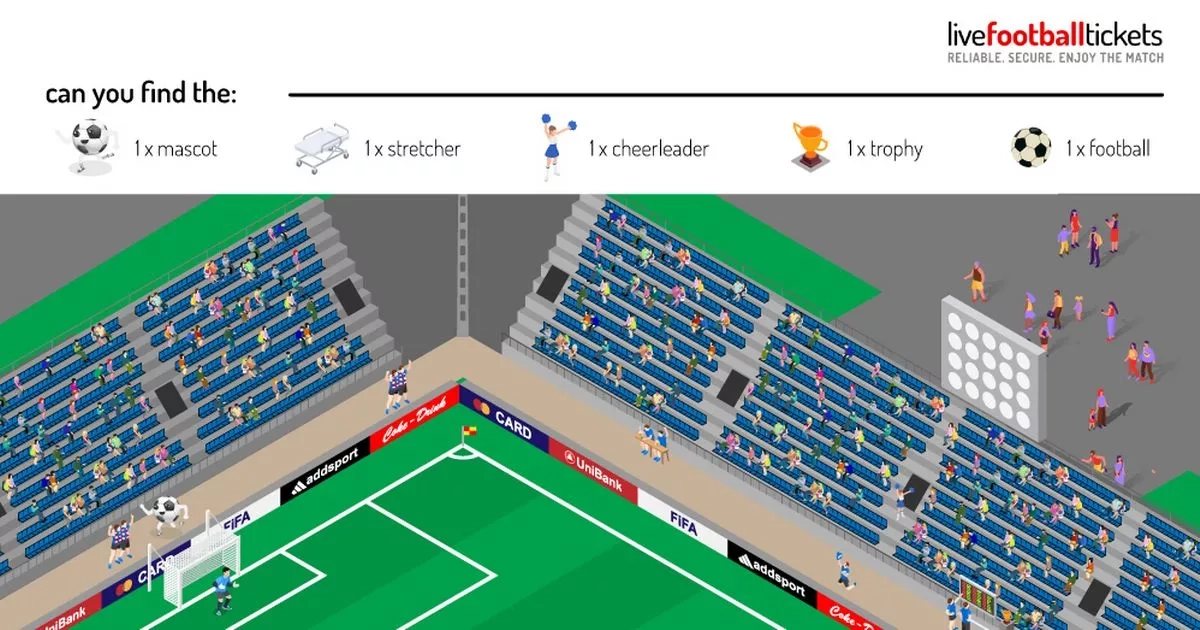
Brainteasers are great for maintaining sharpness and concentration so here's a particularly tricky example only the most eagle-eyed can solve in under a minute With the Fifa Club World Cup around the corner, it's time for a fiendishly difficult brainteaser. Five footballs have been cleverly concealed within a picture of the pitch, presenting a challenge to even the most avid puzzle lovers. The brainteaser was created by Live Football Tickets, which said it takes readers 1 minute 23 seconds on average to complete. It claimed one in four people struggled to complete it altogether, challenging Mirror Online readers to get the job done in under 60 seconds. Don't worry, however - if the quiz proves too difficult, the answer can be found at the bottom of the article. Brainteasers prove popular because people enjoy the satisfaction of cracking puzzles and giving their mind a workout at the same time. Puzzles can enhance a range of skills including focus, logic, observation and reasoning too. They can also help you to switch off from daily stresses and strains, giving your brain a welcome sense of relief. So was your mind is sharp enough to beat the clock and find the hidden footballs? The answers are circled below. Brain workouts have been shown to help reduce the risk of dementia, with research showing 40 per cent of cases are preventable. The condition is a set of symptoms caused by different diseases, for example Alzheimer's, which can damage the brain and over time can affect memory, problem-solving, language and behaviour. Although ageing is one of the biggest risk factors for developing the condition, evidence shows that there are things you can do to reduce the risk. With regular practice, puzzles can help build up "cognitive reserve", which is a person's ability to cope with dementia, and is built up by keeping the brain active. The more cognitive reserve a person has "the longer it takes for any diseases in their brain to cause problems with everyday tasks," according to experts from the Alzheimer's Society. "People with a smaller cognitive reserve are at a higher risk of getting dementia in their lifetime," a spokesman from the charity added. "Our brains, like any other muscle in our bodies, require exercise to stay sharp," added psychologist Neha Cadabam. "Daily brainteasers serve as a mental workout, engaging different cognitive processes and pathways, which can have a remarkable impact on cognitive function, especially as we age. "Taking a moment to challenge our brains with a brain teaser can feel like a welcome mental respite," said the executive director at Cadabams Hospitals. "But beyond the immediate satisfaction of solving a puzzle, these little brain teasers might be doing a lot more for us than we realise."
