


Latest news with #medicalCommunity

Daily Mail
 07-07-2025
- Health
- Daily Mail
Doctors assumed my weight loss was because of Mounjaro - they missed the signs that it was actually colon cancer
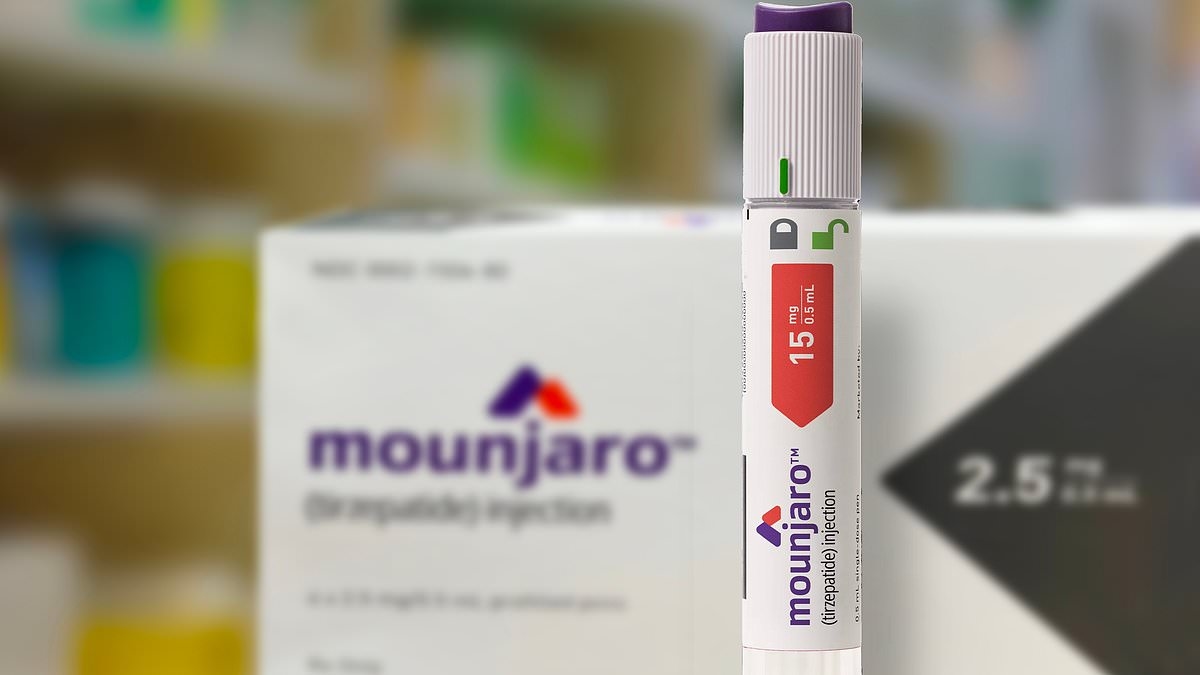
A 47-year-old man has revealed how medics missed the early warning signs he had a devastating cancer as they assumed they were just side effects of a weight loss jab. The unnamed man was taking Mounjaro— dubbed the 'King Kong' of weight-loss injections due to its potency —when he began losing too much weight too fast. He has now been told he has stage 3 colon cancer, an advanced stage of the disease, that kills nearly half of patients within five years of their diagnosis. The man claimed medics initially dismissed 'red flag' signs of the condition like persistent constipation and nausea as simple side effects of Mounjaro. Sharing his story in a Reddit forum for patients taking the drug he urged fellow users not to dismiss worrying changes to their body. 'Mounjaro masked the real cause of my rapid weight loss. Looking back, there were red flags. I brought them up with my doctor, but even they chalked it up to side effects,' he wrote. 'Please—listen to your body. Even if the numbers make sense on paper, trust how you feel.' He made it clear he doesn't suspect the drug caused his cancer, saying that he simply wanted to share his story as a cautionary tale for other patients. The man said he originally started taking Mounjaro about two years ago when he weighed just over 19st (121kg). While he enjoyed some 'slow and steady' success in the first year-and-half—losing 12lbs (5kg) in the first year and then 15lbs (7kg) in six months—he recalled how his weight loss then suddenly accelerated. He said he lost 30lbs (14kg) in just two months, and this was followed by further rapid weight loss that made him technically underweight, with him now weighing around 9st. The man said it was at this point, about eight months ago, that medics told him to stop taking Mounjaro. But he added that despite seemingly suffering side effects and continuing to lose weight in this time, medics said this was still 'the lingering effects of Mounjaro'. It was only a recent colonoscopy—where a thin flexible camera is inserted into the rectum—that revealed the real cause of his symptoms, stage 3 colon cancer. The man said looking back there were serious signs something was wrong beyond Mounjaro side effects that shouldn't have been ignored. 'The biggest red flag was constipation—except I had none of the usual symptoms. Life was so busy, I didn't think much of it…until one day I realized I hadn't had a bowel movement in almost a month. No pain, no discomfort—just nothing,' he wrote. 'The second red flag was extreme fatigue. I went from going to the gym three times a week to barely having enough energy to walk to the mailbox. 'The third red flag? Sudden waves of nausea—for no clear reason. 'The fourth? I completely lost my appetite. No cravings, no hunger—just an emptiness I kept brushing off. Again, I thought it was because of the medication.' Mounjaro—like other drugs Wegovy and Ozempic—belong to class of medications collectively known as 'GLP-1' injections. For weight-loss they work by mimicking a hormone of the same name which governs our sense of appetite. While helping patients slim down the drugs commonly cause digestive issues like constipation, nausea and stomach pain in more than one in 10 people, especially when they first start taking the drugs. Unfortunately, these are also classic warning signs of bowel cancer, of which colon cancer is a type. Unexplained weight loss is also considered a serious sign of the disease, but in this case the man said he thought it was simply Mounjaro helping him slim down. The man said in hindsight he should of questioned why the drug suddenly seemingly became more effective, but added he had been enjoying the weight-loss too much to look into it more deeply. He added that he was currently undergoing chemotherapy and that medics have said his prognosis is 'favourable'. Other members of the forum were quick to highlight that medics need to not let the fact a patient was taking Mounjaro overshadow potential signs of cancer. One wrote: 'This is why doctors need to learn so much more about these meds so they spot red flags like this and don't brush it off.' Another added: 'I can see how this med masked the diagnosis for you, but again your doctor should have at least considered something else was going on and evaluated you further.' Ironically, some studies have suggested GLP-1 medications could actually ward off colon cancer. One recent piece of research found taking the drugs was linked to a 16 per cent lower risk of colon cancer. And a 2023 study found that patients who took the jabs had an 44 per cent lower risk of getting colorectal cancer, which includes colon cancer, compared to diabetics treated with insulin. While part of this effect may be due to helping patients lose weight—with obesity increasing the risk of developing colon cancer—experts have also observed a reduction in cancer risk in non-obese patients. Exactly how the drugs may be producing this effect in patients of a healthy weight is still under investigation. The case comes amid concerns about rare but potentially deadly side effects of GLP-1 medications, as ministers plan to increase the roll-out of the jabs to combat obesity. Last month, the UK medicines regulator launched a probe into the safety of fat jabs after hundreds of users developed pancreatitis, a dangerous inflammation of the pancreas, leaving 10 dead. Recent estimates suggest that about 1.5million people in the UK are taking weight loss jabs, many of which are bought privately due to NHS rationing. The unnamed man isn't alone in being hit by a devastating bowel cancer diagnosis as a young adult. Experts have noted a concerning and mysterious rise in rates of the disease among young adults, defined in cancer terms as those under 50. A recent global study found rates of bowel cancer in under 50 year-olds are rising in 27 of 50 nations. England is averaging a 3.6 per cent rise in younger adults every year, one of the highest increases recorded. While the disease is known to be linked to obesity, experts have noted that the disease also seems to also be occurring in fit and healthy patients. Some experts believe the explanation must lie in environmental factors young people have been exposed to more than previous generations. There are around 2,600 new bowel cancer cases in people aged 25-49 in Britain every year, and around 44,100 new cases among all ages. Around 44,000 cases of bowel cancer are diagnosed every year in the UK, with about 130,000 in the US. The disease kills almost 17,000 Britons each year, with the death toll rising to about 50,000 in America. Overall, just over half of bowel cancer patients are expected to be alive 10 years after their diagnosis. However, survival rates vary vastly on when the disease is diagnosed. If the cancer is found in its earliest stages 90 per cent of patients will still be alive five years after their diagnosis. But, if found later, when the cancer has started to show signs of spreading to more distant tissues—stage 3—this drops to just 65 per cent of patients. Anyone with symptoms of bowel cancer for three weeks or more, even if minor, should contact their GP for advice. While most likely not cancer, an early diagnosis—when the disease is typically easier to treat—can vastly improve outcomes for patients.


CTV News
04-07-2025
- Health
- CTV News
What is the future of vaccines?
Montreal Watch Vaccines are increasingly under threat in the U.S. Dr. Donald Vinh looks at what that might mean for the spread of infectious diseases and for Canada.

Daily Mail
26-06-2025
- Health
- Daily Mail
Exact number of alcoholic drinks that cause colon cancer exploding in young people revealed
It's one of the most widely accepted habits in modern life - a glass of wine with dinner, a cold beer after work. But mounting evidence suggests that even these modest indulgences may quietly be increasing your risk of colon cancer, one of the deadliest - and often symptomless - forms of the disease. Your browser does not support iframes. Your browser does not support iframes.


Health Line
21-06-2025
- Health
- Health Line
What Is Lumbar Spondylitis?
Lumbar spondylitis is a general term for degenerative changes causing pain in the lower spine. It's a progressive condition that can lead to a limited range of motion in your back. Lumbar spondylitis, also called lumbar spondylolysis, can lead to a limited range of motion in the back and problems with other joints, such as the ribs, shoulders, or hips. Symptoms typically develop in early adulthood, but they can also develop in teens or children. Back trauma, chronic repetitive loading, or hyperextension of the back can cause lumbar spondylitis. Ankylosi ng spondylitis is a type of arthritis that can also cause this condition. Ankylosing spondylitis most commonly affects the lower spine. When it involves your lower back, it's sometimes called lumbar spondylitis. This term can also refer to any degenerative changes in your lower spine, such as those caused by osteoarthritis. Symptoms of lumbar spondylitis Lumbar spondylitis symptoms can vary between people. They tend to onset slowly over months to years. The main symptoms are lower back pain and stiffness. Your upper back or neck may also be affected as the condition progresses. Your pain may: get better with exercise, but stay the same or get worse with rest be worse in the morning and evening wake you up at night be felt around your buttocks improve with warmth, such as in a warm shower Pain can range from mild to debilitating. Symptoms tend to flare up and then go through periods where they're reduced or disappear altogether. Other symptoms Other potential symptoms include: pain, stiffness, and warmth in joints, such as the: ribs, which may cause problems with deep breathing shoulders knees hips enthesitis, pain where a bone connects to a tendon abdominal pain and diarrhea loss of appetite weight loss fatigue uveitis, which can cause: vision changes eye pain light sensitivity Lumbar spondylitis causes and risk factors Researchers do not fully understand why some people develop lumbar spondylitis. It's thought that genetic and environmental factors both play a role. People who have the HLA-B27 gene seem to be at an increased risk. More than 90% of people with lumbar spondylitis have this gene. However, most people with this gene never develop lumbar spondylosis. Other risk factors for lumbar spondylitis include: family history age, with most people developing symptoms before age 45 having Crohn's disease being assigned male at birth, occurring about two times more often in males (however, it's believed that AS has been under-recognized and under-diagnosed in biological females) Lumbar spondylitis complications Lumbar spondylitis can compress your spinal cord and lead to neurological symptoms like chronic lower back or leg: pain numbness tingling weakness In rare cases, it can also cause loss of bowel control or loss of bladder control. Other complications can include: reduced joint mobility increased fracture risk increased risk of cardiovascular disease How is lumbar spondylitis treated? Lumbar spondylitis does not have a cure, but a combination of natural remedies, medications, and sometimes surgery can help you slow its progress. Natural remedies and lifestyle modifications Natural remedies or lifestyle modifications that may help you manage your symptoms include: physical therapy, which may include: posture exercises strengthening exercises stretches and mobility work massage exercising regularly focusing on having good posture using assistive devices like walkers or canes minimizing your stress levels eating a nutritious, balanced diet that includes foods like fruits, vegetables, whole grains, and lean protein quitting smoking (this can be difficult, but a doctor can build a cessation plan that works for you) or not starting Medications A doctor may recommend or prescribe the following types of medications: nonsteroidal anti-inflammatory drugs like ibuprofen or celecoxib biologic medications like TNF inhibitors to modify immune system activity janus kinase inhibitors if your condition does not respond to other treatments corticosteroids to decrease inflammation and help with pain (these are used sparingly due to their cumulative side effects) Surgery Because of potential complications, surgery is performed infrequently. Your doctor may recommend surgery if you have trouble with daily activities or neurological complications. Some of the most commonly performed surgeries include: Laminectomy: A laminectomy involves removing a part of the vertebra called the lamina to decompress your spine. Spinal osteotomy: A spinal osteotomy is a procedure used to correct structural abnormalities in your spine. Spinal fusion: Spinal fusion is a procedure where two or more of your vertebrae are permanently fused together. Hip joint replacement: A hip joint replacement involves replacing the ball, socket, or ball and socket of your hip joint with an artificial replacement. When to contact a doctor It's a good idea to contact your primary healthcare professional if you have persistent symptoms that may be a sign of lumbar spondylitis. If your doctor suspects ankylosing spondylitis, they may refer you to a doctor called a rheumatologist who specializes in joints for further evaluation. It's also a good idea to visit your doctor if you've previously been diagnosed with ankylosing spondylitis and you notice a change in your symptoms. How is lumbar spondylitis diagnosed? Lumbar spondylitis can be difficult to diagnose. Doctors will typically consider your personal and family medical history, conduct tests, and order a number of tests to help them make a diagnosis, including: performing a physical exam, which might include: examining your joints watching your movement checking for rib stiffness by having you breathe deeply blood tests to check for inflammation and to see if you have the HLA-B27 gene imaging, such as: X-rays magnetic resonance imaging (MRI) ultrasound You may receive an ankylosing spondylitis diagnosis if you have inflammation in the joints between your lower back and pelvis and at least one of the following symptoms: lower back pain that improves with exercise and gets worse with rest limited movement in your lower back limited ability to expand your chest compared to what would be expected for your age and sex What is the outlook for people with lumbar spondylitis? Lumbar spondylitis generally has a good outlook. There's no cure, and symptoms tend to progress, but in most instances, the condition responds to conservative treatment. Your doctor may recommend surgery if you have neurological complications.
Daily Mail
08-05-2025
- Health
- Daily Mail
BREAKING NEWS Sad update after former Australian of the Year was dealt devastating cancer diagnosis
Professor Richard Scolyer has revealed he may only have a few months to live after revealing his stage four brain cancer had returned this year.
