



UK's Assura's chairman steps down amid PHP takeover
Smith's departure comes just a week after Primary Health Properties (PHP.L), opens new tab won a heated $2.4 billion takeover battle for Assura.
Davies currently serves as the deputy CEO of restaurants operator SSP Group (SSPG.L), opens new tab.
Hashtags

Try Our AI Features
Explore what Daily8 AI can do for you:
Comments
No comments yet...
Related Articles

Daily Mail
 27 minutes ago
- Daily Mail
Biggest shake-up in type 2 diabetes care for decade as patients to be offered fat jabs
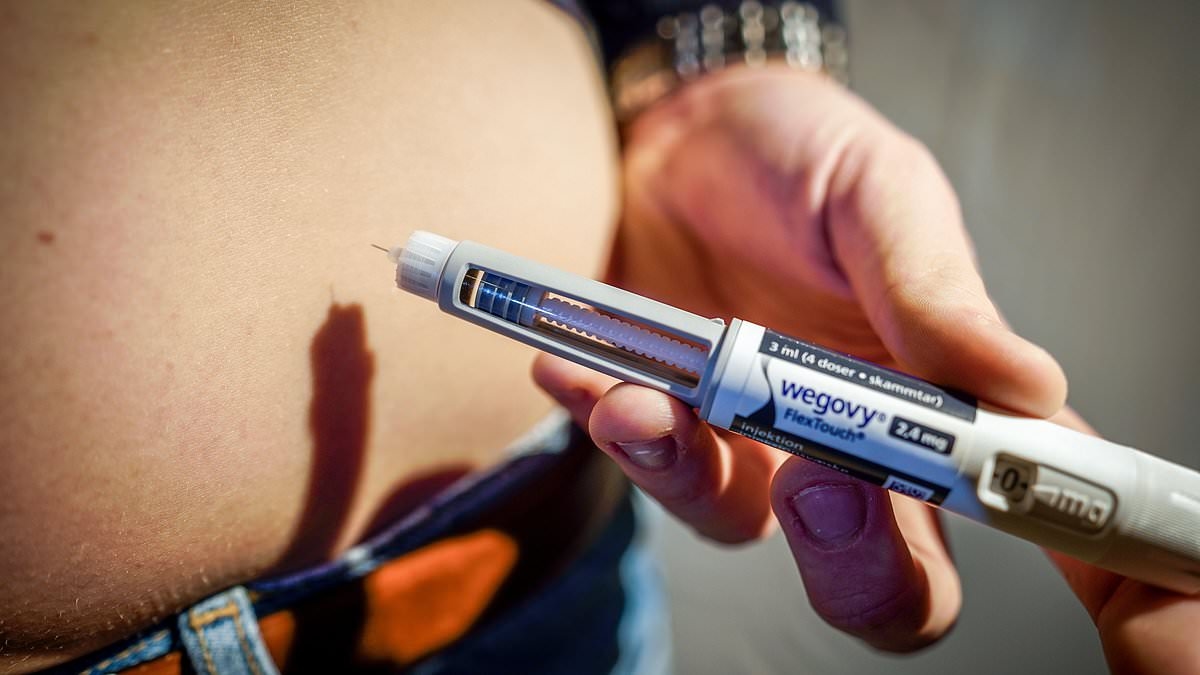
Fat jabs could be offered to people with type 2 diabetes much sooner in the biggest shake up in treatment for a decade. As part of several recommendations by the National Institute for Health and Care Excellence (NICE), patients would receive weight-loss drugs such as Ozempic in the early stages of care, rather than reserving them for the later stages. The new guidance also recommends ditching the current one-size-fits-all approach of starting everyone on the same medication in favour of more personalised care that aims to prevent complications like heart failure and heart attacks. This includes making newer type 2 diabetes drugs, known as SGLT-2 inhibitors, a first-line treatment option in a move that could eventually help save tens of thousands of lives. SGLT-2 inhibitors are once-a-day tablets that reduce blood sugar levels by helping the kidneys remove glucose, which is passed from the body through urine. However, analysis by NICE found these drugs are under-prescribed. The guidelines recommend patients who cannot tolerate metformin – the first-choice type 2 diabetes medication – should start with an SGLT-2 inhibitor on its own. The decision comes after evidence suggested these drugs protect the heart and kidneys as well as controlling blood sugar, NICE said. It is estimated the change could save almost 22,000 lives once uptake reaches 90 per cent of patients. Professor Jonathan Benger, deputy chief executive and chief medical officer at NICE, said: 'This guidance means more people will be offered medicines where it is right to do so to reduce their future risk of ill health. 'This represents a significant evolution in how we approach type 2 diabetes treatment. 'We're moving beyond simply managing blood sugar to taking a holistic view of a person's health, particularly their cardiovascular and kidney health. 'The evidence shows that certain medicines can provide important cardiovascular benefits, and by recommending them as part of initial treatment, we could help prevent heart attacks, strokes and other serious complications before they occur. 'This is particularly important given that cardiovascular disease is the leading cause of death in people with type 2 diabetes.' More tailored care for patients would see semaglutide offered much sooner. Semaglutide, sold under the brand name Ozempic, is licensed in the UK to treat type 2 diabetes, while its other brand Wegovy is also used by the NHS to help obese people lose weight. Around 4.6 million people in the UK are living with diabetes, with nine in ten of those having type 2. However, it is estimated that a further 1.3 million people may have undiagnosed type 2 diabetes. NICE analysed the records of 590,000 people and found SGLT-2 inhibitors are under-prescribed, particularly to women, older people, and black patients. Professor Benger added: 'The evidence from our analysis is clear. There are prescribing gaps that need to be addressed. 'The guideline update published today will help to increase equitable uptake of SGLT-2 inhibitors, which we know can prevent serious health complications.' Dr Waqaar Shah, chairman of the guideline committee, added: 'We know that SGLT-2 inhibitors are currently under-prescribed, and our health economics analysis shows that people living in the most deprived areas would particularly benefit from universal access to these treatments. 'These recommendations could help reduce health inequalities while providing better outcomes for everyone.' Elsewhere, the draft guidance suggests different treatments for diabetes patients with certain characteristics or health conditions. These include adults with cardiovascular disease, who should be offered a triple therapy including weight-loss jabs. Meanwhile, adults diagnosed with type 2 diabetes before 40 should be offered dual therapy before fat jabs are considered, while patients with chronic kidney disease should have tailored recommendations based on their kidney function. A public consultation on the new NICE guidelines is open until October 2. Douglas Twenefour, head of clinical at Diabetes UK, said: 'This long-awaited announcement propels type 2 diabetes treatment into the 21st century. ' Boosting access to newer treatments will be transformative for people with type 2 diabetes, while ensuring the UK keeps pace with the global momentum in treating the condition. 'The majority of people with type 2 diabetes are not currently taking the most effective medication for them, putting them at risk of devastating diabetes-related complications. 'Diabetes is a leading cause of cardiovascular disease, and tailoring treatment based on individual risk could protect thousands against heart attacks and kidney disease. 'These guidelines could go a long way to easing the burden of living with this relentless condition, as well as helping to address inequities in type 2 diabetes treatments and outcomes.'


Auto Car
28 minutes ago
- Auto Car
JLR opens new energy farm that is the size of 36 football pitches!
Jaguar Land Rover (JLR) has opened a solar farm the size of 36 football pitches at its Gaydon headquarters as part of efforts to increase its energy independence. The 26-hectare, 18MW site can generate enough electricity to power a third of the British firm's base. The site is home to JLR's design, engineering and R&D teams. It is part of a move from JLR to source at least 30% of its global energy use from on-site renewables, while also reducing its reliance on grid energy – and therefore fluctuating energy costs – and improving its environmental impact. A similar project is being completed at its Wolverhampton Electric Propulsion Manufacturing Centre. There, one of the UK's largest rooftop arrays, featuring more than 18,000 panels, will open in the coming months. This will be able to generate around 9500 MWh of energy each year, meeting 40% of the site's needs. Next year, the marque will install 10MW of solar car ports at its Merseyside site. These include canopies and solar walkways – structures like these are quite common in hotter countries, such as Spain. They will mostly provide energy for EV charging. JLR's chief sustainability officer Andrea Debbane said the steps were 'important'. She added: 'They directly reduce our global operational emissions and help move us closer to our net zero goal, whilst delivering tangible value today and for the long-term.'


The Independent
28 minutes ago
- The Independent
Boys and girls should be taught about periods together in school, academics say
Girls and boys should be taught about periods in mixed-sex groups in school to improve their understanding of menstruation, researchers have said. A study by University College London (UCL) academics has suggested that pupils in schools are being given insufficient information around periods. For many pupils they are given just two lessons about periods in their whole school career – one in primary and one in secondary, researchers have said. They have called for lessons on menstruation in schools to be much 'more comprehensive'. Since September 2020, relationships and sex education has been compulsory in secondary schools in England, while relationships education has been compulsory in primary schools. Professor Joyce Harper, from UCL Institute for Women's Health, said: 'Educating pupils about periods may now be compulsory in schools in England and Wales, but we know that for many of them that still only amounts to two lessons in their entire school career.' The researchers suggested that periods should be taught among mixed-sex groups, as well as single-sex groups, which some schools do not currently do. Prof Harper said: 'Our focus groups were also of the view that boys need to be part of that education. 'It was agreed that classes should not be segregated by gender, believing mixed sessions are crucial for boys' education. 'Although some saw value in single-sex classes to allow students to speak more freely, they still felt mixed sessions were essential to improve overall understanding. 'They suggested this could help boys understand and support their friends and future partners through menopause.' Overall, 55 women took part in the study divided into two groups based on age (18 to 25 and 26 to 40) and five focus groups were conducted for each group. They were recruited via social media, and many of the women were educated before the topic on menstruation became mandatory in English schools. The academics said menstruation is 'highly stigmatised' and a 'lack of education' about difficult periods restricts individuals from seeking help. Co-author Caroline Musulin, from UCL Institute for Women's Health, said: 'Many women endure menstrual problems longer than they should due to the inability to speak openly about uncertainties, fears of being dismissed by healthcare professionals, the view that it's 'just' a painful period or feelings of shame. 'Stigma, secrecy, and the expectation to 'cope' with painful periods contribute to the systemic dismissal of menstrual discomfort.' The latest statutory Government guidance on relationships, sex and health education (RSHE) in schools says pupils should be taught about menstruation in primary and secondary school. The guidance, which was published last month, says pupils should learn the facts about the menstrual cycle, including physical and emotional changes, by the end of primary school to help them understand what to expect. By the end of secondary school, pupils should learn about menstrual and gynaecological health – including period problems such as premenstrual syndrome, heavy menstrual bleeding, endometriosis and polycystic ovary syndrome – as well as menopause, the guidance adds. The latest Department for Education (DfE) guidance says: 'RSE lessons should ensure that both boys and girls have opportunities to practise respectful communication and understand experiences which are different from their own, including menstruation and menopause.' Schools in England will have to follow the statutory RSHE guidance from September 2026. Sarah Hannafin, head of policy for school leaders' union NAHT, said: 'Teaching about periods is a vital part of health education for all pupils. 'Although many schools may separate classes to create a safe space for discussions on topics like this, mixed-sex groups should also be planned as it is vital that pupils understand others' experiences. 'Schools need freely available high-quality resources to support them to do this. 'Education about periods needs more than a single lesson but the curriculum in both primary and secondary schools is overcrowded and the new RSHE guidance has added a lot of new content without any additional time being created.' Pepe Di'Iasio, general secretary of the Association of School and College Leaders, said: 'We fully support the need for boys and girls to be taught about menstruation in a comprehensive manner which goes beyond biological facts and covers the wider effects on wellbeing. 'It is essential to be able to discuss this topic openly without misinformation or embarrassment. 'While it is covered in the RSHE curriculum we would welcome consideration of how teaching of this topic might be strengthened.' A DfE spokesperson said: 'Understanding menstruation is an important part of growing up, which is why we have brought in a new relationships, sex and health education curriculum to take effect next year, with clear guidance that pupils should be taught about both physical and emotional changes, as well as topics from endometriosis to heavy menstrual bleeding. 'As part of our plan for change, we're providing teachers with new resources to help them run great lessons on these issues, tackle stigma head-on and support every child to achieve and thrive.'
