


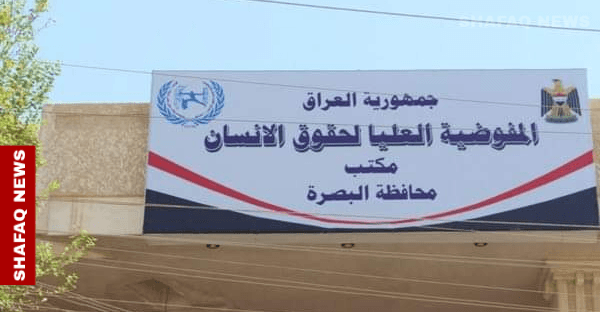
Basra sounds alarm: landmine threat escalates, demands action
Mahdi Al-Tamimi, the Office's director, told Shafaq News that the Basra Provincial Council must activate the committee's recommendations, which include holding urgent meetings with relevant authorities to resolve the longstanding issue.
"The recommendations emphasize the need to support mine clearance centers in Basra, especially in light of the recent escalation in incidents and the rising number of casualties from multiple explosions in the province," Al-Tamimi said, stressing that the issue requires 'serious commitment from the Iraqi government and greater cooperation to clear minefields and war remnants.'
Basra is heavily reliant on international organizations and countries such as Britain, Norway, Germany, and China. However, Al-Tamimi highlighted the need for 'stricter oversight' of international demining organizations, citing concerns over their effectiveness.
According to Al-Tamimi US President Donald Trump's decision to halt US funding for these programs would also affect the procedure.
"The Iraqi government must step in and fully take over this file to protect civilians, especially given the alarming rise in injuries and fatalities in Basra," he said.
Basra has faced persistent dangers from landmines and war remnants dating back to the Iran-Iraq War and the Gulf Wars, posing a severe risk to civilians.
Hashtags

Try Our AI Features
Explore what Daily8 AI can do for you:
Comments
No comments yet...
Related Articles

Shafaq News
 2 hours ago
- Shafaq News
US, Russia, Ukraine to hold potential peace meeting in Hungary
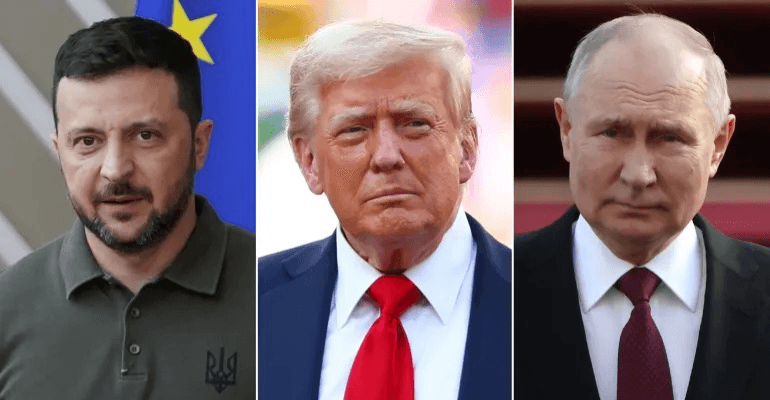
Shafaq News – Washington The White House is planning for a possible trilateral meeting between the US, Russian, and Ukrainian presidents in the Hungarian capital of Budapest, Politico reported on Tuesday. Citing two anonymous sources, the report indicated that the US Secret Service is scouting multiple locations, with Budapest emerging as the leading candidate. Press Secretary Karoline Leavitt Briefs Members of the Media, Aug. 19, 2025 — The White House (@WhiteHouse) August 19, 2025 Earlier, President Donald Trump revealed he called his Russian counterpart, Vladimir Putin, 'to begin the arrangements,' with the Russian President identifying Moscow as his preferred meeting location. Meanwhile, French President Emmanuel Macron advocated for Geneva, which later offered 'immunity' to Putin regarding an outstanding war crimes warrant if the city were selected for peace talks. While Ukrainian President Volodymyr Zelenskyy confirmed he is "ready" to meet Putin, Moscow tempered the initial enthusiasm. Russian Foreign Minister Sergey Lavrov stressed that any summit would require careful preparation, proceeding "step by step, gradually, beginning at the expert level and then moving through all necessary steps." These developments follow Trump's meeting with Putin in Alaska last week, and his discussions on Monday with Zelenskyy alongside European leaders. The meetings aimed to explore potential pathways to end the war, though no breakthrough has been reported.

Shafaq News
3 hours ago
- Shafaq News
Iraq's cabinet greenlights Kurdistan salary payments
Shafaq News – Baghdad On Tuesday, Iraq's cabinet approved funding for public sector salaries in the Kurdistan Region, linking June payments to the transfer of revenues and oil deliveries mandated under the 2023-2025 Federal Budget Law. A statement from Prime Minister Mohammed Shia al-Sudani's media office noted that the decision extends an earlier measure authorizing payroll funding for the Region. Committees overseeing the process are required to submit reports within a week, while a technical team calculates the federal treasury's share of the Region's non-oil revenues, ensuring accountability in the transfer process. Instead of transferring a fixed amount as in previous months, the Kurdistan Regional Government (KRG) will now remit its share of non-oil revenues directly to the federal treasury. The Ministry of Finance and the Federal Board of Supreme Audit will monitor the process. The cabinet also instructed the KRG to ensure that oil companies operating in the Region deliver crude in line with the Federal Budget Law, ''reinforcing the link between revenue transfers and monthly allocations.'' Under this law, the KRG is required to provide both oil and non-oil revenues to the federal treasury in exchange for monthly payments. In practice, salary transfers

Iraqi News
6 hours ago
- Iraqi News
Public sector salaries a massive fiscal burden as 10.5 million Iraqis depend on state
Baghdad ( – More than 10.5 million Iraqi citizens, representing approximately a quarter of the nation's total population, receive a monthly salary from the state, according to a new report from the Parliamentary Finance Committee. This dependency on state payrolls places a massive fiscal burden on the government, raising concerns about long-term economic sustainability. Moein Al-Kazemi, a member of the committee, stated that the Ministry of Finance secures 8 trillion Iraqi Dinars monthly to cover the salaries of government employees, retirees, and social protection network beneficiaries. The report provided a detailed breakdown of the total beneficiaries: Over 4.2 million are government employees. More than 3 million are retirees. Over 3 million are beneficiaries of the social protection network. This ratio of state-dependent citizens is among the highest in the world, far exceeding that of many other countries. For comparison, a significantly smaller percentage of the population is employed in the public sector in countries like the United States (around 13-15%) and the United Kingdom (around 22-23%), while in many developing countries, the percentage is often below 10%. The sheer size of Iraq's public payroll is an outsized burden on the national budget, diverting critical funds from much-needed capital investments in infrastructure, healthcare, and education. Al-Kazemi confirmed that these payments are fully secured until the end of the current year, backed by the country's monthly oil revenues, which exceed $6 billion. However, this reliance on a single, volatile source of income to sustain such a massive public payroll leaves the Iraqi economy highly vulnerable to fluctuations in global oil prices and external shocks.
