


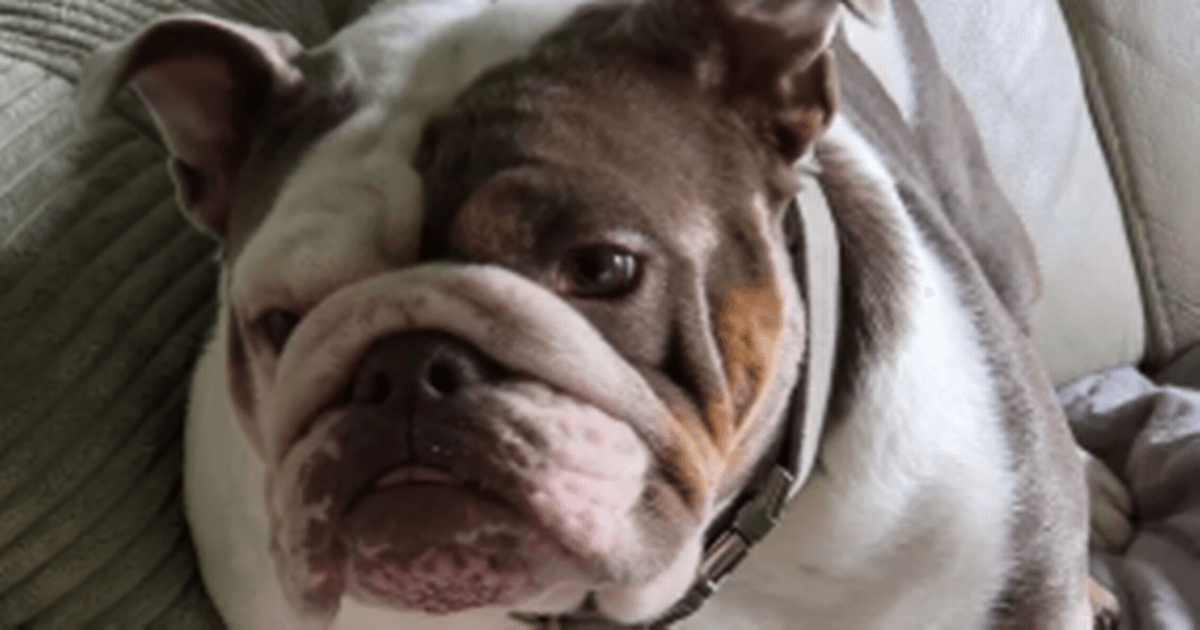
When should dog owners seek vet help for overheating as bulldog dies after 27C walk
A dog owner in Belshill was left heartbroken after her dog was taken out by a professional walker in 27C- and died shortly after. Mandy Lawrie, 63, returned home to find her two-year-old English Bulldog Shelby passed away on the floor, after CCTV revealed her dog walker had carried the heat exhausted pup back to the house.
Dave McGhee, who runs Dave's Dugs, has since apologised, after initially saying that the dog was fine when she was dropped back at the house- until the footage proved otherwise. The walker has been slammed for not seeking advice from a vet when it was clear that the pooch was unwell on Tuesday, August 14.
But what are the signs of heat exhaustion in dogs that were clearly missed by the professional walker, and when should you seek advice from a vet?
British Veterinary Association President Dr Elizabeth Mullineaux says: 'Each summer, vets see pets suffering from heat-related problems and illnesses, such as heatstroke, breathing problems, burnt paw pads and sunburn. Unfortunately, these can often be fatal."
We've rounded up some advice from the British Veterinary Association to make sure you can keep your pet safe in summer, including exactly when you should take your pet to the vet.
Here's everything you need to know.
Advice for walking your dog in the heat and when to see a vet
The vets share the following advice on their website for protecting your dog when walking them in hot weather:
Don't exercise dogs in the hottest parts of the day: especially older dogs, overweight dogs, flat-faced breeds or dogs that you know have heart or lung problems. Stick to early morning or late evening walks.
Do the five-second tarmac test before taking a dog out for a walk- put your palm flat on the tarmac for five seconds, and if it feels too hot for you, it's too hot for your dog's paws.
Never leave dogs in vehicles. If you see a dog in distress inside a hot car, call 999.
The Kennel Club adds that walking on grass or shady dirt paths is safer for your pooch's paws than hot pavements.
If heatstroke or any other heat-related condition is suspected, take your pets to a cool, well-ventilated place, give them small amounts of cold water to drink, and pour cold water over them to cool them down.
Seek immediate advice from your vet if you think your dog is showing signs for heat exhaustion or heat stroke.
Signs of heat exhaustion in dogs
The first sign that your dog is overheating is excessive panting. If this occurs, take action immediately to cool down your pet.
Once overheating has developed, your dog may also:
Become restless and show discomfort
Vomit or have diarrhoea
Drool excessively
Have an increased heart rate
Lose coordination, have seizures or muscle tremors
If your pooch develops any of these symptoms, contact a vet immediately.
The exact temperature that's too hot to walk your dog
The experts at Kennel Club share a guide on their website that details exactly which temperatures are ideal for your dog to exercise and which are too hot for your pup to be outside.
Temperatures below 12C are described as perfect walking weather when your dog will be comfortable and ready to explore.
If the mercury is ranging between 12-19C, conditions are safe for most dogs, but keep an eye out for signs of overheating if they're running around a lot.
When the weather is 20-23C, however, owners should start to take precautions. Stick to shaded areas, keep walks short, and bring water.
And 24-26C is risky territory. The experts recommend only taking your dog out if it's absolutely necessary, and making it a quick, shady stroll.
And finally, if the mercury is 27C or above, it's simply too dangerous to walk your dog. Stay indoors or let them relax in a cool, shaded area instead.
Join the Daily Record WhatsApp community!
Get the latest news sent straight to your messages by joining our WhatsApp community today.
You'll receive daily updates on breaking news as well as the top headlines across Scotland.
No one will be able to see who is signed up and no one can send messages except the Daily Record team.
All you have to do is click here if you're on mobile, select 'Join Community' and you're in!
If you're on a desktop, simply scan the QR code above with your phone and click 'Join Community'.
We also treat our community members to special offers, promotions, and adverts from us and our partners. If you don't like our community, you can check out any time you like.
To leave our community click on the name at the top of your screen and choose 'exit group'.

Try Our AI Features
Explore what Daily8 AI can do for you:
Comments
No comments yet...
Related Articles

Daily Record
 6 days ago
- Daily Record
When should dog owners seek vet help for overheating as bulldog dies after 27C walk
A granny in Bellshill found her dog dead after a walker had taken it out in 27C heat. A dog owner in Belshill was left heartbroken after her dog was taken out by a professional walker in 27C- and died shortly after. Mandy Lawrie, 63, returned home to find her two-year-old English Bulldog Shelby passed away on the floor, after CCTV revealed her dog walker had carried the heat exhausted pup back to the house. Dave McGhee, who runs Dave's Dugs, has since apologised, after initially saying that the dog was fine when she was dropped back at the house- until the footage proved otherwise. The walker has been slammed for not seeking advice from a vet when it was clear that the pooch was unwell on Tuesday, August 14. But what are the signs of heat exhaustion in dogs that were clearly missed by the professional walker, and when should you seek advice from a vet? British Veterinary Association President Dr Elizabeth Mullineaux says: 'Each summer, vets see pets suffering from heat-related problems and illnesses, such as heatstroke, breathing problems, burnt paw pads and sunburn. Unfortunately, these can often be fatal." We've rounded up some advice from the British Veterinary Association to make sure you can keep your pet safe in summer, including exactly when you should take your pet to the vet. Here's everything you need to know. Advice for walking your dog in the heat and when to see a vet The vets share the following advice on their website for protecting your dog when walking them in hot weather: Don't exercise dogs in the hottest parts of the day: especially older dogs, overweight dogs, flat-faced breeds or dogs that you know have heart or lung problems. Stick to early morning or late evening walks. Do the five-second tarmac test before taking a dog out for a walk- put your palm flat on the tarmac for five seconds, and if it feels too hot for you, it's too hot for your dog's paws. Never leave dogs in vehicles. If you see a dog in distress inside a hot car, call 999. The Kennel Club adds that walking on grass or shady dirt paths is safer for your pooch's paws than hot pavements. If heatstroke or any other heat-related condition is suspected, take your pets to a cool, well-ventilated place, give them small amounts of cold water to drink, and pour cold water over them to cool them down. Seek immediate advice from your vet if you think your dog is showing signs for heat exhaustion or heat stroke. Signs of heat exhaustion in dogs The first sign that your dog is overheating is excessive panting. If this occurs, take action immediately to cool down your pet. Once overheating has developed, your dog may also: Become restless and show discomfort Vomit or have diarrhoea Drool excessively Have an increased heart rate Lose coordination, have seizures or muscle tremors If your pooch develops any of these symptoms, contact a vet immediately. The exact temperature that's too hot to walk your dog The experts at Kennel Club share a guide on their website that details exactly which temperatures are ideal for your dog to exercise and which are too hot for your pup to be outside. Temperatures below 12C are described as perfect walking weather when your dog will be comfortable and ready to explore. If the mercury is ranging between 12-19C, conditions are safe for most dogs, but keep an eye out for signs of overheating if they're running around a lot. When the weather is 20-23C, however, owners should start to take precautions. Stick to shaded areas, keep walks short, and bring water. And 24-26C is risky territory. The experts recommend only taking your dog out if it's absolutely necessary, and making it a quick, shady stroll. And finally, if the mercury is 27C or above, it's simply too dangerous to walk your dog. Stay indoors or let them relax in a cool, shaded area instead. Join the Daily Record WhatsApp community! Get the latest news sent straight to your messages by joining our WhatsApp community today. You'll receive daily updates on breaking news as well as the top headlines across Scotland. No one will be able to see who is signed up and no one can send messages except the Daily Record team. All you have to do is click here if you're on mobile, select 'Join Community' and you're in! If you're on a desktop, simply scan the QR code above with your phone and click 'Join Community'. We also treat our community members to special offers, promotions, and adverts from us and our partners. If you don't like our community, you can check out any time you like. To leave our community click on the name at the top of your screen and choose 'exit group'.


Scotsman
06-08-2025
- Scotsman
Hip Dysplasia Dogs: Here are the 10 breeds of adorable dog prone to the joint condition
A huge number of us decided to welcome new puppies into our homes over the last few years – according to Kennel Club figures dog ownership has soared to record levels and around one-in-three homes now has at least one pooch. There are a whopping 221 different breeds of pedigree dog to choose from, alongside numerous crossbreeds, so there's plenty of thinking to do before you select your family's latest addition. There's even academic guidance to seek out, with Psychologist Stanley Coren's book 'The Intelligence of Dogs' ranking breeds by instincts, obedience, and the ability to adapt. Another thing to take into consideration is that some breeds are prone to particular health issues. One common canine disorder is hip dysplasia – when the dog's hip ball and socket joint doesn't fit or develop properly, causing it to rub and grind instead of sliding smoothly. The condition results in the deterioration of the hip over time, causing pain and drastically reduce a dog's quality of life. Here are the 10 least breeds of dog genetically predisposed to suffering hip dysplasia, according to the American Kennel Club, along with more information about the condition. For all the latest dog news, chat, advice and information, join our Scotsdog Facebook group here Read more: 1 . Saint Bernard The Saint Bernard is prone to a range of joint degenerative disorders due to its huge size. Keeping a dog at a healthy weight is one of the best ways to minimise the risk of developing such issues. Photo: Canva/Getty Images Photo Sales 2 . German Shepherd Larger dogs are generally more likely to develop hip dysplasia, with the German Shepherd being a case in point. They are most likely to suffer from the condition later in life, at around the age of seven. Photo: Canva/Getty Images Photo Sales 3 . Labrador Retriever A combination of a large frame, genetic predisposition and weight distribution mean that lovable Labrador Retrievers commonly develop hip dysplasia. Symptoms of the condition include walking with a limp, lack of interest in exercise, reluctance to climb stairs, and a clicking sound when walking. Photo: Canva/Getty Images Photo Sales 4 . Golden Retriever Golden Retrievers share the Labrador Retriever's many positive attributes, but also the tendency to have hip problems. Some dogs show signs of the issue when they are just months old, while others show no problems until they are much older. Photo: Canva/Getty Images Photo Sales Related topics: Facebook

Daily Mail
06-08-2025
- Daily Mail
Vets reveal the four breeds first–time dog owners should NOT have – so, is yours on the list?
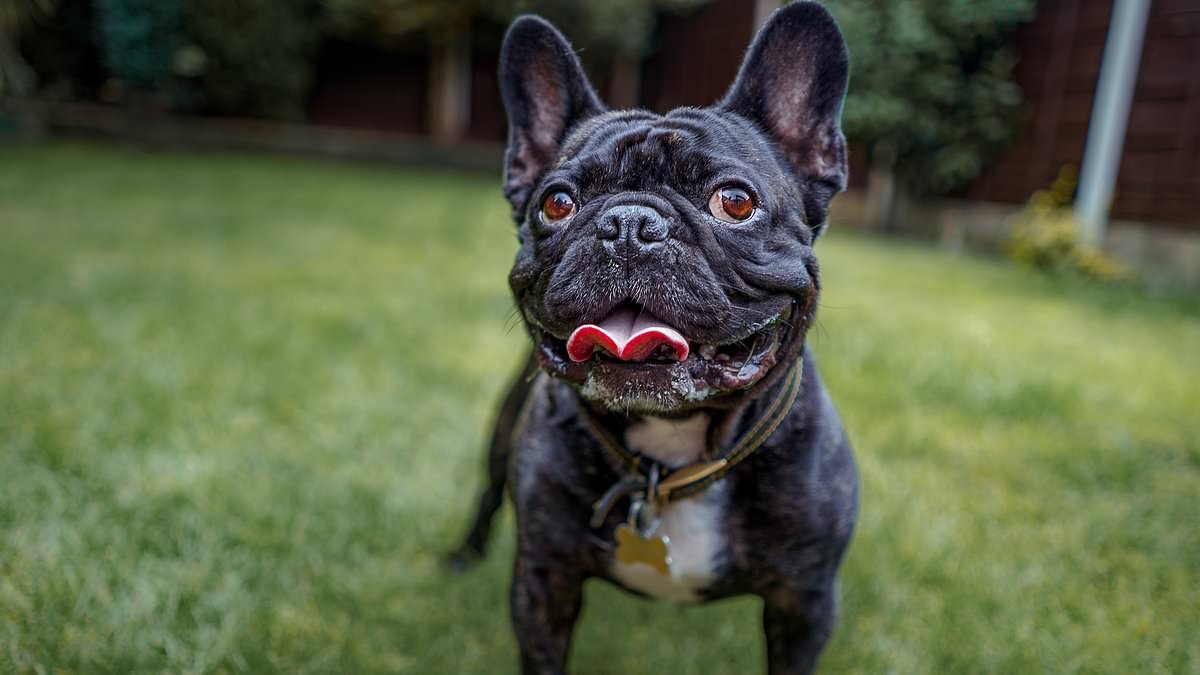
These cute dogs are some of the nation's favourite companions. But scientists have now revealed why first–time dog owners should steer clear of four of the most popular breeds. Researchers from Eötvös Loránd University, Hungary, found that short–nosed dogs are harder to train, reluctant to come when called, and overreact to guests. Although short–nosed dogs may be innately calm and bold, these benefits often fail to emerge due to a lack of proper training. That means pugs, French bulldogs, Boston terriers, and Cavalier King Charles spaniels are all bad choices for your first step into pet ownership. Despite this, the survey found that owners of these unruly pooches are typically young women who have never had a dog before. Typical owners of flat–faced dogs also tend to live alone, spend a lot of time with their dogs, and primarily choose their pet for companionship. These new owners' dogs tended to be 'spoiled', untrained, young, kept exclusively indoors, and allowed to sleep on the bed. Despite coming with a range of incurable and debilitating health issues, short–nosed (brachycephalic) dogs are still among the UK's most popular breeds. A study published by the Royal Veterinary College last year found that French Bulldogs were the most popular breed for new owners, making up seven per cent of all puppies under one year old in 2019. Likewise, even as t he popularity of pedigree breeds has declined, the number of purebred short–nosed puppies continues to rise. The Kennel Club found that the number of newly registered French bulldog puppies has increased by 34 per cent from 2010 to 2021. Owners often value these dogs for their calm, playful personalities and describe them as interactive or friendly. Earlier studies have even found that short–nosed dogs are better at making eye contact with humans and are more effective at following human gestures. But, in reality, flat–faced dogs like the French bulldog are often poorly trained and overly reactive. To see how face shape, body size, and owner characteristics might lead to these issues, the researchers examined over 5,000 purebred dogs and their owners. What are brachycephalic dogs? The word 'brachycephalic' means short or broad–headed. Examples include Pugs, Bulldogs, Boxers, and Pekingese. Because of this extreme body shape, flat–faced dogs have a much higher risk of developing numerous painful illnesses and diseases. Health problems associated with brachycephaly include: Anatomical defects of the upper airway, causing breathing difficulties often associated with overheating, sleep apnoea, and regurgitation Eye disease Inability to mate or give birth naturally Repeated skin infections Dental problems The researchers collected the data of dogs from 90 breeds and surveyed their owners about their lifestyles and training habits. Sorting the dogs by head shape alone, those with flat faces were calmer and bolder than their long–nosed counterparts. These dogs are also harder to train, reluctant to return when called, and overreact to guests arriving at the house. In a further analysis, the researchers controlled for the dog's owners and body size to reveal a more complex picture. Study author Dr Borbála Turcsán says: 'We found that the low trainability of short–nosed dogs is mainly due to their small body size and lack of training – not their head shape. 'When we control for these influences, there's no difference in trainability across head shapes.' When the effects of lack of training, small size, and pampering are accounted for, it turns out that short–nosed dogs are genetically less likely to jump up on people, pull on the leash, or react excessively when guests arrive. However, they are also innately less friendly towards other dogs – a trait which is obscured by the fact that more flat–nosed dogs are young, which makes them more sociable. But if you aren't ready to train a dog thoroughly or might be prone to pampering, you won't be able to get the best out of a flat–faced dog's potential. 'Calmness, boldness, and poor recall response are all traits specific to short–headed dogs,' says Dr Turcsán. 'These behavioural traits are directly connected to head shape and remain significant even when we control for background factors.' The researchers believe these innate differences could originate from the shape of flat–nosed dogs' heads and their disabling health conditions. Study co–author Professor Enikő Kubinyi says: 'The brains of short–nosed dogs are more rounded, and their patterns of brain activity differ from those of other breeds, so it's easy to imagine that their brains regulate behaviour differently. 'It's also possible that dogs with breathing difficulties, pain, or musculoskeletal issues move less and seek comfort, which owners interpret as calm behaviour.' DOGS WERE FIRST DOMESTICATED SOME 20,000–40,000 YEARS AGO A genetic analysis of the world's oldest known dog remains revealed that dogs were domesticated in a single event by humans living in Eurasia, around 20,000 to 40,000 years ago. Dr Krishna Veeramah, an assistant professor in evolution at Stony Brook University, told MailOnline: 'The process of dog domestication would have been a very complex process, involving a number of generations where signature dog traits evolved gradually. 'The current hypothesis is that the domestication of dogs likely arose passively, with a population of wolves somewhere in the world living on the outskirts of hunter-gatherer camps feeding off refuse created by the humans. 'Those wolves that were tamer and less aggressive would have been more successful at this, and while the humans did not initially gain any kind of benefit from this process, over time they would have developed some kind of symbiotic [mutually beneficial] relationship with these animals, eventually evolving into the dogs we see today.'
