


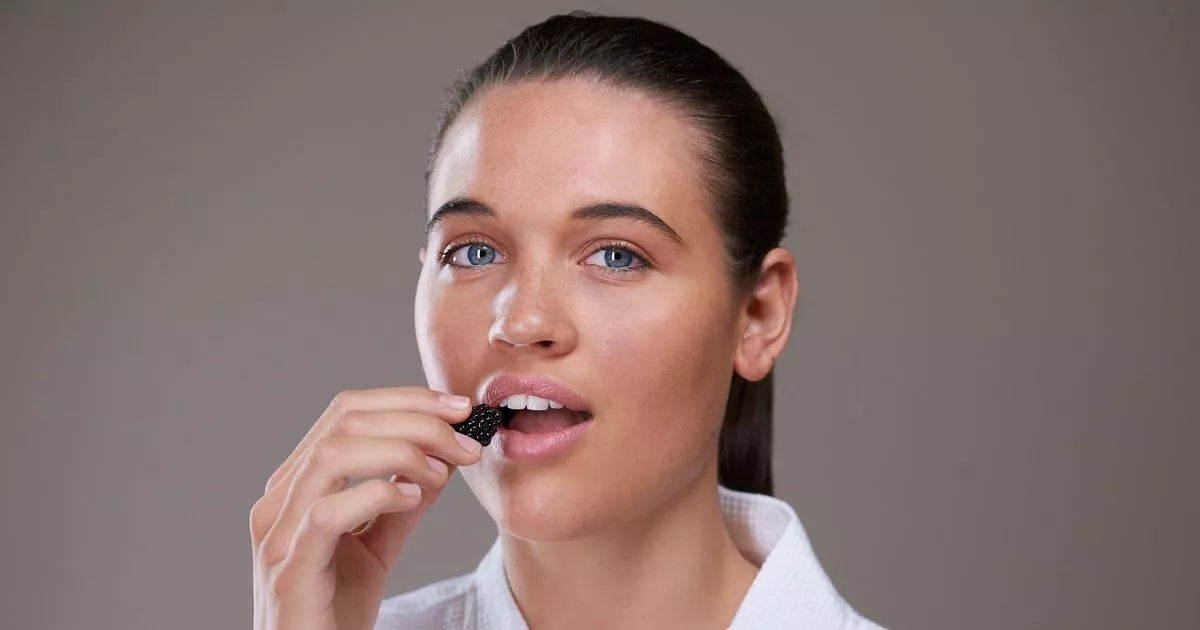
Four foods that 'reverse' biological ageing by years
Scientists have discovered that four common foods could hold the secret to living longer. Regularly consuming these foods could reduce your biological age by more than two years.
While it is impossible to completely prevent the body from ageing, many people look for ways to delay the process as much as possible. Regular exercise and cutting back on certain habits are some of the steps people take to promote longevity.
But a new study has shown how an important a role your diet can take. Published in the journal Ageing, the findings revealed that eating foods rich in polyphenols - naturally occurring compounds in plants - could effectively reverse ageing.
These specific foods are known as 'methyl adaptogens' because the polyphenols they contain have been shown in lab studies to modulate DNA methylation - chemical tags that help regulate how genes are expressed as we age.
The foods highlighted in the study were:
Turmeric
Rosemary
Garlic
Berries
Green tea and oolong tea were also found to have anti-ageing properties. However, it is important to note this isn't to do with looking younger - a reduced biological age comes with a lowered risk of disease and an improved chance of living longer.
The data used by the team came from the Methylation Diet and Lifestyle (MDL) study, which initially reported that participants following a targeted eight-week program lowered their epigenetic age by an average of 3.14 years compared to those who didn't make any lifestyle changes.
The study involved 43 healthy, predominantly white and highly educated men aged between 50 and 72. Participants were randomly allocated to either maintain their usual lifestyle or adhere to a specific regimen that included daily portions of leafy greens, cruciferous vegetables, colourful vegetables, pumpkin and sunflower seeds, lean meats, low-glycaemic fruits, and at least one item from the methyl adaptogen group.
Alcohol, sugar, trans fats, grains, legumes, and dairy were limited. Following an eight-week period, researchers examined DNA methylation in saliva samples to evaluate alterations in epigenetic age.
Although the treatment group lost an average of 4.6 pounds (in contrast to a 0.9-pound increase in the control group), weight loss did not explain the reductions in biological age. Instead, a higher consumption of methyl adaptogens was independently linked with reversing epigenetic age, even after accounting for initial biological age and weight differences.
Study authors wrote: 'In hierarchical linear regression, foods investigated as polyphenolic modulators of DNA methylation (green tea, oolong tea, turmeric, rosemary, garlic, berries) categorised in the original study as methyl adaptogens showed significant linear associations with epigenetic age change, after controlling for baseline epigenetic age acceleration and weight changes.
'Although the intervention group lost significantly more weight than the control group, these changes were not associated with epigenetic age changes in the regression model. These findings suggest that consuming foods categorised as methyl adaptogens may reduce markers of epigenetic ageing.'
Why are these foods so effective?
Researchers noted that polyphenols found in green tea (EGCG), turmeric (curcumin), garlic (allicin), berries (anthocyanins), and rosemary (rosmarinic acid) seem to affect enzymes and pathways associated with ageing. These pathways are frequently disrupted in age-related illnesses, including heart disease, diabetes, neurodegeneration, and cancer.
The team highlighted that even a single daily serving of methyl adaptogens was associated with noticeable reductions in biological ageing markers. But this study did come with some limitations - it was a small, short-term study involving middle-aged men.
The researchers advised that more diverse, long-term trials are necessary to give more weight to the findings. Moreover, lifestyle factors such as meditation and sleep weren't evaluated in this follow-up analysis.

Try Our AI Features
Explore what Daily8 AI can do for you:
Comments
No comments yet...
Related Articles
.jpeg%3Ftrim%3D71%2C0%2C31%2C0%26width%3D1200%26height%3D800%26crop%3D1200%3A800&w=3840&q=100)

The Independent
 18 hours ago
- The Independent
Natural compound found in popular hot drink could protect brain against Alzheimer's, study finds
Scientists have identified two natural compounds that could help reverse ageing in brain cells and remove harmful protein buildup, raising hopes for a non-drug approach to treat Alzheimer's disease. The research, published in the journal GeroScience, identifies two natural compounds, nicotinamide – a form of vitamin B3 – and an antioxidant found in green tea called epigallocatechin gallate, which help restore a key molecule that fuels energy production in brain cells. Researchers found that nerve cells treated with these compounds not only experienced reversal of age -related decline but also an enhanced ability to clear away amyloid protein clusters, a hallmark feature of Alzheimer 's. 'As people age, their brains show a decline in neuronal energy levels, which limits the ability to remove unwanted proteins and damaged components,' said Gregory Brewer, lead author of the study. 'We found that restoring energy levels helps neurons regain this critical cleanup function,' Dr Brewer said. Researchers used a fluorescent molecule to track live guanosine triphosphate levels in neurons from aged mice showing signs of Alzheimer 's. Scientists found that the levels of energy-rich molecules GTP declined with age – particularly in the cells' mitochondria – leading to impaired elimination of cells with damaged components in a process called autophagy. While it is known that autophagy, the cell's natural clean-up process, plays a key role in maintaining the health of tissues and organs, what part of ageing causes impairment in this process remains elusive. When aged nerve cells were treated for just 24 hours with the study molecules nicotinamide and epigallocatechin gallate, the GTP levels were restored to levels typically seen in younger cells. 'Our results reveal age and AD-related neuronal GTP energy deficits that impair autophagy,' scientists wrote. The molecules also improved energy metabolism within these cells, as well as efficient clearance of amyloid beta clusters. 'By supplementing the brain's energy systems with compounds that are already available as dietary supplements, we may have a new path toward treating age-related cognitive decline and Alzheimer's disease,' Dr Brewer said. 'This study highlights GTP as a previously under-appreciated energy source driving vital brain functions,' he added. Researchers cautioned that more studies are required to find the best way to administer the compounds as treatment. A recent study also showed that nicotinamide was not very effective when taken orally due to its inactivation in the bloodstream. However, the findings point to promising strategies to rescue neurons in the brain's hippocampus from energy deficits related to ageing and Alzheimer's disease, researchers say.


Telegraph
3 days ago
- Telegraph
The pioneering therapy that could roll back the rigours of ageing
The clock could be turned back on ageing with a groundbreaking new therapy that aims to recharge cells with 'batteries' from the placenta of newborns. Israel-based Minovia Therapeutics is the first company in the world to start testing mitochondrial transplantation in humans, which could treat incurable diseases and keep bodies younger for longer. Mitochondria are tiny compartments within cells that act like batteries, supplying the cell with the energy it needs to function. In ageing and certain diseases, the mitochondria stop working efficiently, starving the cells of energy, similar to the batteries running down in a machine. But scientists have now shown that it is possible to 'augment' cells with supercharged mitochondria from the placenta. Minovia has already completed clinical trials of the new therapy for patients with Pearson's Syndrome - a mitochondrial disease - and is planning to trial the treatment in elderly people next year. Dr Natalie Yivgi-Ohana, CEO and co-founder of Minovia, said: 'It's actually a very natural process for cells to take up mitochondria when they come in contact with them, but it was usually only one in 1000 cells that would do it. 'In the past 13 years, we've developed a method to maximise cellular take up without harming the cells or the mitochondria, so now more than 50 per cent of cells take up a significant amount of mitochondria. 'We take it from the youngest and healthiest organ, which is the placenta and which is full of super mitochondria and yet it's normally thrown away like garbage. We could find it to be the fountain of youth.' To make the therapy, scientists take the mitochondria from a healthy donated placenta and mix them with blood stem cells, which are then infused back into the patient's bloodstream. Not only do the super mitochondria help to produce more energy in cells, but they also reactivate natural quality control functions inside cells, which keep failing mitochondria at bay. So over time, the level of the body's healthy mitochondria also goes up. Last month, the company released phase 2 results for Pearson Syndrome, which can cause a range of problems in children, including failure to thrive, diabetes and neurological issues. There are currently no approved therapies for the condition, and care is only palliative, with patients dying during childhood. But the new therapy has led to marked improvements. 'Severe energy failure' 'These were all paediatric patients and they suffer severe energy failure, so they are not growing,' added Dr Yivgi-Ohana. 'It took a few months, but we have started observing improvement in their energy and less fatigue, more waking hours. We observed improvement in renal function, improvement in appetite, in growth.' Now the company is turning its attention towards ageing, and is hoping that growing older may one day be seen as a treatable disease. The company is planning to start trials of the treatment for elderly people in Israel next year and is developing biomarkers so they can test whether older people are experiencing mitochondrial dysfunction. It could even help diseases of ageing, such as Parkinson's, which is strongly linked to mitochondrial dysfunction. 'Significant in almost every disease' 'We are all going to suffer mitochondrial disease as we age,' added Dr Yivgi-Ohana. 'Ageing is not considered a disease, but if we have a way to demonstrate that actually, as we age, we become mitochondrially dysfunctional, then that would be the trigger to propose a treatment. 'We want to start next year treating elderly people with mitochondrial dysfunction in longevity clinics and demonstrate that it really helps. ' She added: 'The scalability in terms of the mitochondria is unlimited, there are no limitations of placentas and the amount of mitochondria that we can harvest and cryopreserve.' 'Mitochondria are such powerful organelles, and they can transfer between cells, so their sensing and their information transfer is so significant in almost every disease that you will look at.'


The Sun
4 days ago
- The Sun
10 best SPF moisturisers for men 2025 UK, tried and tested
PEOPLE happily spend hundreds of pounds trying to wind back the clock on the signs of ageing. However, the inconvenient truth is that prevention is the best cure — and an SPF moisturiser is the easiest method. 1 Unfortunately, most men aren't in a rush to apply sunscreen, with American CDC figures suggesting that only 12.3% of men in the U.S. always use sunscreen when outside on a sunny day for more than an hour. We spoke to Dr Derrick Phillips, a Consultant Dermatologist and official spokesperson for The British Skin Foundation, who says: "Lower rates of SPF use are something I frequently see amongst my male patients. "We need to shift the perception that sunscreen is only for summer or beach holidays; it should be a daily staple, just like brushing your teeth. "Consistent protection is key to reducing long-term risks of sun damage and skin cancer." An SPF moisturiser is an easy, hassle-free way to ensure you're protected (although it's important to remember to bolster it with a high-factor sunscreen when it's really beating down). The best SPF moisturisers have none of the sticky or greasy qualities associated with cheap sunscreen, and deliver a host of nourishing benefits as well as sun protection. We've tested out a range of the best products below, at a range of price points. Kiehl's Ultra Facial Cream SPF30 Ultra Facial Cream SPF30 (50ml), £37 from Kiehl's Pros: Quick absorption, heavenly texture, inclusion of ingredients like squalene and Antarcticine Cons: Expensive Rating: 10/10 This isn't just our favourite SPF moisturiser — it's one of the best skincare products we've ever used. It's a variation of Kiehl's best-selling Ultra Facial Cream, which the brand claims sells once every 30 seconds in the US. This version contains all of the things that have made the original a cult favourite — its unctuous texture, quick absorption and the inclusion of ingredients like squalene, which has hydrating and softening qualities, and Antarcticine, a protein found in bacteria in Antarctica that increases the cream's effectiveness in cold conditions. The quick absorption is especially crucial in warm weather, preventing you from showing up at work a sweaty mess. Add SPF30 into the mix, and you're onto a summer must-have. A little goes a long way, too, making its admittedly off-putting price tag a little easier to handle. CeraVe Creme Hydratante Visage SPF50 CeraVe AM Facial Moisturising Lotion (52ml), £16.50 £11.75 from Amazon BUY HERE Pros: Hydrating, non-greasy, feels more like a moisturiser than a suncream, affordable, often on sale Cons: Nothing big — it doesn't feel massively luxurious Rating: 9/10 Experts recommend using SPF moisturiser year-round, applying it liberally and reapplying it often, meaning that regular restocks are necessary. Spending £20 or £30 per purchase (or even £100, in the case of Elemis, below), isn't realistic for many people. If affordability is at the top of your criteria, CeraVe's Creme Hydrante Visage is the one to go for. It usually retails for £16.50 for a 52ml tube, but you can often get it discounted at retailers like Amazon, where it's currently available for a very reasonable £11.75. Crucially, it feels a lot more like a moisturiser than an SPF, with a non-sticky, non-greasy texture that feels mega-hydrating; it'd be the perfect option for people who suffer from dry skin. Amazon reviewers agree, with one writing: 'The product is excellent — light, high SPF, and absorbs quickly. As a man in my 40s who dislikes heavy creams, it's ideal. One quick squirt, dab, and smear — done.' COSRX Aloe Soothing Sun Cream SPF50 COSRX Aloe Soothing Sun Cream SPF50 (50ml), £13.15 £11.77 from Amazon BUY HERE Don't you love it when premium products have affordable price tags? In testing, we loved CORSX''s Aloe Soothing Sun Cream for doing everything we hoped it would. The Korean skincare company is most famous for its suspicious-sounding Snail Serum, which contains anti-ageing " snail mucin". Thankfully, there's nothing so suspect here; the most unusual ingredient you'll find is aloe vera, which will help soothe your skin if you've already picked up a bit of sunburn. It provides SPF50 to prevent skin damage, absorbs easily into your skin, and smells great in the process. What more could you ask for? Elemis Pro-Collagen Marine Cream SPF30 ELEMIS Pro-Collagen Marine Cream SPF30 (50ml), £98 £90.25 from Amazon Pros: Feels luxurious and hydrating, anti-ageing properties, superstar ingredients, visible brightening and plumping effect on skin Cons: Heinously expensive Rating: 9/10 Elemis describes its Pro Collagen Marine Cream as the product 'that started it all' — launched in 2003, it's the holy grail that helped the brand make a name for itself. It stands out for two key reasons. The first is its texture; while it doesn't have the fatty, unctuous texture of the Kiehl's (which we admittedly prefer), it has a lighter, wetter, gel-like texture that you can immediately tell will be super-hydrating. It's a far cry from the sticky texture you might expect from something containing SPF. The second standout feature is that it's extremely, extremely hydrating, which is a welcome relief — this is the product we found ourselves turning to in summer, when we experienced dryer skin as a result of sleeping in front of a fan. That's largely down to its star ingredient, Padina Pavonica, which is a macroalgae found on the Mediterranean coast. It has a high concentration of molecules called polysaccharides, which are prized for their ability to attract water — they essentially increase the skin's ability to find and retain moisture. Independent — but small-scale — clinical trials have also found that the cream can reduce the appearance of fine lines and wrinkles in as little as two weeks, meaning that this cream isn't just preventing further signs of ageing, but actively reversing existing ones, too. And we have to admit, we did see a visible difference in the plumpness of our skin, especially after repeated use. However, you'll have to pay for the privilege; the 50ml tub that we tested costs a mammoth £98 when full-price, and even the tiny 15ml version will run you £38. However, you can sometimes find some discounts around Black Friday, so it's worth keeping an eye out. Malin + Goetz SPF30 High Protection Sunscreen Malin + Goetz SPF30 High Protection Sunscreen (50ml), £35 from Space NK BUY HERE Cons: It is quite thick Rating: 8.5/10 This sunscreen from Malin + Goetz isn't a moisturiser, but rather a sunscreen with enough moisturising properties to be classed as a 2-in-1 product. It's a mineral sunscreen, which can often be better suited for people with sensitive skin who find that chemical sunscreens cause irritation, as it uses titanium dioxide for a physical sun barrier rather than a chemical component. When you squeeze it out, it is a slightly spooky shade of yellow, but it absorbs extremely quickly without leaving any white residue. It's also water-resistant, and we found it offered great protection even on days when we were out in the sun all day. Kiehl's Ultra Light Daily UV Defense Aqua Gel Ultra Light Daily UV Defense Aqua Gel (30ml), £34 from Kiehl's BUY HERE Pros: Absorbs quickly, non-greasy, good for oily skin Cons: Texture is slightly more sunscreen-like than we'd want, pricey Rating: 7.5/10 There are two products in Kiehl's not-very-succinctly-named Ultra Light Daily UV Defense range: an Aqua Gel and a Sunscreen. We tried both, put preferred the Aqua Gel because of its slightly silkier texture and easy absorption. However, both products offer ample protection from UVA and UVB rays, with PA++++ and SPF50 ratings. Most men don't wear makeup, but if you happen to be sharing this with a partner, it might also be useful to know that reviewers really rate the Aqua Gel as a base layer for applying makeup. Truthfully, we don't think either product holds a candle to the Ultra Facial Cream SPF30 — both feel slightly too close to sunscreen, texture-wise — but if you're on the lookout for extra sun protection from a trusted brand, this could be the one for you. Rock Face SPF20 BUY HERE Cons: Low SPF Rating: 7.5/10 It's nice to find a product that works like a premium product at a fraction of the price, and this Rock Face moisturiser fits the bill. It smells great and absorbs easily, without leaving your skin feeling sticky or pasty white afterwards. It's exactly the sort of thing you'd be happy to slap on in the morning and leave you feeling fresh going into the day. Plus, you get 100ml, so it'll keep you going for a while. However, its SPF rating is a bit low for us to feel okay using it every day. Bulldog Anytime Daily UV Moisturiser SPF 50 Bulldog Anytime Daily UV Moisturiser SPF 50 (75ml), £17.99 £11.98 from Superdrug BUY HERE Pros: SPF50 rating, PA++++ rating helps to combat signs of ageing, affordable and often on sale Cons: Sticky, suncream-like texture, slow absorption Rating: 6.5/10 In the nearly two decades since it first launched, Bulldog has made itself synonymous with affordable men's skincare in the UK. Priced at £18 but often on sale for closer to £12, this sticks to the brand's tried-and-tested blueprint: no-nonsense branding, effective formula and affordable price tag. It's rated PA++++, the highest possible rating of defence against UVA rays, which are responsible for unfortunate things like premature ageing, wrinkles and collagen breakdown. And with an SPF50 rating, it's also well-equipped to protect against the sinister effects of UVB rays, which include sunburn and skin cancer. It also contains bonus ingredients like vitamin E, which helps hydrate the skin. However, in practice, we weren't fully sold on it — it has the tackiness that we associate with cheap suncream, and it took a while to fully absorb, meaning it was easy to get sweaty if the product was applied in a hurry. It's undoubtedly effective, though, so if you're after a moisturiser that does the job without burning a hole in your pocket, you can do worse than this. Harry's Daily Face Lotion Harry's Men's Face Lotion SPF15 (50ml), £6 from Boots BUY HERE Pros: Very affordable, non-greasy, fresh minty scent Cons: SPF15 rating would be classed as insufficient by most experts Rating: 6/10 After the success of its collection of shaving products, it's only natural that grooming brand Harry's would move on to skincare products. At just £6, this is one of the most affordable products we tested, and in many ways it's good value for money; it's made with soothing shea butter, for example, and it's got a refreshing mint scent that is nice and invigorating to use first thing in the morning. It's also quite pleasant to use, feeling more like a moisturiser than a suncream, and it absorbs pretty quickly. However, the NHS recommends using products with an SPF30 rating or higher — most dermatologists would tell you to use SPF50 — so as far as sun protection is concerned, this isn't doing enough. For its price, texture and scent, it'd be a nice daily moisturiser, but we wouldn't rely on this during the sunniest parts of the year. Clinique For Men Super Energizer SPF40 Anti-Fatigue Clinique For Men Super Energizer SPF40 Anti-Fatigue Hydrating Concentrate, £37.95 £34.25 from Amazon BUY HERE Pros: High SPF protection, gives a healthy glow, absorbs easily Cons: Not water-resistant, not vegan Rating: 7/10 Want to keep your skin protected and look less tired in the summer months? We think Super Energizer from Clinique fits the bill. Our reviewer doesn't suffer from a particularly tired-looking face, so it was tricky to test its anti-fatigue properties, but we did like the healthy glow it gave afterwards. It absorbs very easily and leaves only a light sheen on the skin, which could be responsible for the anti-fatigue effect. It's sweat-proof, too, so you can wear it on the run and in our testing it absorbed incredibly well and smelled great.
