


Twin cities see sharp rise in seasonal ailments
Residents of Rawalpindi and Islamabad are facing a surge in seasonal illnesses, as the unusual combination of monsoon rains, humidity, and lingering heat has triggered a sharp rise in infections across the twin cities.
Cases of throat infections, flu, coughs, colds, allergies, ear–nose–throat complaints, and fever-related conditions have risen significantly. Reports of gastric and abdominal disorders are also becoming more common.
Allied hospitals in Rawalpindi are seeing long queues of patients suffering from such ailments, including men, women, and children. Within the past 24 hours alone, a total of 3,160 patients were treated at the three allied hospitals — Holy Family Hospital, District Headquarters Hospital, and Benazir Bhutto General Hospital. All were provided medical treatment and medication before being discharged.
Poor sanitation, particularly in low-lying areas where rainwater collects, has further exacerbated the situation. Streets filled with sewage waste and debris have created breeding grounds for disease.
Private neighbourhood clinics are also profiting from the surge in seasonal illnesses. Doctors at these facilities are reportedly administering glucose drips to patients with gastric complaints upon arrival, often at considerable cost.
A standard prescription typically includes an injection, coloured vials (yellow, green, and red), along with capsules and tablets, for which patients are charged around Rs450. Where a drip is given, fees range from Rs1,200 to Rs1,500.
Ear infections, nasal congestion, and allergies are affecting both men and women, while young children are proving especially vulnerable to throat, stomach, and ear-related illnesses. Doctors caution that cold drinks exacerbate throat problems, and unhygienic street food further heightens health risks.
Dr Inayat, Deputy Medical Superintendent of BBH, has advised citizens to exercise particular care during this seasonal transition.
He recommended that people avoid chilled water, cold drinks, and energy beverages; refrain from excessive ice cream and overripe fruits; drink herbal tea regularly; use face masks consistently; avoid overly spicy or oily food; and consume lemonade and sweet foods in moderation; wear full-sleeved shirts and trousers in the evenings to guard against dengue and common mosquitoes; avoid shorts or half-sleeved clothing in open green spaces; add onions, lemons, coriander, and ginger to meals; and drink lukewarm water with meals and as part of a daily routine for better health.

Try Our AI Features
Explore what Daily8 AI can do for you:
Comments
No comments yet...
Related Articles


Express Tribune
 a day ago
- Express Tribune
Healthcare lapses uncovered at HFH
The Special Monitoring Unit (SMU) of the Punjab government has recently detected serious deficiencies in patients' treatment, sanitation, and overall management at Holy Family Hospital (HFH), the largest health facility in Rawalpindi. The hospital has been reopened following a year-long closure and Rs3.6 billion revamp. A detailed report outlining its shortcomings has been submitted to the Chief Minister of Punjab. The seven-point report identifies significant negligence and mismanagement across the hospital's healthcare and administrative systems. It highlights failures in patient safety, hygiene, facilitation, and staff accountability. Despite medicines being available in the pharmacy, patients were reportedly compelled to purchase drugs from external medical stores. The report lists the names and contact details of 16 such patients, along with the names of the prescribing doctors. The monitoring team described the hospital's sanitation system as deplorable, warning of an increased risk of infection. Instances of unsterilised medical equipment were recorded, and floors were found dirty, with wastewater accumulating in areas, further endangering patients. In the pathology laboratory, fungal growth was observed, and peeling paint and plaster were noted. The report warns that such conditions could compromise test results. Patient service delivery was described as "extremely poor." In the Outpatient Department (OPD), many toilets were either locked or in unsanitary condition. Separate counters for male and female patients were non-functional, and services, which are scheduled to operate until 1pm, were found to have ceased at 11:47am. Patients were often forced to sit on corridor floors due to inadequate seating arrangements. Staff absenteeism was also highlighted as certain employees were recorded as present but were found absent from duty, with no disciplinary action taken. Only the main pharmacy was confirmed to maintain proper stock levels and refrigeration. Further delays and negligence were reported in the investigation of critically ill patients, with timely care lapses observed. Overcharging was noted at the hospital canteen, where a chapati was sold for Rs20 and a 500 ml bottle of water for Rs60 - rates significantly above market prices. The report concludes by emphasising the urgent need for corrective action to restore proper patient care and management at HFH. Last week, the Special Monitoring Unit's inspection report had revealed serious mismanagement, financial irregularities, patient exploitation, and a systemic breakdown of governance at Benazir Bhutto Hospital (BBH), Rawalpindi. The findings were submitted to the CM, accompanied by recommendations for urgent reforms. The report described the state of healthcare delivery and basic facilities at the hospital as "extremely poor". Inspectors found that the majority of doctors and paramedical staff were absent, while ICU patients were left lying on bloodstained beds without the supervision of either doctors or nurses. Despite overwhelming crowds in the Emergency and Outpatient Departments, only two service counters were operational. It was further revealed that 80% of prescribed medicines were unavailable, compelling patients to purchase them from outside. Government-supplied drugs were missing from the pharmacy, while cartons of expired medicines were discovered on-site. Members of staff were found soliciting bribes from patients, including at token counters where payments were demanded in exchange for services. In one case, a patient was asked to pay Rs90,000 to avoid queues and obtain surgery. The inspection team also observed doctors and nurses distracted by mobile phones during duty hours, while pharmaceutical companies appeared to wield undue influence. Promotional brochures and calendars of pharmaceutical firms were found displayed in the office of the Medical Superintendent (MS).
Express Tribune
a day ago
- Express Tribune
Twin cities see sharp rise in seasonal ailments
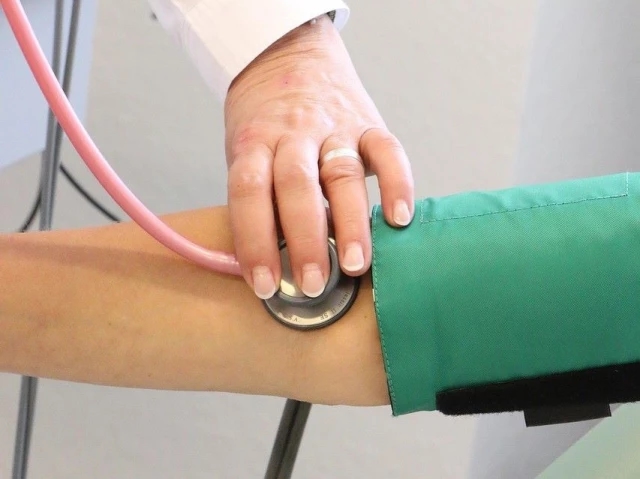
Private neighbourhood clinics are also profiting from the surge in seasonal illnesses. PHOTO :PIXABAY Residents of Rawalpindi and Islamabad are facing a surge in seasonal illnesses, as the unusual combination of monsoon rains, humidity, and lingering heat has triggered a sharp rise in infections across the twin cities. Cases of throat infections, flu, coughs, colds, allergies, ear–nose–throat complaints, and fever-related conditions have risen significantly. Reports of gastric and abdominal disorders are also becoming more common. Allied hospitals in Rawalpindi are seeing long queues of patients suffering from such ailments, including men, women, and children. Within the past 24 hours alone, a total of 3,160 patients were treated at the three allied hospitals — Holy Family Hospital, District Headquarters Hospital, and Benazir Bhutto General Hospital. All were provided medical treatment and medication before being discharged. Poor sanitation, particularly in low-lying areas where rainwater collects, has further exacerbated the situation. Streets filled with sewage waste and debris have created breeding grounds for disease. Private neighbourhood clinics are also profiting from the surge in seasonal illnesses. Doctors at these facilities are reportedly administering glucose drips to patients with gastric complaints upon arrival, often at considerable cost. A standard prescription typically includes an injection, coloured vials (yellow, green, and red), along with capsules and tablets, for which patients are charged around Rs450. Where a drip is given, fees range from Rs1,200 to Rs1,500. Ear infections, nasal congestion, and allergies are affecting both men and women, while young children are proving especially vulnerable to throat, stomach, and ear-related illnesses. Doctors caution that cold drinks exacerbate throat problems, and unhygienic street food further heightens health risks. Dr Inayat, Deputy Medical Superintendent of BBH, has advised citizens to exercise particular care during this seasonal transition. He recommended that people avoid chilled water, cold drinks, and energy beverages; refrain from excessive ice cream and overripe fruits; drink herbal tea regularly; use face masks consistently; avoid overly spicy or oily food; and consume lemonade and sweet foods in moderation; wear full-sleeved shirts and trousers in the evenings to guard against dengue and common mosquitoes; avoid shorts or half-sleeved clothing in open green spaces; add onions, lemons, coriander, and ginger to meals; and drink lukewarm water with meals and as part of a daily routine for better health.

Express Tribune
4 days ago
- Express Tribune
Soaring ambulance costs drive patients to cheaper transport
Patients are ferried to hospitals in loader rickshaws as ambulance services become a luxury beyond the reach of many. PHOTO: EXPRESS A patient from Defence Bhutta Chowk, suffering from a broken leg, was taken from hospital to home on a bed placed inside a loader rickshaw. The patient, a daily wage labourer and the sole breadwinner for his family, said he had been bedridden for 20 days. When he needed to travel to the hospital, he contacted private ambulance services, who quoted Rs6,500 for a one-way trip. Unable to afford the fare, he asked his brotherwho drives a loader rickshawto take him instead. Despite his brother's warning that the journey would be uncomfortable, the patient said he preferred to endure the pain rather than pay the high ambulance cost. After the hospital visit, he inquired about fares from Edhi, Chhipa and private ambulances for the return trip. They quoted around Rs3,500, while the loader rickshaw journey cost less than Rs1,000 in fuel. He estimated the round trip was about 20 kilometres and said using an ambulance would have cost him nearly Rs10,000 - an amount far beyond his means. The case highlights a broader issue: both private and welfare ambulance services such as Edhi and Chhipa charge per kilometre, which makes them unaffordable for low-income patients despite being funded by public donations. Comparisons have been drawn with ride-hailing services like Careem, Uber, and inDrive, which provide similar-distance trips for a few hundred rupees, sometimes with promotional discounts, while still paying drivers and earning profits. Public criticism has also been directed at the government's Rescue 1122 ambulance service. Officials state they only transport patients from accident scenes or in emergencies to hospitals, and not from homes for non-emergency situations. Citizens have alleged that the service often fails to meet its stated 7.5-minute response time. Health rights advocates say the government should ensure the provision of free or low-cost ambulance services for underprivileged patients, given that public funds through taxes pay for state operations.
