


Latest news with #Democratic-sponsored

Newsweek
 23-06-2025
- Politics
- Newsweek
Democrat Edges Republican Incumbent in New Iowa Poll
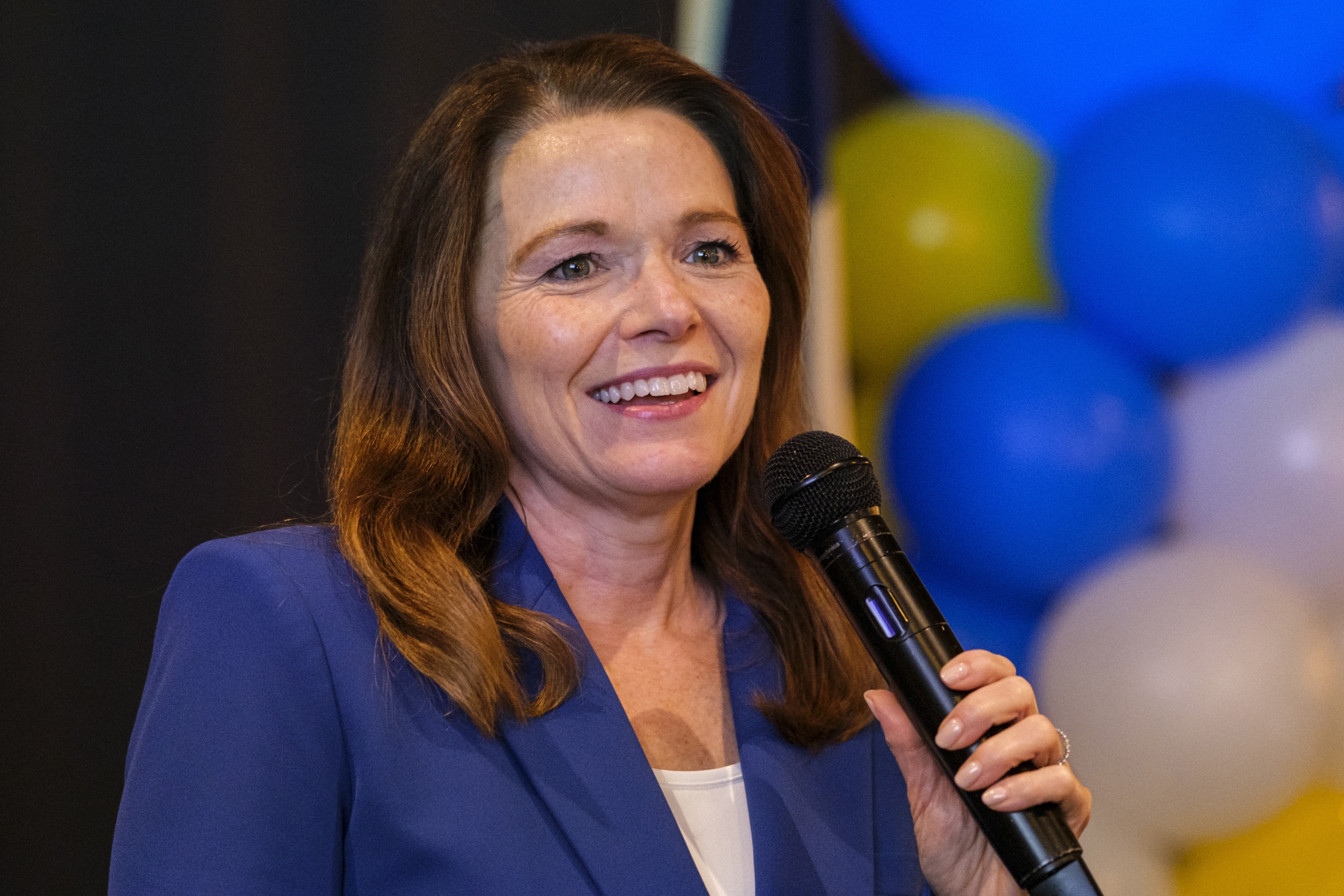
Based on facts, either observed and verified firsthand by the reporter, or reported and verified from knowledgeable sources. Newsweek AI is in beta. Translations may contain inaccuracies—please refer to the original content. Democrat Christina Bohannan held a lead over Republican Representative Mariannette Miller-Meeks in a new Democratic-sponsored poll of Iowa's First Congressional District, according to Politico. Why It Matters Bohannan nearly unseated Miller-Meeks in 2024, losing by only 799 votes despite President Donald Trump carrying the district by more than 8 percentage points. It was among the closest races and went to a recount. Bohannan announced last week she is taking on Miller-Meeks for a third time in hopes of flipping the seat in the 2026 midterms. The election will likely become one of the most competitive races as Democrats aim to regain control of the House, particularly if Trump's falling approval rating fuels a 2018-style "blue wave." Democratic congressional candidate Christina Bohannan speaks to supporters during an election night watch party in Iowa City, Iowa, on November 5, 2024. Democratic congressional candidate Christina Bohannan speaks to supporters during an election night watch party in Iowa City, Iowa, on November 5, 2024. Nick Rohlman/The Gazette via AP What To Know Politico reported a new poll of the district showing Bohannan with an early lead over the incumbent Republican. The internal poll was conducted by Public Policy Polling and commissioned by the House Majority PAC. Bohannan received 43 percent support to 39 percent for Miller-Meeks, while 18 percent were undecided. Bohannan told Newsweek that the poll is a "reflection of what we are seeing in the district." "Hundreds of people reached out to me asking me to run again. That's why we launched our campaign last week," Bohannan said. "People are very fed up with what they are seeing with Representative Miller-Meeks and what's happening in Washington, D.C. She has voted three times to protect the tariffs that are hurting Iowa's farmers and hurting everyday people with increasing the cost of everything from groceries to lumber." Internal polls are sometimes viewed as less reliable than independent polls, as they are typically selectively released by those who sponsor them. No independent polls have been conducted for the race, but analysts view the district as a toss-up. The poll surveyed 555 voters in the district from June 18-19, Politico reported. Newsweek also reached out to Miller-Meeks' campaign via email for comment. Bohannan's campaign wrote in a press statement last week that her campaign raised more than $500,000 in the first day after launching her run, underscoring how competitive the race may be. The district includes much of the southeast areas of Iowa, ranging from Des Moines suburbs to Davenport and Iowa City, as well as much of the rural areas across the region. It's illustrative of the sort of rural district Democrats once did well in but have struggled in recent elections. Democrats view Bohannan as a strong recruit, pointing to her strong showing in the district compared to former Vice President Kamala Harris in 2024. They are hoping that performance, along with a more favorable national environment, could propel her to victory next November. What People Are Saying Katarina Flicker, House Majority PAC press secretary, on X, formerly Twitter: "NEW POLLING commissioned by @HouseMajPAC finds Dem candidate Christina Bohannan leading GOP Rep. Mariannette Miller-Meeks (IA-01) in what is expected to be one of the most competitive congressional races of the 2026 cycle NRCC Spokeswoman Emily Tuttle, in a statement after Bohannan announced her campaign: "When will Christina learn? Iowans have rejected her twice already, and now she has to run to the left to beat radical Bob Kraus and Bernie-bro Travis Terrell in the primary. There's no doubt whoever comes out of this liberal rat race will be sent packing when Iowans re-elect America First fighter Mariannette Miller-Meeks next fall." What Happens Next Bohannan will compete in the primary on June 2, 2026. The general election is set for November 3, 2026. The Cook Political Report currently classifies the race as a pure toss-up.

04-06-2025
- Business
Cyber charter schools in Pennsylvania would see funding cut under bill passed by the state House
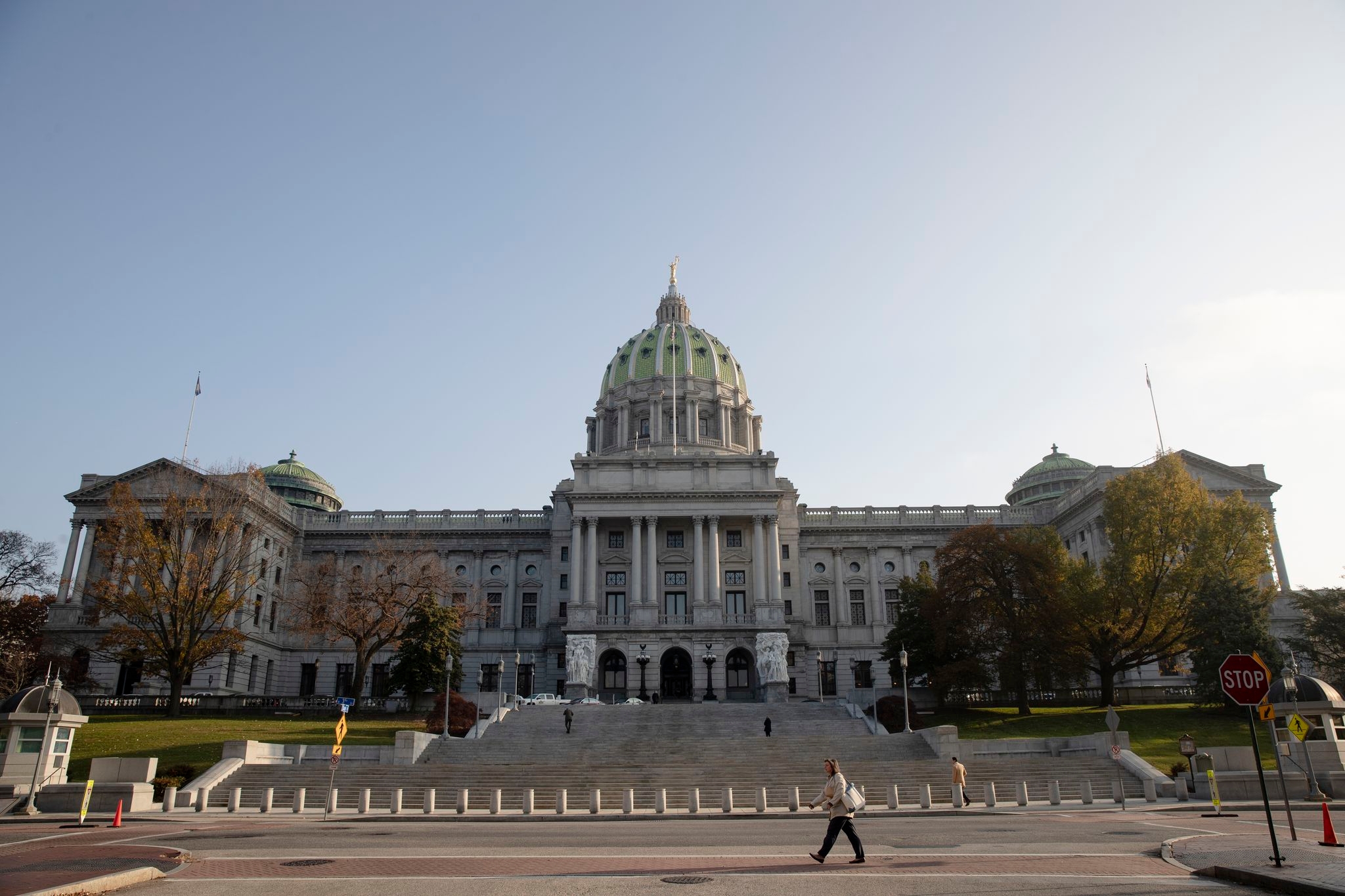
HARRISBURG, Pa. -- A Democratic-sponsored proposal to limit per-student payments to Pennsylvania's cyber charter schools and make other changes to how they operate narrowly passed the state House on Wednesday over Republican objections that it would imperil the online learning programs. The 104-98 vote, with only two Republicans in favor, sets down a marker on the perennially contentious issue of school funding as state lawmakers work to complete the coming year's state budget for the fiscal year that starts in July. The bill's $8,000 limit on how much public school districts would have to reimburse the cyber charters was the central piece of the sprawling legislation and would be a boost to the districts and the property tax payers who bear much of the cost of public education in Pennsylvania. There currently is no cap for the districts' payments to cyber charters, an amount now linked to how much districts spent on their own students in the prior year. Supporters said changes to the cyber charter rules are widely backed among the state's 500 school boards and that cyber school spending has been the subject of critical reviews, including recently by Republican Auditor General Tim DeFoor. But opponents defended the existing system as a critical lifeline to the students and families that for various reasons have sought alternatives to traditional schools. The bill would set annual tuition payments from school districts to cyber charters at $8,000 per student, with potential yearly increases. Special education funding would also see changes. Cyber charters would not be able to maintain cash balances above 12% of their spending and would not be able to provide payments or gifts to parents as incentives to enroll their children. The bill would bolster disclosure requirements regarding cyber charters' policies, instructional materials and budgets. It would bar the state Education Department from approving any additional cyber charter schools through the 2029-30 school year. A new Cyber Charter School Funding and Policy Council would be set up to make recommendations concerning enrollment, governance and funding. During floor debate Wednesday, Rep. Martina White, a Philadelphia Republican, said the measure will 'close real schools, displace real students, strip families of the very choices that they depend on to give their children a chance at success.' The moratorium would be highly damaging to cyber charters, said Rep. Craig Williams, a Delaware County Republican. 'You limit the number of cyber charters now in existence, you choke off its funding, and eventually you can kill cyber charter. Sixty-plus thousand students in our school system, finding another way to learn, and we're going to choke it off with this bill,' Williams said. The chair of the House Education Committee, Lehigh County Democratic Rep. Peter Schweyer, enumerated cyber charter spending issues raised in the auditor general's report, including staff bonuses, gift cards, vehicle payments and fuel stipends. 'Gift cards?' Schweyer asked his colleagues. 'We would all get in trouble if we were taking gift cards as part of our compensation.' Leaders of existing public cyber charter schools say the measure would cut their funding by about $450 million or more across the state, with a third of the total reductions targeting special education student reimbursements. A Democratic analysis put the figure at more than $600 million. About 65,000 Pennsylvania students currently attend the state's 14 public cyber charter schools, which are public, nonprofit corporations. They do not have to follow all of the requirements mandated of public schools under state law. Cyber charter school are considered independent public schools, approved to operate with a 'charter' issued by the Education Department. They use technology to provide much of the teaching. Students usually do not need to attend a physical location beyond certain events, such as standardized testing. The proposal was sent over to the Republican majority state Senate for its consideration. The bill becomes part of a wider negotiations to determine the budget before lawmakers recess for the summer.


Hamilton Spectator
04-06-2025
- Business
- Hamilton Spectator
Cyber charter schools in Pennsylvania would see funding cut under bill passed by the state House
HARRISBURG, Pa. (AP) — A Democratic-sponsored proposal to limit per-student payments to Pennsylvania's cyber charter schools and make other changes to how they operate narrowly passed the state House on Wednesday over Republican objections that it would imperil the online learning programs. The 104-98 vote , with only two Republicans in favor, sets down a marker on the perennially contentious issue of school funding as state lawmakers work to complete the coming year's state budget for the fiscal year that starts in July. The bill's $8,000 limit on how much public school districts would have to reimburse the cyber charters was the central piece of the sprawling legislation and would be a boost to the districts and the property tax payers who bear much of the cost of public education in Pennsylvania. There currently is no cap for the districts' payments to cyber charters, an amount now linked to how much districts spent on their own students in the prior year. Supporters said changes to the cyber charter rules are widely backed among the state's 500 school boards and that cyber school spending has been the subject of critical reviews, including recently by Republican Auditor General Tim DeFoor. But opponents defended the existing system as a critical lifeline to the students and families that for various reasons have sought alternatives to traditional schools. The bill's main provisions The bill would set annual tuition payments from school districts to cyber charters at $8,000 per student, with potential yearly increases. Special education funding would also see changes. Cyber charters would not be able to maintain cash balances above 12% of their spending and would not be able to provide payments or gifts to parents as incentives to enroll their children. The bill would bolster disclosure requirements regarding cyber charters' policies, instructional materials and budgets. It would bar the state Education Department from approving any additional cyber charter schools through the 2029-30 school year. A new Cyber Charter School Funding and Policy Council would be set up to make recommendations concerning enrollment, governance and funding. What did lawmakers say about it? During floor debate Wednesday, Rep. Martina White, a Philadelphia Republican, said the measure will 'close real schools, displace real students, strip families of the very choices that they depend on to give their children a chance at success.' The moratorium would be highly damaging to cyber charters, said Rep. Craig Williams, a Delaware County Republican. 'You limit the number of cyber charters now in existence, you choke off its funding, and eventually you can kill cyber charter. Sixty-plus thousand students in our school system, finding another way to learn, and we're going to choke it off with this bill,' Williams said. The chair of the House Education Committee, Lehigh County Democratic Rep. Peter Schweyer, enumerated cyber charter spending issues raised in the auditor general's report , including staff bonuses, gift cards, vehicle payments and fuel stipends. 'Gift cards?' Schweyer asked his colleagues. 'We would all get in trouble if we were taking gift cards as part of our compensation.' The money at stake Leaders of existing public cyber charter schools say the measure would cut their funding by about $450 million or more across the state, with a third of the total reductions targeting special education student reimbursements. A Democratic analysis put the figure at more than $600 million. What are public cyber charter schools? About 65,000 Pennsylvania students currently attend the state's 14 public cyber charter schools, which are public, nonprofit corporations. They do not have to follow all of the requirements mandated of public schools under state law. Cyber charter school are considered independent public schools, approved to operate with a 'charter' issued by the Education Department. They use technology to provide much of the teaching. Students usually do not need to attend a physical location beyond certain events, such as standardized testing. What happens now? The proposal was sent over to the Republican majority state Senate for its consideration. The bill becomes part of a wider negotiations to determine the budget before lawmakers recess for the summer. Error! Sorry, there was an error processing your request. There was a problem with the recaptcha. Please try again. You may unsubscribe at any time. By signing up, you agree to our terms of use and privacy policy . This site is protected by reCAPTCHA and the Google privacy policy and terms of service apply. Want more of the latest from us? Sign up for more at our newsletter page .

San Francisco Chronicle
04-06-2025
- Business
- San Francisco Chronicle
Cyber charter schools in Pennsylvania would see funding cut under bill passed by the state House
HARRISBURG, Pa. (AP) — A Democratic-sponsored proposal to limit per-student payments to Pennsylvania's cyber charter schools and make other changes to how they operate narrowly passed the state House on Wednesday over Republican objections that it would imperil the online learning programs. The 104-98 vote, with only two Republicans in favor, sets down a marker on the perennially contentious issue of school funding as state lawmakers work to complete the coming year's state budget for the fiscal year that starts in July. The bill's $8,000 limit on how much public school districts would have to reimburse the cyber charters was the central piece of the sprawling legislation and would be a boost to the districts and the property tax payers who bear much of the cost of public education in Pennsylvania. There currently is no cap for the districts' payments to cyber charters, an amount now linked to how much districts spent on their own students in the prior year. Supporters said changes to the cyber charter rules are widely backed among the state's 500 school boards and that cyber school spending has been the subject of critical reviews, including recently by Republican Auditor General Tim DeFoor. But opponents defended the existing system as a critical lifeline to the students and families that for various reasons have sought alternatives to traditional schools. The bill's main provisions The bill would set annual tuition payments from school districts to cyber charters at $8,000 per student, with potential yearly increases. Special education funding would also see changes. Cyber charters would not be able to maintain cash balances above 12% of their spending and would not be able to provide payments or gifts to parents as incentives to enroll their children. The bill would bolster disclosure requirements regarding cyber charters' policies, instructional materials and budgets. It would bar the state Education Department from approving any additional cyber charter schools through the 2029-30 school year. A new Cyber Charter School Funding and Policy Council would be set up to make recommendations concerning enrollment, governance and funding. What did lawmakers say about it? During floor debate Wednesday, Rep. Martina White, a Philadelphia Republican, said the measure will 'close real schools, displace real students, strip families of the very choices that they depend on to give their children a chance at success.' The moratorium would be highly damaging to cyber charters, said Rep. Craig Williams, a Delaware County Republican. 'You limit the number of cyber charters now in existence, you choke off its funding, and eventually you can kill cyber charter. Sixty-plus thousand students in our school system, finding another way to learn, and we're going to choke it off with this bill,' Williams said. The chair of the House Education Committee, Lehigh County Democratic Rep. Peter Schweyer, enumerated cyber charter spending issues raised in the auditor general's report, including staff bonuses, gift cards, vehicle payments and fuel stipends. 'Gift cards?' Schweyer asked his colleagues. 'We would all get in trouble if we were taking gift cards as part of our compensation.' The money at stake Leaders of existing public cyber charter schools say the measure would cut their funding by about $450 million or more across the state, with a third of the total reductions targeting special education student reimbursements. A Democratic analysis put the figure at more than $600 million. What are public cyber charter schools? About 65,000 Pennsylvania students currently attend the state's 14 public cyber charter schools, which are public, nonprofit corporations. They do not have to follow all of the requirements mandated of public schools under state law. Cyber charter school are considered independent public schools, approved to operate with a 'charter' issued by the Education Department. They use technology to provide much of the teaching. Students usually do not need to attend a physical location beyond certain events, such as standardized testing. What happens now?
Yahoo
04-06-2025
- Business
- Yahoo
Cyber charter schools in Pennsylvania would see funding cut under bill passed by the state House
HARRISBURG, Pa. (AP) — A Democratic-sponsored proposal to limit per-student payments to Pennsylvania's cyber charter schools and make other changes to how they operate narrowly passed the state House on Wednesday over Republican objections that it would imperil the online learning programs. The 104-98 vote, with only two Republicans in favor, sets down a marker on the perennially contentious issue of school funding as state lawmakers work to complete the coming year's state budget for the fiscal year that starts in July. The bill's $8,000 limit on how much public school districts would have to reimburse the cyber charters was the central piece of the sprawling legislation and would be a boost to the districts and the property tax payers who bear much of the cost of public education in Pennsylvania. There currently is no cap for the districts' payments to cyber charters, an amount now linked to how much districts spent on their own students in the prior year. Supporters said changes to the cyber charter rules are widely backed among the state's 500 school boards and that cyber school spending has been the subject of critical reviews, including recently by Republican Auditor General Tim DeFoor. But opponents defended the existing system as a critical lifeline to the students and families that for various reasons have sought alternatives to traditional schools. The bill's main provisions The bill would set annual tuition payments from school districts to cyber charters at $8,000 per student, with potential yearly increases. Special education funding would also see changes. Cyber charters would not be able to maintain cash balances above 12% of their spending and would not be able to provide payments or gifts to parents as incentives to enroll their children. The bill would bolster disclosure requirements regarding cyber charters' policies, instructional materials and budgets. It would bar the state Education Department from approving any additional cyber charter schools through the 2029-30 school year. A new Cyber Charter School Funding and Policy Council would be set up to make recommendations concerning enrollment, governance and funding. What did lawmakers say about it? During floor debate Wednesday, Rep. Martina White, a Philadelphia Republican, said the measure will 'close real schools, displace real students, strip families of the very choices that they depend on to give their children a chance at success.' The moratorium would be highly damaging to cyber charters, said Rep. Craig Williams, a Delaware County Republican. 'You limit the number of cyber charters now in existence, you choke off its funding, and eventually you can kill cyber charter. Sixty-plus thousand students in our school system, finding another way to learn, and we're going to choke it off with this bill,' Williams said. The chair of the House Education Committee, Lehigh County Democratic Rep. Peter Schweyer, enumerated cyber charter spending issues raised in the auditor general's report, including staff bonuses, gift cards, vehicle payments and fuel stipends. 'Gift cards?' Schweyer asked his colleagues. 'We would all get in trouble if we were taking gift cards as part of our compensation.' The money at stake Leaders of existing public cyber charter schools say the measure would cut their funding by about $450 million or more across the state, with a third of the total reductions targeting special education student reimbursements. A Democratic analysis put the figure at more than $600 million. What are public cyber charter schools? About 65,000 Pennsylvania students currently attend the state's 14 public cyber charter schools, which are public, nonprofit corporations. They do not have to follow all of the requirements mandated of public schools under state law. Cyber charter school are considered independent public schools, approved to operate with a 'charter' issued by the Education Department. They use technology to provide much of the teaching. Students usually do not need to attend a physical location beyond certain events, such as standardized testing. What happens now? The proposal was sent over to the Republican majority state Senate for its consideration. The bill becomes part of a wider negotiations to determine the budget before lawmakers recess for the summer.
