


Latest news with #SimeUMW

The Star
 10-08-2025
- Automotive
- The Star
Sime UMW spending up to RM375mil for FY26
PETALING JAYA: Sime Darby Bhd 's (Sime) unit, Sime UMW, formerly UMW Holdings Bhd , is ramping up capital expenditure (capex) to RM375mil for the financial year ending June 30, 2026 (FY26) from about RM300mil in FY25. Although a diversified conglomerate with businesses spanning automotive, equipment, manufacturing and engineering and aerospace, about 85% of Sime UMW's earnings come from its automotive division. Sime UMW owns a 38% stake in Perusahaan Otomobil Kedua Sdn Bhd (Perodua), alongside Daihatsu Motor Co Ltd with 25%, MBM Resources Bhd with 20%, Permodalan Nasional Bhd with 10% and Mitsui & Co Ltd with the remaining 7%. Daihatsu, in turn, is wholly owned by Toyota Motor Corp. Sime UMW also owns a 51% stake in UMW Toyota Motor Sdn Bhd, the joint venture responsible for the manufacturing and sale of Toyota vehicles in Malaysia, with the remaining 49% held by Toyota and its affiliate. Most of the upcoming capex will go into new models and facelifts for Toyota, said Sime UMW managing director Datuk Mustamir Mohamad. He said Perodua's pipeline includes a B-segment sport utility vehicle – similar to Thailand's Yaris Cross – due in 2026, and a full model change for the Myvi in 2027. The long-awaited Perodua electric vehicle (EV) also will debut by year-end, priced around RM80,000, he added. But Mustamir said: ' Battery costs are still very high – up to 50% of total cost. We're working with a foreign engineering firm, separate from Daihatsu, and we'll disclose more in October.' The initial EV production volume is modest, around 6,000 units annually. Malaysia is looking to rationalise its blanket fuel subsidy for RON95, but about 85% of the population – largely the B40 and M40 groups – are expected to remain eligible. On this, Mustamir said it is unlikely to dent Perodua's momentum, given that its core customers fall within the subsidised income segments. 'There's also a possibility that some T15 consumers may downgrade to smaller cars to save on fuel, which could drive demand for Perodua models,' he said. 'At the same time, those looking at fuel savings may pivot to hybrids, where Toyota has a strong portfolio.' Meanwhile, incentives for fully imported or CBU EVs are set to expire by end-2025. Perodua currently exports CBU units to markets such as Brunei, Sri Lanka and Indonesia, but export volumes remain below 1% of domestic sales. Mustamir said this was largely due to a persistent backlog in local demand. While the backlog has declined from over 100,000 units to about 80,000 currently, he said Perodua continues to prioritise domestic deliveries. 'Domestic demand remains strong,' he said. The Malaysian Automotive Association expects total industry volume or TIV to normalise to around 780,000 units in 2025, from a record 817,000 in 2024. Mustamir, however, sees the year ending closer to 800,000, with demand potentially hovering between 800,000 and 850,000 in the coming years. On exports, Mustamir noted that margins were thinner due to higher logistics and set-up costs. 'The competition is tougher and there are local content requirements for CKD units,' he said. Still, he said Perodua has long-term plans to grow exports. Sime completed its RM5.84bil acquisition of Sime UMW in 2024, buying a 61.2% stake from Permodalan Nasional Bhd for RM3.57bil in 2023, followed by a mandatory general offer for the remaining 38.8% at about RM2.27bil.
The Star
10-08-2025
- Business
- The Star
Sime UMW in the fast lane
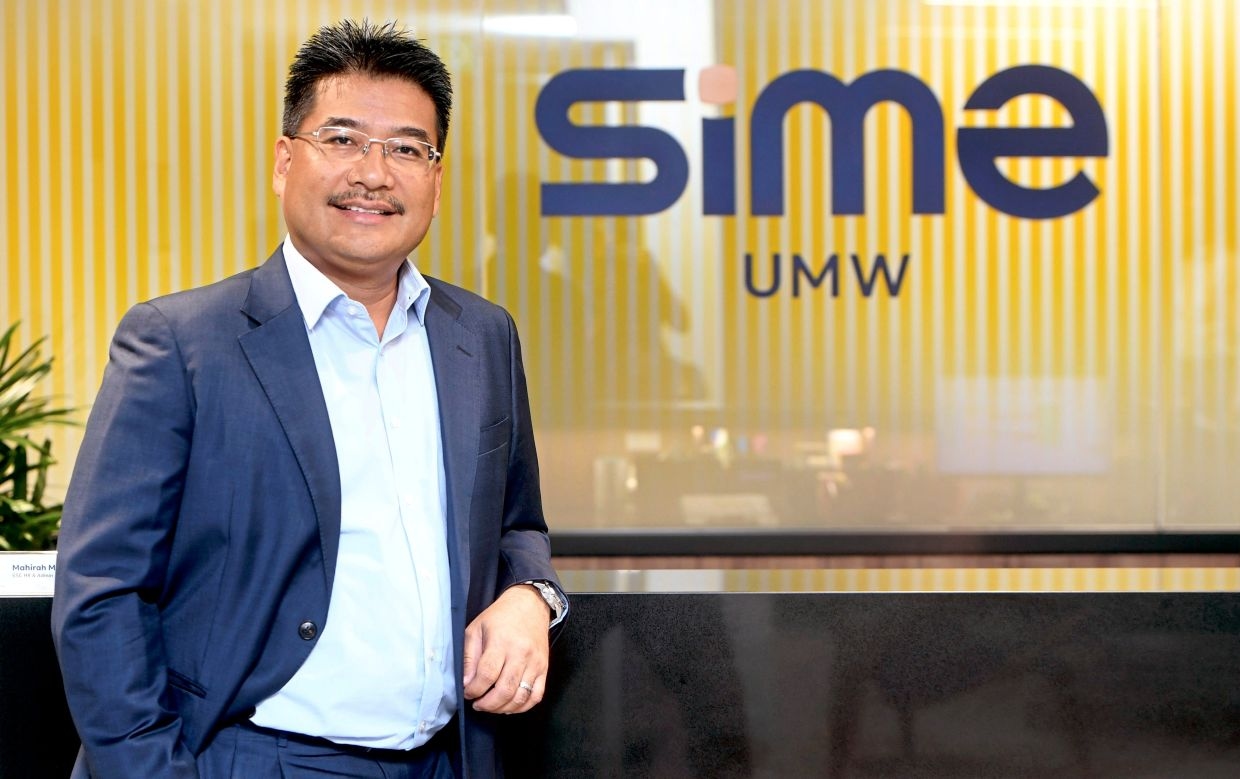
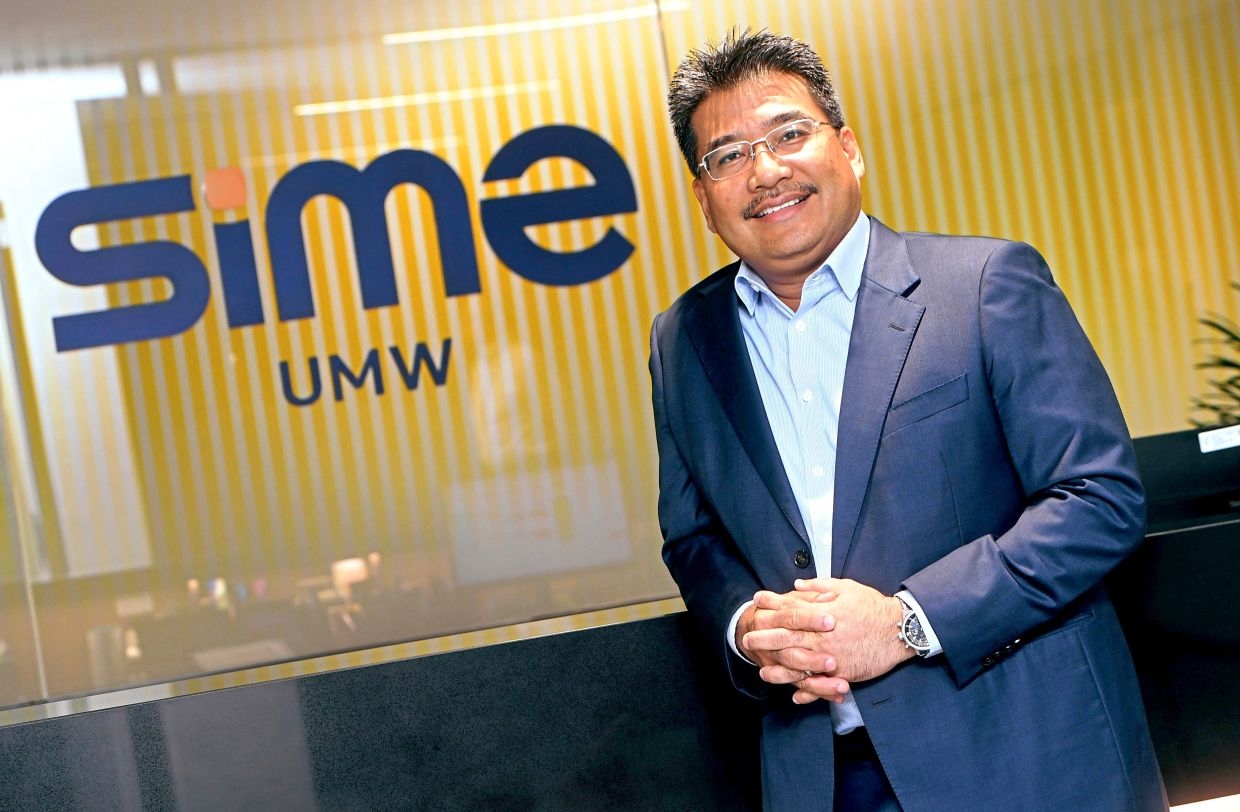
Mustamir: Our operations are not only in Malaysia – they span Singapore, Vietnam and a bit of China. When Sime Darby Bhd (Sime) acquired UMW Holdings Bhd (now Sime UMW) for RM5.84bil in 2024, it was driven by a clear goal – to boost revenue growth and improve operational efficiency. Fast forward to 2025 and much of the heavy lifting has been done, with RM50mil in recurring annual savings taking shape. Datuk Mustamir Mohamad, the managing director of Sime UMW, shares that there were opportunities to streamline operations at the head office. About RM30mil in savings came from 'right-sizing' efforts, mainly focused on the head office rather than strategic business units.

The Star
09-05-2025
- Automotive
- The Star
Boost for hydrogen fuel with launch of RM15mil pilot project
The Mobile Hydrogen Refuelling Station (MHRS) pilot project in Precinct 2, Putrajaya. – Bernama PUTRAJAYA: Malaysia has taken a significant step towards a clean energy future with the Mobile Hydrogen Refuelling Station (MHRS) development project, which will function as a driver of innovation in the hydrogen-based mobility sector. The RM15mil MHRS, a pilot project in the hydrogen mobility sector in Peninsular Malaysia, is located at Precinct 2 here and is capable of supplying 50kg of hydrogen daily through the small-scale station. Science, Technology and Innovation Minister Chang Lih Kang said the MHRS not only spurs research and development in hydrogen and fuel cell technology but also supports the country's target of achieving zero carbon emissions by 2050. "Currently, there are no hydrogen-powered vehicles in Malaysia but we have hydrogen fuel cell electric vehicle (FCEV) suppliers. "Basic infrastructure for FCEV refuelling should be established to accelerate the adoption of hydrogen as a fuel in the transportation and mobility sector," he said after launching the MHRS here on Friday (May 9). The project is supported by the Science, Technology, and Innovation Ministry through the National Nanotechnology Centre (NNC) and NanoMalaysia Berhad (NMB), in collaboration with PETRONAS Technology Ventures Sdn Bhd (PTVSB), Sime UMW, UMW Toyota Motor Sdn Bhd (UMWT) and the Malaysian Green Technology and Climate Change Corporation (MGTC). NMB, as the asset administrator representing the ministry, acts as the operator of the MHRS station and a test site for new technologies to explore long-term commercial opportunities. PTVSB supplies hydrogen and oversees the station's engineering, procurement, construction and commissioning (EPCC) while Sime UMW and UMWT will provide three Toyota Mirai hydrogen-powered vehicles and offer essential operational and maintenance services. Elaborating, Chang said the MHRS plays the role of educating the public on the current status of hydrogen technology and demonstrating that hydrogen can now be used as a fuel for vehicles. "We need to create the ecosystem first. Because we are starting from scratch. We don't have the users and the supply but we are targeting that by 2030, there will be FCEVs on Malaysian roads," he said. Meanwhile, NMB chief executive officer Dr Rezal Khairi Ahmad said in his speech that the MHRS would not only be a catalyst for clean energy infrastructure but also pave the way for investments and innovations as well as strengthen Malaysia's position as a regional hub for hydrogen technology. "Under the leadership of the ministry, NMB will continue to leverage the full potential of the MHRS in close collaboration with local authorities, stakeholders and industry players to make Putrajaya the starting point for the country's hydrogen-powered mobility transformation," he said. – Bernama Hydrogen Fuel, Science Technology and Innovation Ministry, Green Energy, Mobile Hydrogen Refuelling Station, MHRS
