


Latest news with #ecoTourism

Times of Oman
 07-07-2025
- Times of Oman
Fog, drizzle and clouds...Hawana Salalah Hotels in Oman transforms to haven of lush greenery and picturesque landscapes
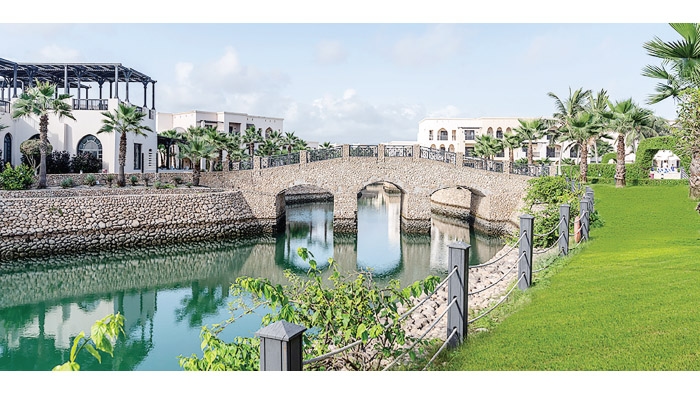
Muscat: The Dhofar Governorate in the Sultanate of Oman is witnessing a stunning natural transformation that draws the attention of tourists from across the region and the world. This transformation begins with the onset of the Khareef (monsoon) season, which runs from July to September. This season is a unique climatic phenomenon in the Arabian Peninsula, turning Salalah into a lush oasis blanketed in thick fog and dotted with seasonal waterfalls. Amid growing demand for eco-tourism and cultural experiences, Hawana Salalah Hotels — one of Oman's largest integrated tourism destinations — emerges as a successful model of sustainable tourism investment that fuses authenticity with quality. This leading hospitality complex comprises Fanar Hotel & Residences, Salalah Rotana Resort, The Club by Fanar, and Juweira Boutique Hotel. Guests at Hawana Salalah don't just enjoy luxury accommodations; They also explore breathtaking natural landscapes and cultural landmarks. These include Wadi Darbat, Ayn Athum, and UNESCO-listed archaeological sites like Sumhuram and Al-Baleed, in addition to thrilling adventures in Mughsail's cliffs and its unique natural blowholes. Coinciding with the tourism boom, multiple airlines from GCC countries operate regular, direct flights to Salalah International Airport, significantly easing access to the destination. These flights depart from major cities in Saudi Arabia, including Riyadh, Jeddah, Dammam, Medina, Taif, and Abha, operated by five carriers: Saudia, flynas, flyadeal, Oman Air, and SalamAir. Riyadh leads in frequency, with over eight weekly flights to Salalah, while other cities have varying schedules based on demand. A rise in flights is expected during July and August, aligning with peak season. Additional direct routes are available from other GCC nations such as Kuwait (via Jazeera Airways and Kuwait Airways), Doha, Bahrain, and UAE cities including Dubai, Abu Dhabi, and Sharjah. In this context, Ahmed Afifi, General Manager of Salalah Rotana Resort, emphasized that providing luxury accommodations is not the sole goal. 'Our ultimate aim is to embody the essence of Omani hospitality in its finest form,' he said. 'We take pride in our Dhofari heritage and work to share it with guests from the moment they arrive, through culinary arts, architectural design, and the warm, genuine spirit of our staff. Our goal is to deliver experiences that exceed expectations and ensure guest loyalty and repeat visits. For us, success is measured by the guest's smile—satisfaction is our key performance indicator.' Hawana Salalah is a fully integrated tourism destination developed in the heart of Dhofar Governorate. It includes a variety of hotels, entertainment facilities, a marina, international restaurants, and open green spaces. The project is a standout example of a successful public-private partnership that boosts the local economy and promotes sustainable tourism in Oman, further cementing the country's position as a premier summer destination in the Gulf and the Arab tourism map.

Malay Mail
02-07-2025
- Business
- Malay Mail
Trash for treats: Copenhagen's CopenPay rewards tourists with free boat rides, concert tickets, and coffee for cleaning canals
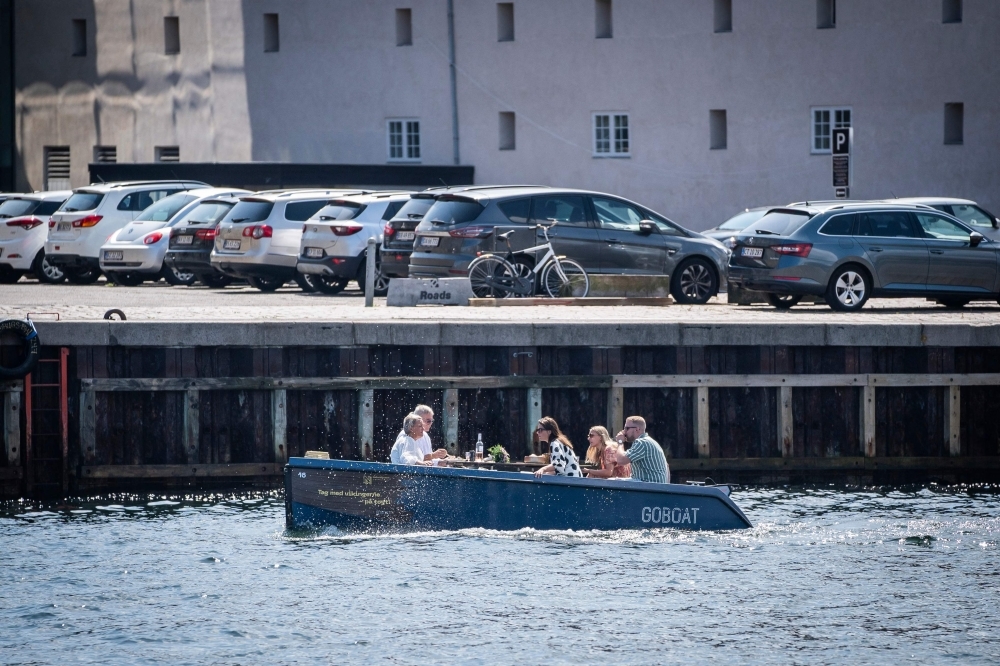
COPENHAGEN, July 2 — Mexican tourist Rocio Gomez spent an hour boating on Copenhagen's canals free of charge in exchange for picking up trash in the water, part of a city programme for rewarding eco-friendly tourists. During her tour on an electric motorboat, which normally costs around US$95 an hour, Rocio collected trash in the Copenhagen port. 'You're doing something helpful and you're also having a good time,' she told AFP. The 34-year-old who works in sustainable development said she planned to take advantage of other similar deals offered in Copenhagen during her visit. From mid-June until late August, the CopenPay initiative offers around 100 activities in exchange for free or reduced prices on a selection of experiences. For example, participants can get a coffee, pastry or concert ticket in exchange for an hour of picking up trash; a rebate on a restaurant dinner if they do some gardening; or a free guided tour for those who stay in the city longer than three days. 'We saw that four out of five people actually want to do good, but only one does it. So we wanted to see how we could bridge that gap and inspire more people to do good,' said Rikke Holm Petersen, head of communications at the Wonderful Copenhagen tourism board. The initiative was tested on a smaller scale last year, when 75,000 people took part. This year, Wonderful Copenhagen expects at least twice as many. The number of companies and institutions taking part, and getting no financial gain in return, has increased four-fold. The campaign targets tourists but applies to anyone who wants to participate. At the motorboat rental company GoBoat, as at many other places, the offer is limited. 'Around 60 people can come every Tuesday and Thursday morning' after signing up on a CopenPay website, said GoBoat's Isabel Smith. A marine biologist, Smith is in charge of analysing the trash hauled by CopenPay users, averaging two kilos (4.4 pounds) per boat, most of which is plastic. 'I measure the plastic by width and length, then identify the type of plastic,' she said. 'This will contribute to our current understanding of the role of the harbour and plastic pollution.' Spread abroad? The programme has proven popular with tourists. 'When you are travelling to different places, you want to experience different things. And I found that this is pretty amazing,' Gomez said. 'At the beginning, it was pretty clean — extremely clean — but then we found certain corners that were pretty dirty.' 'And then we started to pick up all the trash from the corners with bamboo nets.' Also in her boat was Marta Reschiglian, an Italian student visiting Copenhagen with a group of friends on an Erasmus university exchange programme. 'Since we are students and we are sometimes on a really tight budget, it's so nice to be able to do these things, to combine a bit of a sustainable, friendly behaviour and also a way to get things for free,' Reschiglian said. 'Lots of cities should start to adopt these kinds of initiatives,' she added. 'We are seeing all over the world that there are so many problems with mass tourism.' The project could spread to other cities outside Denmark. 'We've been sharing insights with 100 destinations all over the world,' said Petersen at Wonderful Copenhagen. In the Danish capital, the initiative could become permanent in the future, with a winter programme as well. Around four million tourists visit Copenhagen each year, the majority in summer. — AFP


Arabian Business
30-06-2025
- Arabian Business
Dubai awards contract for major $177m Ras Al Khor Wildlife Sanctuary upgrade
Dubai Municipality has awarded the contract for the first phase of the Ras Al Khor Wildlife Sanctuary Development Project, with a value of AED100m ($27.2m). The full two-phase project will cost AED650m ($177m) and is designed to position the sanctuary as a global model for sustainable urban eco-tourism. The development is in line with the directives of Sheikh Mohammed bin Rashid Al Maktoum, Vice President and Prime Minister of the UAE and Ruler of Dubai to develop the emirate's natural reserves in alignment with the 2040 Urban Master Plan. Ras Al Khor Wildlife Sanctuary in Dubai Phase One Covering 6.4sq km, phase one of the project focuses on rehabilitating natural ecosystems, with a major emphasis on biodiversity and climate resilience: 60 per cent increase in mangrove coverage (from 40 to 65 hectares) 144 per cent increase in water bodies (to 74 hectares), supporting 60 per cent more CO₂ absorption Creation of new habitats including Mangrove Lake, North Edge Lake, and reed ponds Addition of 10 hectares of salt flats (mudflats) Development of a Green Spine and continuous ecological monitoring The sanctuary, which already attracts around 20,000 migratory birds each year, including flamingos, is expected to multiply annual visitors six-fold to 250,000–300,000 once complete. Ras Al Khor Wildlife Sanctuary in Dubai Phase Two Phase two will focus on infrastructure and visitor experience enhancements across 20,000 square metres, including: A visitor centre, birdwatching towers, restaurants, kiosks, and educational centres 5.6km of cycling tracks and 3km of walking trails 23 hectares of new landscaping Dedicated spaces for events and environmental awareness initiatives Designed by internationally recognised experts in collaboration with the Dubai Environment and Climate Change Authority, the project has already won seven international and regional awards, cementing Dubai Municipality's leadership in sustainable development and environmental design. Marwan Ahmed bin Ghalita, Director General of Dubai Municipality, said: 'The Ras Al Khor Wildlife Sanctuary Development Project is one of the most prominent environmental infrastructure initiatives being undertaken by Dubai Municipality. 'With its unique design, the project marks a major milestone in the development and preservation of natural reserves. It reflects Dubai Municipality's commitment to protecting biodiversity and natural habitats through innovative practices that support sustainable growth and ecological balance'. The Ras Al Khor Wildlife Sanctuary was the first UAE site listed under the Ramsar Convention in 2007 and is classified under the International Union for Conservation of Nature (IUCN) guidelines. It hosts nearly 450 species of flora and fauna and plays a vital role in the region's ecological balance.

The National
30-06-2025
- The National
Dubai approves Dh650 million Ras Al Khor Wildlife Sanctuary project
Dubai Municipality on Monday announced a project to develop the Ras Al Khor Wildlife Sanctuary, at a total cost of Dh650 million. To be completed over two phases, the first of which will be finished by the end of 2026 at a cost of Dh100 million, the project aims to boost biodiversity and establish the sanctuary as an eco-tourism destination. It is hoped the development will place Dubai among the world's top three tourism destinations, with designs for the sanctuary based on the needs of both residents and tourists. Sustainability in mind New mangroves will be planted to increase coverage by 60 per cent within the sanctuary. New irrigation channels will also be built while mangrove forests will be rehabilitated to create new habitats. The first phase of the project will see a 144 per cent increase of water bodies within the reserve, expanding their total area to 74 hectares and increasing carbon dioxide absorption by 60 per cent. An additional 10 hectares of mudflats will also be added. The second phase, to be implemented at a later stage, will focus on enhancing the main infrastructure and recreational services. This will support the hosting of various events and activities, while a visitor centre will also be built. It will involve the construction of 5.6km of cycling tracks, as well as 3km of walking trails throughout the sanctuary. The project is being co-ordinated by Dubai Municipality and the Dubai Environment and Climate Change Authority. A natural haven Ras Al Khor Wildlife Sanctuary is one of the largest and most significant nature reserves in Dubai, covering approximately 6.4 square kilometres. It was the first site in the UAE to be listed under the Ramsar Convention on Wetlands of International Importance in 2007 and is classified under the International Union for Conservation of Nature (IUCN) guidelines. The sanctuary is counted among the most biodiversity-rich natural reserves in the region, hosting nearly 450 species of flora and fauna, including 47 hectares of mangroves. It welcomes around 20,000 migratory birds annually, including the iconic flamingo. 'With its unique design, the project marks a major milestone in the development and preservation of natural reserves, Marwan Ahmed bin Ghalita, director general of Dubai Municipality, said. 'It reflects Dubai Municipality's commitment to protecting biodiversity and natural habitats through innovative practices that support sustainable growth and ecological balance.'

Arab News
27-06-2025
- Business
- Arab News
Shifting tourism from preservation to regeneration
Since COVID-19 restrictions were lifted, tourism has rebounded rapidly. According to the World Travel and Tourism Council, it is expected to hit record levels in 2025. But this growth demands an urgent reassessment of how tourism impacts the natural world. This is especially critical in coastal regions, which attract nearly half of all international travelers and are home to some of the planet's most vulnerable ecosystems, including coral reefs, mangroves, and seagrass beds. A new model is emerging: regenerative tourism. Rather than focusing solely on preservation, it aims to restore and enhance these ecosystems. Rooted in science, innovation and careful planning, regenerative tourism offers a new relationship between people and place — one that strengthens biodiversity, supports communities, and creates lasting value. At Red Sea Global, this approach is applied across every stage of development, using data, design and ecological insight to show how tourism can contribute to long-term environmental recovery. Regeneration begins not with restoration, but with rethinking how we design and build from the start. The Red Sea and AMAALA, two of our flagship destinations, are developed with this question in mind: How can we leave a place healthier than we found it? In Al-Wajh Lagoon, for example, development is limited to just 22 of more than 90 islands, with nine designated as conservation areas. At AMAALA, development is capped to accommodate no more than 500,000 guests per year to protect delicate habitats from overuse. At Shebara, overwater villas were built directly above the sea, avoiding sensitive beach zones and using marine-safe materials. The Desert Rock resort was carefully integrated into the landscape, preserving the natural contours of the mountains while minimizing disruption to the surrounding environment. And at AMAALA's organic farms, sustainable food production operates entirely off-grid, powered by solar energy and integrated into the local ecosystem. Together, these projects reflect our broader goal of delivering a 30 percent net conservation benefit across The Red Sea and AMAALA by 2040. Our environmental restoration programs go beyond conservation — they aim to rebuild ecosystems at scale and boost their long-term resilience. We have launched an extensive seagrass restoration initiative, recognizing the critical role these underwater meadows play in nurturing marine biodiversity, from dugongs to sea turtles. Seagrasses also improve water quality and act as efficient carbon sinks. At the same time, our coral gardening program has transplanted more than 100,000 corals across the Red Sea, achieving survival rates that exceed global benchmarks. These efforts help reestablish reef habitats that support a wide range of marine life. Perhaps most ambitious is our mangrove regeneration program. Supported by a nursery of 1 million sq. meters, we have planted more than 3 million mangrove trees across our destinations. These trees stabilize coastlines, support fisheries, filter pollutants and store significantly more carbon than tropical rainforests. Rooted in science, innovation and careful planning, regenerative tourism offers a new relationship between people and place. Rashid Alhatilah To ensure long-term impact, we have partnered with the National Center for Vegetation Cover and other stakeholders to protect and expand these efforts. At Red Sea Global, technology is a core part of the infrastructure for regeneration. From real-time marine sensors to nature-based solutions, innovation helps us make smarter, faster decisions and expand our impact across sectors. Our marine environments are monitored using AI-powered sensors that track water quality, biodiversity and environmental changes in real time. This enables rapid response, reduces reliance on human divers and improves data accuracy. We also invest in technologies that mimic or enhance natural systems — often called nature-based solutions. These span construction, clean energy, agriculture and water treatment, offering practical ways to cut costs, boost efficiency and restore ecosystems. This approach redefines how we value the natural world. Ecosystems are no longer seen as passive scenery or extractable assets, but as active participants in a regenerative economy. The Corallium Marine Life Institute lies at the heart of our regenerative approach. As both a research center and visitor experience hub, Corallium enables marine species to reproduce in controlled environments that replicate the Red Sea's natural conditions. These 'living laboratories' allow us to test and refine ecological interventions before applying them in the wild. Collaboration is key to our progress. We work closely with the King Abdullah University of Science and Technology, the Coral Research and Development Accelerator Platform, and innovation platforms such as WAVE — an initiative launched by Princess Reema bint Bandar — to support ocean-positive solutions. These partnerships bring together researchers, entrepreneurs, policymakers and conservationists to align innovation with environmental impact. Looking ahead, global platforms such as The Ocean Race 2027, which will celebrate its Grand Finale at AMAALA, will bring international attention to the urgent need to protect ocean health. Through sport, science and storytelling, such events help catalyze public engagement and drive meaningful change. At Red Sea Global, we are building destinations where guests play an active role in regeneration. Through education, immersive experiences and hands-on restoration efforts, tourism becomes a practical tool for protecting natural systems. There is growing recognition that environmental health and economic resilience are deeply connected. Regenerative tourism offers a realistic way to align development with long-term ecological and social value. The path forward depends on collective commitment, thoughtful design and a willingness to rethink how development, nature and people coexist. The opportunity is clear: to make regeneration the baseline — setting a new standard for tourism to build smarter, travel better, and help restore what has been lost. • Rashid Alhatilah is the group head of environment at Red Sea Global
