


Maharashtra attracts 40 per cent of country's total investment in 2024-25
According to the state government, Maharashtra continues to be the most favoured investment destination due to a business-friendly environment, dedicated sectoral facilities and availability of the highest employable workforce (70 per cent).
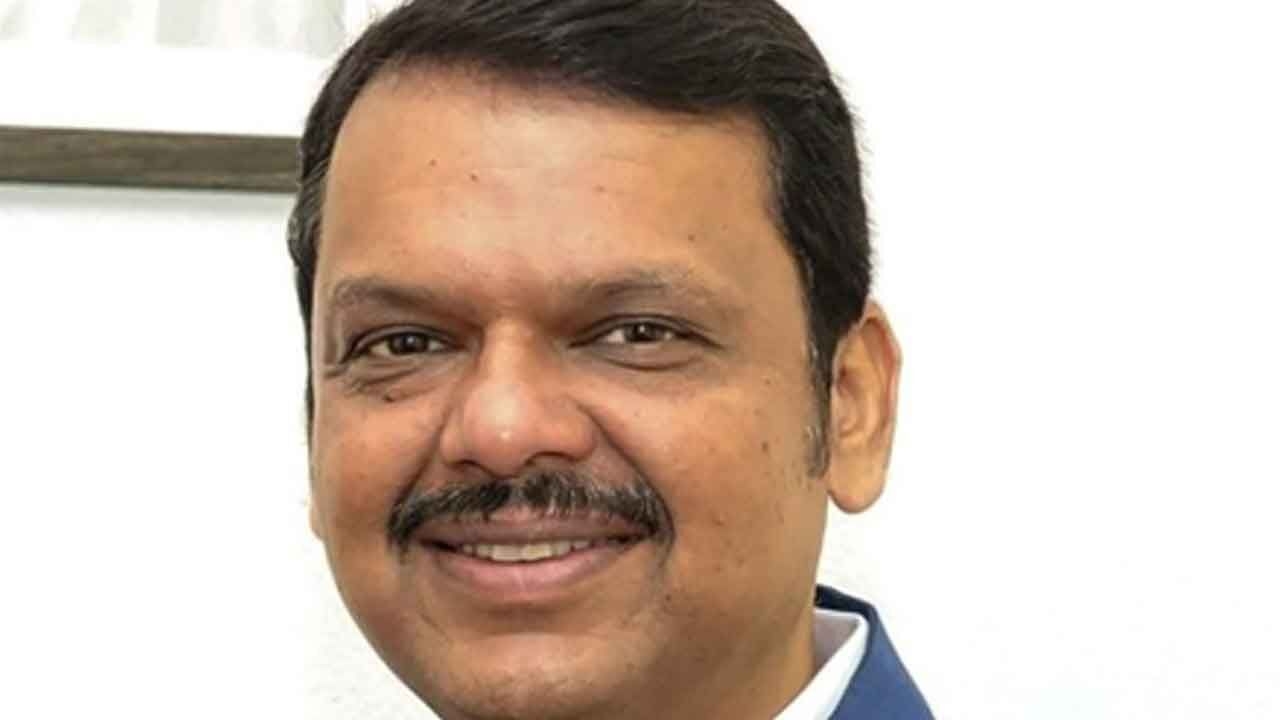
Chief Minister Devendra Fadnavis said, "I am extremely delighted to share that the figures for the last quarter (January to March 2025) of the financial year 2024-25 have now been released, and for the entire year, Maharashtra has attracted foreign investment worth Rs 1,64,875 crore. This accounts for 40 per cent of the total investment received by the country this year. The total investment in the country this year amounts to Rs 4,21,929 crore."
"Compared to last year, Maharashtra has seen a 32 per cent increase in investment this year. In this final quarter, Maharashtra attracted Rs 25,441 crore in foreign investment. This year has set a record for Maharashtra, surpassing the past 10 years. We had already broken this record in the first nine months. I wholeheartedly congratulate the people of Maharashtra," CM Fadnavis said.
Retaining the number one slot has come as a shot in the arm for the Maharashtra government as it has an ambitious target of becoming a $1 trillion economy by 2030 and $5 trillion by 2047. The state economy has already crossed the $500 billion mark.
The Industry Department sources said Maharashtra has formulated industry and sector-specific policies and consistently updates its incentives and offerings to align with the evolving global economic dynamics and business scenarios.
"Maharashtra continues to lead the way as a top investment destination in India. The Retail Trade Policy 2016, Maharashtra Electronics Policy 2016, Aerospace and Defence Policy 2018, and Industrial Policy 2019 are under the government's active consideration for review to keep pace with the changing investment scenario. In addition, the government proposes to come up with the Circular Economy Policy, MSME Policy, and Leather and Footwear Policy. The state has crossed $500 billion in GDP, surpassing the GDP of several countries like Singapore and Austria, as well as Indian states like Tamil Nadu and Karnataka," the sources added.
Further, the government has enacted 'The Maharashtra Industry, Trade and Investment Facilitation Act' on July 3, 2023, to create a strong, healthy and effective ecosystem for industrial development and further boost the investments in the state.
The Maharashtra Industry, Trade and Investment Facilitation (MATRI) cell aims to serve as the first point of reference for potential investors coming to the state.
Deputy Chief Minister and Finance Minister Ajit Pawar asserted that the record-breaking investment is not merely a matter of rising financial numbers, but proof of the global trust in Maharashtra.
"Now, as investment has increased, employment opportunities will also grow, new industries will be established, while further opening up new opportunities," he said.
Hashtags

Try Our AI Features
Explore what Daily8 AI can do for you:
Comments
No comments yet...
Related Articles


Economic Times
 an hour ago
- Economic Times
Stock Radar: Bajaj Auto showing signs of reversal after falling over 30% from highs; medium term should ‘buy the dip'
Bajaj Auto Ltd, part of the automobile space, bounced back after taking support below the 100-DMA on the daily charts and is gradually moving traders with a high risk profile can look to buy the stock for a possible target of Rs 9,700 in the next 2-4 months, suggest 2-3-wheeler stock hit a high of Rs 12,772 on September 27, 2024, but it failed to hold the momentum. It closed at Rs 8,588 on August 18, 2025 which

Economic Times
an hour ago
- Economic Times
Aurobindo Pharma closing in on $5.5b Zentiva buyout
Boost to Aurobindo's European footprint Live Events Change of hands (You can now subscribe to our (You can now subscribe to our Economic Times WhatsApp channel Mumbai: Aurobindo Pharma has emerged as the frontrunner to acquire Prague-based generic drugmaker Zentiva for $5-5.5 billion (Rs 43,500-47,900 crore) from Advent International , said several people aware of the matter, underscoring the growing consolidation of pharmaceutical assets in successful, this will be the largest-ever acquisition by an Indian pharma company, both at home and abroad, trumping the $3.2-billion acquisition of Daiichi Sankyo's stake in Ranbaxy in 2014, or Biocon Biologics' $3.3 billion cash and stock buyout of the global biosimilars business of US-based is competing with US private equity firm GTCR , the other serious contender left in the fray. Both sides are engaged in intense negotiations to finalise the various commercial and operations aspects of the late last year, Advent has been engaged with advisers Goldman Sachs and boutique investment bank PJT Partners to explore exit options for Zentiva, which it acquired seven years were made to several financial investors, including TPG and pharma competitors worldwide for a potential takeover.'The competition heated up from May. The binding offers have been submitted a few weeks ago and ongoing discussions have reached an advanced stage,' said a PE executive involved in the matter. 'Price is no longer being negotiated… A formal announcement can happen in the next fortnight or a month.'Zentiva will significantly boost Aurobindo's European footprint, specifically in the east European region–Czech Republic, Romania and Slovakia—where the market is seen as fertile and steadily warming up to a raft of biosimilars, following patent expiries of big prescription brands. Besides, as most healthcare spending in eastern Europe is led by government bulk public procurement, the returns are steadier as compared to perpetual price erosion in the revenues from Europe are already the highest among all other homegrown pharma peers. For calendar 2024, Zentiva Group's revenues were 1.7 billion euros ($1.98 billion) at an ebitda of 400 million euros ($467 million). Even then, analysts are surprised at the boldness of the bet that the Hyderabad-based company is willing to take amid heightened geopolitical risks and tariff market value stands at Rs 63,684.90 crore ($7.4 billion), whereas Zentiva is privately held. According to people aware of developments, Aurobindo has already secured a $4.75-billion credit line from MUFG–the sole financier in the transaction–as a bridge loan for the transaction. The remaining $800 million will be from the company's internal and Zentiva didn't respond to queries. Advent and MUFG declined to was the first to report on the Zentiva sale last November and on Aurobindo's interest in July this origins that can be traced back to Black Eagle Pharmacy from the 15th century, Zentiva was nationalised in 1946 and has undergone several ownership changes, including one in 1998 when the management team had taken over a majority share to refocus on branded generics. A decade later, in 2009, it got acquired by Sanofi and in 2018, got carved out by Advent for $2.4 billion, a deal process that had even seen a preliminary interest from India's Torrent the years, it has diversified its presence across categories such as prescription drugs, OTC products and consumer health and food supplements as well as geographies, growing both organically and through a series of buyouts across the region. It currently operates in 30 countries and has set a goal to reach one in five people across Europe by India, Zentiva has a manufacturing site in Gujarat. In 2022, Polish firm Pol Pharma, backed by a few private equity players, was reported to have placed a $3.5-billion bid for Zentiva, but the discussions remained inconclusive as the owners were reportedly considering a public leading drugmakers such as Biocon and, more recently, Lupin, have struck separate deals with Zentiva to push their biosimilars in the European region. Aurobindo is developing a robust pipeline of biosimilars such as denosumab (Prolia) for osteoporosis as well as omalizumab (Xolair) and bevacizumab (Avastin) for multiple cancer treatments.'While pricing pressure persists in chronic therapies, the European Union (EU) remains attractive for oncology and retail segments. Ongoing investments in EU-focused capacity continue to support volume growth,' said Amey Chalke of JM EU business of Aurobindo reported 9% revenue growth in the June quarter, from a year ago, with a strong performance across major markets and is on track to cross 1 billion euros in annual revenue in FY26. Injectables grew about 20% from the year earlier, driven by shortage-led demand. Two new oncology lines are being added to meet rising needs, as per the company also received four biosimilar approvals with commercial supplies initiated in the UK and full ramp-up expected in the third or fourth quarter of this fiscal. Aurobindo is targeting 40–60% margins in the EU biosimilar segment and aims for a blended 50% gross margin. Inhouse manufacturing now exceeds half the total formulations volumes, thereby boosting margins, inching toward 20% Aurobindo's FY25 consolidated sales of Rs 31,724 crore ($3.6 billion), the US market accounted for Rs 14,186 crore, up 6.8% from the year earlier. The European business grew 16.6% to Rs 8,356 month, Aurobindo acquired US-based contract development and manufacturing organization (CDMO) player Lannett for $250 million to shore up its manufacturing presence in the US while enhancing its capabilities in manufacturing complex generic drugs such as controlled at least three previous occasions, Aurobindo has either lost out to rivals or had to back out of marque transactions after announcing them. In 2020, it had to call off its deal to acquire the oral solids and dermatology business of Sandoz (part of Novartis) in the US for $900 million, failing to receive due approvals from US Federal Trade Commission even after two years.


Time of India
an hour ago
- Time of India
Aurobindo Pharma closing in on $5.5b Zentiva buyout
Tired of too many ads? Remove Ads Boost to Aurobindo's European footprint Tired of too many ads? Remove Ads Change of hands Tired of too many ads? Remove Ads Mumbai: Aurobindo Pharma has emerged as the frontrunner to acquire Prague-based generic drugmaker Zentiva for $5-5.5 billion (Rs 43,500-47,900 crore) from Advent International , said several people aware of the matter, underscoring the growing consolidation of pharmaceutical assets in successful, this will be the largest-ever acquisition by an Indian pharma company, both at home and abroad, trumping the $3.2-billion acquisition of Daiichi Sankyo's stake in Ranbaxy in 2014, or Biocon Biologics' $3.3 billion cash and stock buyout of the global biosimilars business of US-based is competing with US private equity firm GTCR , the other serious contender left in the fray. Both sides are engaged in intense negotiations to finalise the various commercial and operations aspects of the late last year, Advent has been engaged with advisers Goldman Sachs and boutique investment bank PJT Partners to explore exit options for Zentiva, which it acquired seven years were made to several financial investors, including TPG and pharma competitors worldwide for a potential takeover.'The competition heated up from May. The binding offers have been submitted a few weeks ago and ongoing discussions have reached an advanced stage,' said a PE executive involved in the matter. 'Price is no longer being negotiated… A formal announcement can happen in the next fortnight or a month.'Zentiva will significantly boost Aurobindo's European footprint, specifically in the east European region–Czech Republic, Romania and Slovakia—where the market is seen as fertile and steadily warming up to a raft of biosimilars, following patent expiries of big prescription brands. Besides, as most healthcare spending in eastern Europe is led by government bulk public procurement, the returns are steadier as compared to perpetual price erosion in the revenues from Europe are already the highest among all other homegrown pharma peers. For calendar 2024, Zentiva Group's revenues were 1.7 billion euros ($1.98 billion) at an ebitda of 400 million euros ($467 million). Even then, analysts are surprised at the boldness of the bet that the Hyderabad-based company is willing to take amid heightened geopolitical risks and tariff market value stands at Rs 63,684.90 crore ($7.4 billion), whereas Zentiva is privately held. According to people aware of developments, Aurobindo has already secured a $4.75-billion credit line from MUFG–the sole financier in the transaction–as a bridge loan for the transaction. The remaining $800 million will be from the company's internal and Zentiva didn't respond to queries. Advent and MUFG declined to was the first to report on the Zentiva sale last November and on Aurobindo's interest in July this origins that can be traced back to Black Eagle Pharmacy from the 15th century, Zentiva was nationalised in 1946 and has undergone several ownership changes, including one in 1998 when the management team had taken over a majority share to refocus on branded generics. A decade later, in 2009, it got acquired by Sanofi and in 2018, got carved out by Advent for $2.4 billion, a deal process that had even seen a preliminary interest from India's Torrent the years, it has diversified its presence across categories such as prescription drugs, OTC products and consumer health and food supplements as well as geographies, growing both organically and through a series of buyouts across the region. It currently operates in 30 countries and has set a goal to reach one in five people across Europe by India, Zentiva has a manufacturing site in Gujarat. In 2022, Polish firm Pol Pharma, backed by a few private equity players, was reported to have placed a $3.5-billion bid for Zentiva, but the discussions remained inconclusive as the owners were reportedly considering a public leading drugmakers such as Biocon and, more recently, Lupin, have struck separate deals with Zentiva to push their biosimilars in the European region. Aurobindo is developing a robust pipeline of biosimilars such as denosumab (Prolia) for osteoporosis as well as omalizumab (Xolair) and bevacizumab (Avastin) for multiple cancer treatments.'While pricing pressure persists in chronic therapies, the European Union (EU) remains attractive for oncology and retail segments. Ongoing investments in EU-focused capacity continue to support volume growth,' said Amey Chalke of JM EU business of Aurobindo reported 9% revenue growth in the June quarter, from a year ago, with a strong performance across major markets and is on track to cross 1 billion euros in annual revenue in FY26. Injectables grew about 20% from the year earlier, driven by shortage-led demand. Two new oncology lines are being added to meet rising needs, as per the company also received four biosimilar approvals with commercial supplies initiated in the UK and full ramp-up expected in the third or fourth quarter of this fiscal. Aurobindo is targeting 40–60% margins in the EU biosimilar segment and aims for a blended 50% gross margin. Inhouse manufacturing now exceeds half the total formulations volumes, thereby boosting margins, inching toward 20% Aurobindo's FY25 consolidated sales of Rs 31,724 crore ($3.6 billion), the US market accounted for Rs 14,186 crore, up 6.8% from the year earlier. The European business grew 16.6% to Rs 8,356 month, Aurobindo acquired US-based contract development and manufacturing organization (CDMO) player Lannett for $250 million to shore up its manufacturing presence in the US while enhancing its capabilities in manufacturing complex generic drugs such as controlled at least three previous occasions, Aurobindo has either lost out to rivals or had to back out of marque transactions after announcing them. In 2020, it had to call off its deal to acquire the oral solids and dermatology business of Sandoz (part of Novartis) in the US for $900 million, failing to receive due approvals from US Federal Trade Commission even after two years.
