


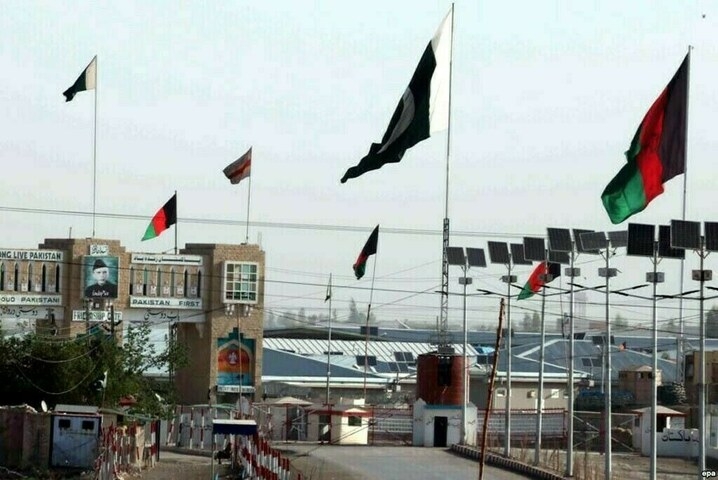
Kabul upgrades diplomatic mission in reciprocal move
'In reciprocity, the Islamic Emirate of Afghanistan will elevate the status of its mission in Islamabad from chargé d'affaires to ambassador,' said the statement issued by the Afghanistan Ministry of Foreign Affairs on Saturday.
This elevation in diplomatic representation between Afghanistan and Pakistan paves the way for enhanced bilateral cooperation in multiple domains, the statement highlighted.
Pakistan elevates diplomatic ties with Afghanistan to ambassador level
Pakistan and Afghanistan agreed in Beijing to elevate their diplomatic relations earlier this month to normalise strained ties fraught with militancy. Pakistan has been pressing Afghanistan to stop use of its soil for terrorism.
Meanwhile, an Afghan foreign ministry official, Zalmay Jalali announced through his post on X that the current chargé d'affaires in Islamabad, Sardar Ahmad Shakeeb, will assume responsibilities as the country's ambassador to Pakistan.
Copyright Business Recorder, 2025
Hashtags

Try Our AI Features
Explore what Daily8 AI can do for you:
Comments
No comments yet...
Related Articles

Business Recorder
 2 hours ago
- Business Recorder
Preparations for PM's visit, CPEC JCC session reviewed
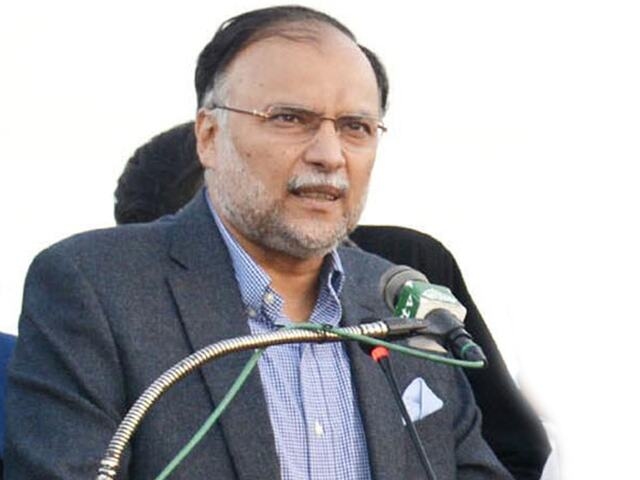
ISLAMABAD: Federal Minister for Planning, Development and Special Initiatives, Professor Ahsan Iqbal, on Tuesday, chaired a high-level meeting to review preparations for the upcoming Joint Cooperation Committee (JCC) session of the China–Pakistan Economic Corridor (CPEC) and the prime minister's planned visit to Beijing. The minister said that the future of CPEC should focus on quality over quantity, stressing that only well-planned, high-impact projects will move forward to ensure sustainability and strengthen Pakistan's institutions. Sharing details of his recent visit to China, he said that, on the prime minister's behalf, he invited President Xi Jinping to visit Islamabad in 2026 to celebrate 75 years of diplomatic relations between Pakistan and China. He added that the prime minister's upcoming trip to Beijing will formally launch CPEC Phase-II, during which, both sides are expected to set clear priorities and agree on concrete, measurable outcomes. The minister stressed the need to expand Pakistan's trade and exports to China and directed that visa processing for genuine businesspersons be expedited to avoid unnecessary delays. He also called for a practical, results-oriented plan to diversify exports, strengthen industrial linkages, and fully utilise the expanded market access available under CPEC. On human resource development, Iqbal stressed the need to make full use of the 10,000 training opportunities offered by China in various sectors. He directed that a transparent system be put in place to ensure the right people are selected for the right training, in line with institutional needs, so Pakistan can achieve lasting capacity-building and organisational benefits. The meeting reviewed progress on key priority areas, including the Multan–Sukkur Motorway, training programmes for IT graduates, artificial intelligence infrastructure, industrial relocation, special economic zones, mining, and agriculture. The minister directed that detailed, data-based studies be carried out on China's industrial relocation patterns and that Pakistan's export strengths be carefully matched with Chinese market needs. Noting that China imports goods worth over US$2 trillion annually, he stressed that Pakistan should set a clear target of capturing at least US$30–50 billion of this trade by improving competitiveness and preparing its key sectors. He directed that an outcome-oriented study be completed to identify high-potential sectors and products for export to China, with the objective of creating an exportable surplus, attracting sustained investment, and strengthening the balance of payments over the medium term. He reiterated the need for policy continuity and institutional reforms to realise long-term CPEC gains, and affirmed close engagement with the private sector, academia, and research institutions in industrial cooperation, technology, agriculture, energy, and human resource development. Copyright Business Recorder, 2025
Business Recorder
2 hours ago
- Business Recorder
Chinese FM due tomorrow to attend strategic dialogue
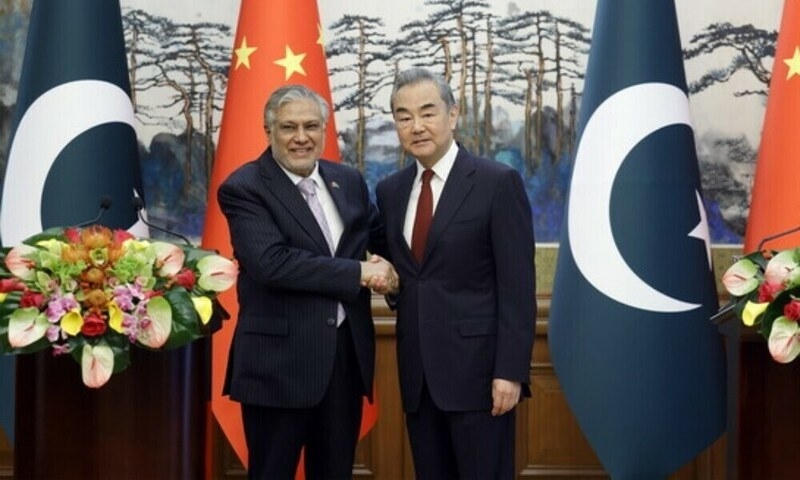
ISLAMABAD: Top Chinese diplomat, member of the Politburo of the Communist Party of China and Foreign Minister, Wang Yi, is visiting Islamabad for co-chairing the 6th Pakistan-China Foreign Ministers' Strategic Dialogue on August 21, 2025. Deputy Prime Minister and Foreign Minister, Senator Ishaq Dar had invited the Chinese FM to visit Pakistan, Foreign Office (FO) Spokesperson, Shafqat Ali Khan announced in a statement on Tuesday. The visit is part of the regular high-level exchanges between Pakistan and China to further deepen their 'All-Weather Strategic Cooperative Partnership', reaffirm support on the issues of respective core interests, enhance economic and trade cooperation, and reaffirm their joint commitment to regional peace, development and stability. Wang Yi will reach Islamabad from New Delhi after concluding his crucial visit of India. The two sides will review the entire spectrum of Pakistan-China bilateral relations and exchanges views on regional and global developments of mutual interest. Pakistan, China hold consultations on arms control, non-proliferation, disarmament It is to mention here that DPM Dar last visited Beijing on his three-day official visit on May 19-21 to discuss regional and bilateral discussion following Pakistan-India tension in the wake of April 22 Pahalgam attack. Dar had met top Chinese leadership. Furthermore, the FO spokesperson said the 10th Round of Pakistan-China Bilateral Consultations on Arms Control, Non-Proliferation, and Disarmament was held on 18 August 2025 in Beijing. Ambassador Tahir Andrabi, Additional Secretary of the Arms Control, Disarmament, and International Security Division at Pakistan's Ministry of Foreign Affairs, and Sun Xiaobo, Director General of the Department of Arms Control at the Ministry of Foreign Affairs of the People's Republic of China, led their respective delegations. The two sides engaged in a comprehensive exchange of views on issues related to global and regional peace and security. They also reviewed the situation in South Asia, with particular emphasis on the challenges to security and strategic stability. The discussions covered a wide range of topics related to disarmament and non-proliferation, focusing on the agenda of the UN General Assembly First Committee, the Conference on Disarmament, and key international disarmament agreements, such as the Biological and Toxin Weapons Convention (BTWC) and the Chemical Weapons Convention (CWC). The security implications of emerging technologies and artificial intelligence were also examined. Additionally, the dialogue addressed bilateral cooperation in the peaceful uses of nuclear technology and outer space. During his visit, Ambassador Tahir Andrabi also participated in an interactive roundtable at the China Arms Control and Disarmament Association (CACDA). The session was attended by distinguished former diplomats, practitioners, academics, and think tank experts. The Pakistan-China Dialogue on Arms Control, Non-Proliferation, and Disarmament is a key element of the broader strategic engagement between the two countries. Pakistan views this dialogue as an essential platform for meaningful consultations on security and stability, as well as on issues related to arms control, disarmament, and non-proliferation. The next round of consultations will be held in Islamabad in 2026. Copyright Business Recorder, 2025
Business Recorder
2 hours ago
- Business Recorder
Experts for shift to clean, affordable energy
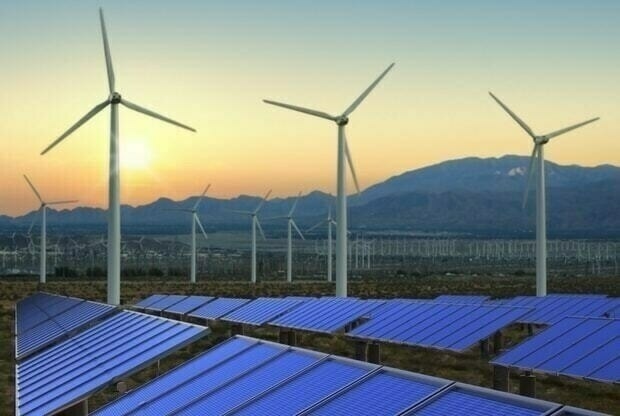
ISLAMABAD: Experts and lawmakers Tuesday urged on a rapid shift to clean, affordable energy alongside expanded forests as extreme heat and floods hit different parts of country especially KPK. They have also called for urgent action to promote renewable energy, restore ecosystems such as the Indus Delta, and strengthen green financing. While addressing the National Climate Justice Youth Film Festival 2025 held here, they have criticised developed nations for fuelling climate change. Indus Consortium, an organisation focused on climate change, humanitarian, and development issues, organised the festival 2025. Parliamentarians, civil society representatives, academics, diplomats and climate activists attending the seminar. Indus Consortium Chairman Liaqat Ali said the festival had become a flagship platform for youth to share their creativity and contribute to the climate justice movement. He noted that Pakistan is increasingly vulnerable to heat waves, droughts and flash floods, which threaten communities, ecosystems, and the economy. He called for urgent action to promote renewable energy, restore ecosystems such as the Indus Delta, and strengthen green financing. Senator Sherry Rehman Chair of the senate standing committee on climate criticised developed nations for fuelling climate change, saying Pakistan, which emits less than one per cent of global carbon, is paying the price for their industrial greed. She called climate change a global crisis created by the industrialised world but disproportionately devastating for vulnerable countries like Pakistan. Crop burning, brick kilns, and unchecked urban development are killing our people, she said. Citing the 2022 floods that submerged one-third of Pakistan and recent disasters that killed hundreds across 63 districts, she termed the situation 'climate injustice' as $7 trillion continues to be funnelled into fossil fuel subsidies worldwide. Sherry Rehman warned that record-breaking heat waves, rising seas, and deforestation threaten Pakistan's agriculture, livestock, and human survival. She urged immediate domestic action, including expanding forest cover, regulating urban growth, encouraging low-plastic start-ups, and embracing renewable energy. Copyright Business Recorder, 2025
