



Watch Tata Harrier EV On Mumbai-Pune Highway Before June 3 Launch: ‘Location Of Charging Port...'
Recent sightings have captured the Tata Harrier EV undergoing high-speed testing on the Mumbai-Pune Expressway.
Tata Motors is all set to launch its much-awaited all-electric Harrier next month. Touted as the first full-sized SUV EV, the Tata Harrier EV will be going up directly against the Mahindra XEV 9e. Being the fourth EV SUV in the Tata Motors lineup after the Nexon EV, Punch EV, and Curvv EV, the Harrier EV will be launched on June 3, 2025. Ahead of the launch date, Tata's new flagship EV was spotted plying on the Mumbai-Pune Expressway, giving a clearer glimpse of its exterior.
In a set of images making the rounds on the internet, the Harrier EV could be seen speeding on the road without any camouflage. The vehicle appears to be a production-ready model, as evidenced by the pictures, which show a white SUV with silver wheels. Speaking of the exterior, it seems similar to the ICE Harrier, with the same silhouette and overall layout. The exterior and design of the Harrier EV were already revealed at the Bharat Mobility Global Expo 2025; however, the key features are yet to be unveiled.
Harrier EV ⚡ spotted doing high speed test run on Mumbai Pune Expressway by our friend.This seems to have charging port 🔌 on right back side. @Tataev can you decide on a standard location for charging port for your cars? pic.twitter.com/4GE9Evmsb8
— Tesla Club India® (@TeslaClubIN) May 23, 2025
With that said, the SUV, reportedly on a speed test in public, featured a charging port near the rear-right wheel, which was also showcased at the Auto Expo. Social media users seemed satisfied with the placements, with one of them commenting, 'I feel the side is a better place for the charging port because front collisions can damage it. But aesthetically, the front port is better. Otherwise, for big SUVs, just give 2 charging ports for convenience." Another added, 'Apart from being placed on the rear quarter panel on the driver side like its ICE counterpart, it makes practical sense—easy access for the driver without walking around… it also keeps the front area free for a possible large frunk… works well with a dual motor setup."
While specific technical details of the Harrier EV are still under wraps, it has been confirmed that the electric SUV will feature an all-wheel-drive (AWD) system, made possible by a rear axle-mounted electric motor. It is also expected to house a larger battery pack than the one seen in the Curvv EV, with a likely torque output of around 500 Nm. Design-wise, the Harrier EV retains several signature elements, including vertical LED headlamps, a blacked-out D-pillar, a floating roofline, blade-shaped DRLs, and vertically stacked LED fog lamps integrated into the rear bumper.
Key features include a 360-degree camera, Level 2 ADAS, dual-zone climate control, connected car technology, ventilated leather seats with power adjustment, and a panoramic sunroof. The EV also embraces modern functionalities like Vehicle-to-Load (V2L) and Vehicle-to-Vehicle (V2V) charging.
As for pricing, the Harrier EV is expected to be launched in the Rs 25–30 lakh (ex-showroom) range.
First Published:
May 24, 2025, 09:01 IST
Hashtags

Try Our AI Features
Explore what Daily8 AI can do for you:
Comments
No comments yet...
Related Articles


Time of India
 2 hours ago
- Time of India
Stop trying to be liked: why great brand strategy repels more than it attracts
By Kunal Vora There's this bizarre idea floating around boardrooms, branding decks and client WhatsApp groups, that a good brand should be liked. Liked by everyone. Liked by boomers, Gen Z, housewives, hipsters, HNIs, CFOs, CXOs, startup bros, school kids, maybe even aliens if they've got purchasing power. It's not just unrealistic. It's dangerous. Because when your brand's strategy starts chasing likes, what you get isn't mass appeal. You get mass confusion. And what gets lost in the noise? Clarity. Identity. Direction. In other words, everything that makes a brand a brand. Polarity isn't marketing, it's architecture. When a brand tries to please everyone, it doesn't just go soft in tone. It crumbles at the core. Most brand architecture decks I see are filled with stretched umbrellas, bloated brand extensions, and logos that want to hug the whole world. Nobody wants to say no to anything. Or anyone. But the best brand architecture systems exclude by design. They make sharp calls on who this brand is for, and who it's absolutely not for. And they allow sub-brands or endorsed units to go deep into specific audiences instead of watering down the masterbrand. Take a look at Tata. You've got Tanishq for aspirational, design-conscious jewellery buyers. Titan for the middle-class wristwatch. Croma for consumer electronics. Tata Motors for transport and utility. Each has its own identity and strategy. Contrast that with conglomerate group brands that force fit everything under one name, terrified that they'll lose recall if they let go. They might get remembered but sometimes for the wrong reasons. Polarity isn't a bug in architecture. It's the whole point. Positioning that doesn't rule people out is just wallpaper Here's the thing, if your brand positioning sounds like a horoscope, it's not a positioning. 'Empowering people to live better lives.' 'Helping the world connect through meaningful innovation.' 'Creating value through customer-centric excellence.' What does that even mean? Great positioning doesn't just attract. It repels. It tells a certain kind of person: this isn't for you. Tesla didn't start out as 'eco-friendly mobility for all.' It was a car for people who wanted to show off that they were saving the planet, with a 0 to 100 in 3.1 seconds. Boat isn't 'premium audio for everyone.' It was built for desi swagger. Loud, proud, Bollywood-tuned. You think they cared about what Sennheiser fans thought? Paper Boat made a gutsy call early on. They didn't go after 'all Indian beverages for all people.' They focused on nostalgia. Select flavours. Indian packaging design that felt emotional, not mass-produced. It was an identity-first brand from day one. They didn't want to win every shelf. They wanted to win meaning. The way I see it, if your brand positioning doesn't scare your sales team just a little, it's probably too soft. Beliefs are only strong if they invite disagreement A lot of brands confuse being relatable with being liked. So they pick 'safe' values, the usual suspects: trust, innovation, empathy, customer-first. But brand beliefs aren't supposed to be soft blankets. They're supposed to be sharp knives. You can't stand for something unless you're willing to stand against something too. That's what gives the belief system teeth. Harley-Davidson doesn't just stand for 'freedom.' It stands against the sanitized, rule-bound culture of 'normal' society. You buy a Harley not just to ride but to belong to the rebellion. Honda, on the other hand, stands for reliability, sensibility, and mainstream appeal. Great. But put Harley and Honda next to each other and ask: which one feels like a belief system, and which one feels like a brochure? Brands with sharp beliefs know that trying to please everyone is the fastest way to please no one. Remember when CRED dropped their campaign with Rahul Dravid smashing cars and screaming in traffic? Some people were confused. Others thought it was genius. But almost nobody said, 'meh.' And that's what made it work. From the tagline 'Not everyone gets it', to the visual aesthetic, to the choice of brand ambassadors, they weren't trying to appeal to your uncle in Baroda who wants cashback offers. They were targeting urban, early-adopter, meme-literate, value-conscious but design-aware Indians. And they leaned in hard. That's brand strategy with teeth. Not another brand doing another campaign trying to be 'youthful yet trustworthy.' So what's the real takeaway? Trying to be liked is a branding disease. It starts small in positioning statements that sound like wedding vows. Then it infects architecture, messaging, visual identity, belief systems - everything. And before you know it, your brand is a beige smoothie. With a smile. The brands that win aren't the ones with the most likes. They're the ones that stand for something so clearly, so sharply, that the right people see them and say: 'Yes. That's mine.' And the wrong people? They can scroll past. Let them. (The author is the founder-partner, ABND.)


Hindustan Times
8 hours ago
- Hindustan Times
‘Sierra represents how we see the future of SUVs in India': Tata Motors' Mohan Savarkar
Tata Motors' product strategy is a mix of long-term planning and market responsiveness, to keep its portfolio both contemporary and relevant. From embedding lifecycle innovation into a model's earliest design stages to identifying white spaces that lead to new segments, Tata Motors has taken quite a leap in terms of product innovations, especially in the last decade. Mohan Savarkar, Vice President & Chief Product Officer, Tata Motors Passenger Vehicles in conversation with HT Auto, shared insights into the company's product strategy and how future models are being shaped to drive the brand's next phase of growth. How does the product team approach lifecycle innovation? At what stage do you begin planning for facelifts, variant extensions, or powertrain diversification — and how do you ensure they're meaningfully timed across a model's lifecycle? Also check these Cars Find more Cars Tata Harrier EV 75 kWh 75 kWh 627 Km 627 Km ₹ 21.49 Lakhs Compare View Offers Tata Nexon 1497 cc 1497 cc Multiple Multiple ₹ 8 Lakhs Compare View Offers Tata Nexon EV 40.5 kWh 40.5 kWh 465 km 465 km ₹ 12.49 Lakhs Compare View Offers Tata Safari 1956 cc 1956 cc Diesel Diesel ₹ 15.50 Lakhs Compare View Offers UPCOMING Tata Safari EV ₹ 26 - 30 Lakhs Alert Me When Launched Tata Tigor 1199 cc 1199 cc Multiple Multiple ₹ 6 Lakhs Compare View Offers We treat lifecycle innovation as a strategic and continuous process, not a reactive one-time update. It starts from the very beginning of a model's life. When we define the product architecture and platform, we also lay down a roadmap for potential variants, technology upgrades, and powertrain flexibility that can unfold over time. This includes planning for alternative fuel technologies, special editions, transmission diversification, and connected features. In addition to above, to assess where the product stands versus emerging consumer expectations, we continuously monitor how product is doing in market. Based on the market feedback, we plan for the next set of Interventions and features. Importantly, we don't wait for sales to slow down before reacting. We proactively sequence upgrades — whether it's introducing ADAS, infotainment enhancements, or introducing CNG or AMT variants — so that the product stays contemporary and competitive. This modular, insight-backed approach ensures that every intervention, whether major or minor, contributes meaningfully to both customer satisfaction and business sustainability. Can you take us through the conceptualization of the Tata Punch? What were the key consumer insights or white spaces in the market that led to the creation of this new micro-SUV segment? The Tata Punch was born out of a very specific and sharp consumer insight—we saw a clear gap in the market for a compact, affordable SUV that still delivered on the core promises of SUV ownership. Through multiple rounds of consumer research, what stood out was that buyers at the entry level weren't looking for a compromise. They wanted a vehicle that gave them a commanding driving position, high ground clearance, and the ability to take on poor road conditions with confidence—hallmarks of a true SUV experience. We saw this as an opportunity to create something new—a whitespace product that didn't really exist in the market until then. That's where the idea of a micro-SUV took shape. We approached it with a human-centric mindset, building not just for a price point or a segment, but for a lifestyle. It wasn't about offering trims; it was about understanding how different consumers interact with their vehicles daily, and designing around those needs. We kicked off the development with a global design competition across our studios in India, the UK, and Italy. Each team brought a different perspective, and the final design actually carries the DNA of all three. The UK studio was ultimately tasked with executing the production design to the highest global quality standards. The Punch was also the first SUV built on our ALFA architecture, which gave us the flexibility to package a compact car with SUV proportions and deliver strong fundamentals—safety, space, modularity, and future powertrain compatibility. We drew inspiration from our own portfolio too; we wanted the Punch to carry the dynamism of the Nexon and the strength of the Harrier, but in a form that was more accessible. It's been a rewarding journey—right from concept to market—and the customer response has reinforced our belief in the original idea. Tata Motors has often spoken about creating 'segment-defining" products. From a product planning lens, how do you differentiate between launching a new nameplate and shaping an entirely new segment? At Tata Motors, we approach product planning with a lens that balances current market dynamics with forward-looking consumer insights. When we talk about segment-defining products, we mean solutions that do more than meet an existing need—they shift the way the category is perceived or expand its relevance. Launching a new nameplate typically means introducing a differentiated product within an established segment. The Nexon, for example, entered the compact SUV space but raised the bar with 5-star safety, connected car technology, and a bold design language. It didn't create a new segment, but it redefined expectations within that space. In contrast, shaping a new segment involves identifying whitespace—an unmet or unarticulated need—and crafting a product that gives that need a new category identity. The Punch is a textbook example. It didn't just compete with hatchbacks or entry SUVs—it created a new reference point altogether: the micro-SUV. Similarly, products like the Altroz iCNG or Nexon iCNG are helping redefine how alternative fuel vehicles are perceived—not just as cost-saving solutions but as premium, feature-rich options. So, the decision depends on whether we're responding to a known need with a sharper proposition or discovering and addressing a latent gap in the market. In either case, our goal is not just to participate in the segment—but to elevate it, or in some cases, even invent it. The Altroz has carved a space in the premium hatchback segment, traditionally dominated by others. What were the core product decisions — in architecture, powertrain mix, and feature packaging — that allowed it to balance premiumness with Tata's value-led positioning? The Altroz is a product that reflects how we think about balancing aspiration with accessibility. From the start, it was developed on the ALFA architecture—a modular, scalable platform that allowed us to engineer high levels of structural stiffness, crash safety, and NVH performance, while giving us flexibility to support multiple powertrains and future technologies. We made deliberate decisions to offer a wider powertrain choice than anyone else in the segment: a 1.2L Revotron petrol engine with both manual and DCA (dual-clutch) automatic, a 1.5L Revotorq diesel—unique in the hatch segment—and our twin-cylinder iCNG technology. This variety addresses different usage patterns, price sensitivities, and city-vs-highway preferences. From a feature standpoint, we focused on delivering experiences that feel premium—HD infotainment, digital cluster, Harman sound system, ambient lighting, and a refined cabin layout—without losing sight of our core strengths like safety and build quality. We've priced the product carefully to keep it accessible, while offering clear value steps through personas and variants. What this results in is a hatchback that offers the practicality and affordability expected from the segment, and also delivers features, strong safety, and a more premium driving experience. It's a deliberate articulation of how we can punch above category expectations while staying true to Tata's trusted values. We've seen a shift in buyer preferences toward features and in-cabin tech. How has this influenced the product evolution of models like the Harrier and Safari, especially post their recent updates? We've seen a fundamental shift in how buyers evaluate cars—especially in the mid to upper segments. It's no longer just about engine performance or design; features, connected tech, and the overall in-cabin experience are playing a decisive role in purchase decisions. That shift was at the core of how we updated the Harrier and Safari. Both products underwent significant upgrades—not just aesthetically, but functionally. We introduced a full digital cockpit with a 12.3-inch infotainment system, a digital instrument cluster, an improved touch-and-voice interface, LED lights, and a premium audio setup. We also integrated a suite of ADAS features, enhanced seat comfort with ventilation, added ambient lighting, and improved overall NVH levels. These updates were not just about keeping up with trends—they were based on very specific customer feedback and usage patterns. We saw, for example, that buyers in this segment increasingly use their cars for longer journeys and family travel—so comfort, ease of use, and peace of mind become critical. That's why we focused heavily on intuitive tech, safety enhancements, and overall refinement. In effect, we've made the Harrier and Safari much more relevant to today's tech-savvy, feature-conscious buyer—without changing their core character as capable, robust SUVs. Looking ahead, the Sierra is among your most anticipated nameplates. How is the ICE variant of the Sierra being developed to balance nostalgia with modern-day expectations — and what role does it play in your broader product roadmap? The Sierra is a nameplate that carries emotional equity in the Indian market. It stood for something aspirational in its time, and that legacy gives it a strong brand recall. But for us, bringing back the Sierra isn't about retro styling or nostalgia—it's about reinterpreting its essence for a new generation of buyers. We're building the Sierra on a modern, flexible platform that supports multiple powertrains ensuring an aspirational identity. It will be engineered to offer high levels of refinement, drivability, and safety, while meeting the expectations of buyers who still prefer conventional powertrains. ICE Sierra plays a crucial role in our product roadmap leading up to FY2030. As we move toward a more electrified portfolio, ICE products like the Sierra will continue to anchor volume and reach, especially in markets where infrastructure or consumer readiness for EVs may still be developing. The Sierra represents how we see the future of SUVs in India—emotionally resonant, technologically advanced, and flexible enough to suit a wide range of users. It's not just a product revival—it's a future-focused evolution. Check out Upcoming Cars in India 2025, Best SUVs in India. First Published Date:

Indian Express
11 hours ago
- Indian Express
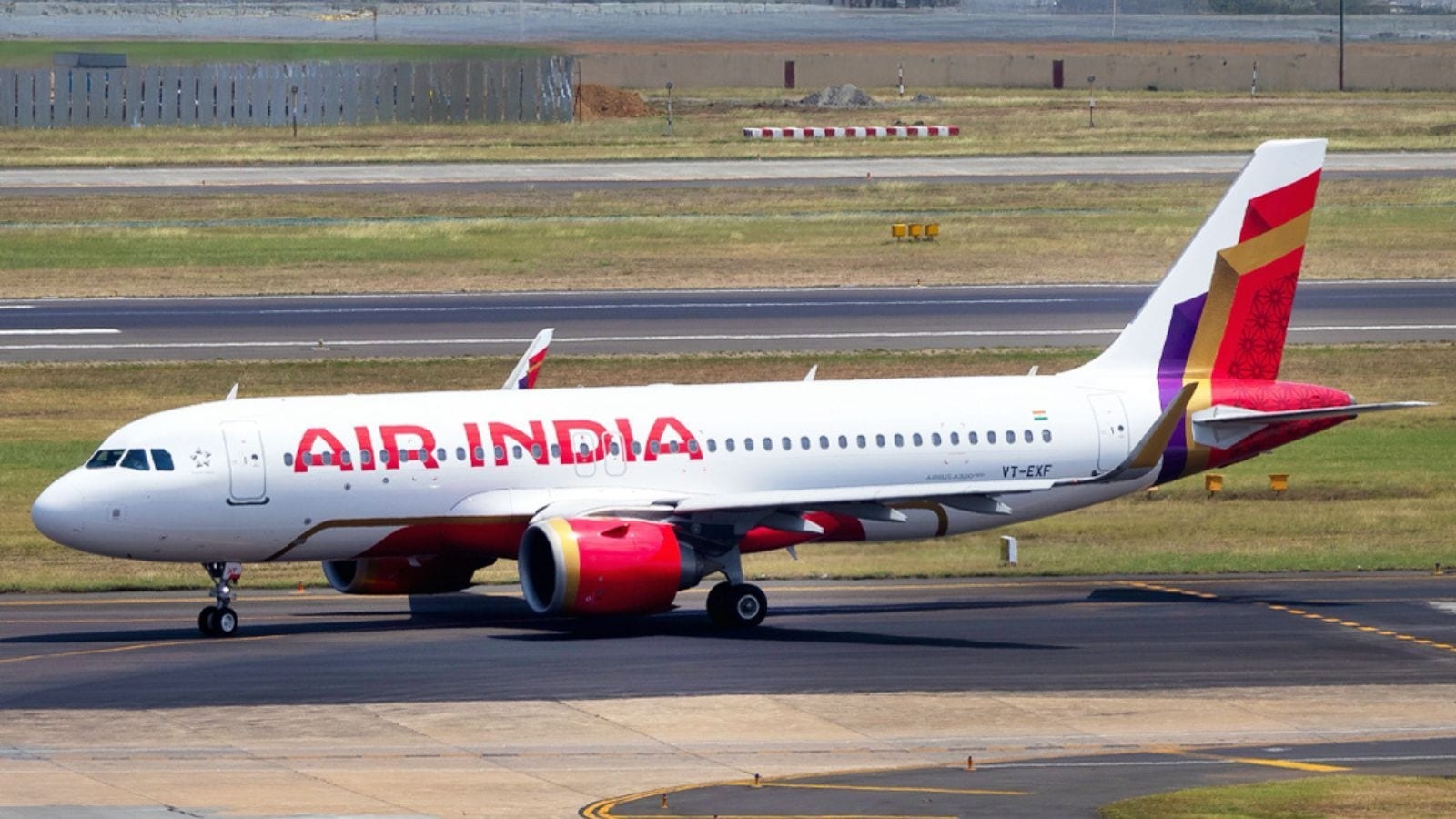
Indian Oil to supply sustainable aviation fuel to Air India; MoU inked to set the ball rolling
Tata group airline Air India and India's largest refiner and fuel retailer Indian Oil Corporation (IOC) have inked a memorandum of understanding, laying the groundwork for supply of sustainable aviation fuel (SAF) manufactured by IOC to Air India. This is the first agreement between an Indian airline and a fuel supplier with respect to SAF, a biofuel that is expected to be a key pillar of the aviation sector's decarbonisation efforts over the coming years and decades. The initial agreement between IOC and Air India comes close on the heels of the refiner receiving international certification for production of the biofuel from used cooking oil at its Panipat refinery. Although the agreement is an initial one, executives in the two companies expect it to translate into a firm SAF supply pact over the coming months. By the end of this calendar year, IOC will have the capacity to produce 35,000 tonnes per year of SAF from used cooking oil, which will be sourced from large hotel chains, restaurants, and sweets and snacks majors like Haldiram's, which usually discard cooking oil after single use. IOC became the first company in India to receive the ISCC CORSIA certification for SAF production at its Panipat refinery in Haryana. ISCC CORSIA is a certification system for compliance with the Carbon Offsetting and Reduction Scheme for International Aviation (CORSIA) criteria for SAF. It is a prerequisite for commercial SAF production. According to IOC, the certification also sets a benchmark for other domestic refiners and industry players to scale up SAF production. SAF is a biofuel that is produced from sustainable feedstocks and has chemistry similar to conventional aviation turbine fuel (ATF) or jet fuel, which is derived from crude oil. This means that existing aircraft engines can easily use the SAF-ATF blend. For instance, Airbus claims that all its aircraft are capable of flying on a maximum 50 per cent blend of SAF and conventional fuel. Various Indian airlines have already operated successfully a few test and demonstration flights using jet fuel doped with SAF in various proportions. According to aviation industry and energy experts, SAF alone is likely to account for over 60 per cent of the global aviation industry's decarbonisation efforts. The year 2027 will be an important one for adoption of SAF globally with the mandatory phase of CORSIA kicking in. CORSIA, which applies to international flights, would require airlines globally to offset any growth in carbon dioxide emissions beyond the 2020 levels. Using jet fuel blended with SAF is one of the ways through which carriers can keep their emissions under permissible levels. India, too, will have to comply with the mandatory phase starting 2027. In line with the CORSIA framework, India's National Biofuel Coordination Committee (NBCC) has set the initial indicative targets for blending of SAF with jet fuel 2027 onwards, starting with international flights. The indicative targets are: 1 per cent blending in 2027 and 2 per cent in 2028. The government is expected to announce SAF blending mandates for domestic flights in India as well, but only after blending for international flights begins 2027 onwards. 'By integrating certified green fuels into commercial operations, Indian Oil and Air India are together reinforcing India's position as a front-runner in sustainable aviation and energy transition. Through this MoU, IOCL and Air India aim to collaborate on the supply of SAF to meet CORSIA targets for international flights, ensuring a reliable, transparent, and sustainable fuel supply to support both companies' environmental goals,' Air India and IOC said in a statement. According to Air India, the MoU is part of the airline's efforts that align with India's broader push for green aviation, which includes blending regular jet fuel with SAF, and development of supply chains for the biofuel across the country. As part of its broader strategy to achieve the International Air Transport Association's target of net-zero emissions by 2050 and comply with CORSIA obligations, Air India is actively pursuing initiatives in operational efficiency, low-carbon emissions, and SAF. While IOC has already received the certification for the used cooking oil pathway for SAF production, the company is also working on setting up units based on the alcohol-to-jet pathway, which involves using ethanol as a feedstock to make SAF. A few other companies in India are also working to build units based on the various SAF manufacturing pathways.
