



Mysterious 1955 Chrysler Falcon concept car makes rare appearance. Is it the only one left?
The elegant Falcon was conceived to elbow Chrysler into the spotlight shining on the new and exciting Chevrolet Corvette and Ford Thunderbird, graceful two-seaters drawing acclaim and buyers to Chrysler's crosstown rivals in Detroit.
'The car is significant as a window into what might have been if Chrysler had decided to match the Corvette and Thunderbird with a two-seater of its own,' said Matt Anderson, transportation curator at The Henry Ford museum in Dearborn, Michigan.
'The Falcon blended the sportiness of the Corvette with the personal luxury of the T-Bird quite well.
'Whether there was a market for that mix, we'll never know.'
The Chrysler Falcon is part of the Bortz Auto Collection of concept cars preserved by enthusiast Joe Bortz. His cars are not permanently displayed anywhere, but make the rounds of leading museums and auto events.
The Chrysler Falcon is unrelated to the 1960s Ford compact sedan of the same name.
Off-the-shelf parts
Chrysler styling lost its edge when it resumed passenger-vehicle production after World War II.
Chairman J.T. Keller charged design chief Virgil Exner with revitalizing the brand. Exner enlisted Italian coachbuilder and designer Ghia to build what he called his 'idea cars.'
The string of concept cars for Chrysler included the K-310, Norseman and Imperial Crown. They were one-off projects, show cars designed to fire the imagination, not for production and sale.
'The Falcon changed that,' Stellantis historian Brandt Rosenbusch told me. 'It was conceived to compete with the Corvette and Thunderbird, so it used off-the-shelf parts for easy production.'
That included a shortened 1955 Chrysler 300 chassis ― 105 inches long, 11 inches less than the production sedan. Other production features included a Hemi V8 and power steering, brakes and windows. The car is drivable.'It's a stunning car. The proportions are perfect,' Bortz said. 'It's unusual for its time because it had so little chrome.'
But committing to produce the low, graceful Falcon was too much to ask of a chairman who once declared every Chrysler's roof must be high enough that a gentleman could wear his hat while driving.
The car never made it to the assembly line. Nobody's entirely certain how many Ghia's old-world workshop in Turin built. It was once believed Ghia built only one Falcon, but we know now there were at least two. Maybe three, according to a Ghia memo citing a build order from Chrysler.
Where can I see the 1955 Chrysler Falcon concept?
Somehow, they vanished
Supporting the three-car theory, Chrysler archives have photos of Falcons in three different colors:
'There's a lot of guesswork,' Bortz said.
The Falcon was first shown to the public in New York in August 1955, alongside Chrysler's Flight Sweep I and II concept cars.
Nobody knows what happened to the Flight Sweeps. Many early concept cars were sold to private buyers and driven till they died.
The Falcon lived on. Its grille inspired the 1998 Chrysler Chronos concept car and the sensational 2005 Chrysler 300.
The car will be on the 18th fairway at Pebble Beach this year, one of several Exner cars that are part of a tribute to Chrysler's centennial. Bortz will display it with the convertible top up, a seldom seen configuration.
'Exner will always be remembered for the 'Forward Look' Chryslers of the late 1950s,' Anderson said. 'Those cars absolutely remade the company's image from old fashioned to cutting edge.
'The 1957 ad campaign said it best: 'Suddenly it's 1960!'
'While he didn't invent the tailfin, Exner employed it to greater effect than any of his contemporaries.'
The Falcon 'was considered Exner's finest car,' Bortz said. 'He kept a model on his desk.'
1955 Chrysler Falcon at a glance
Built in Turin by Carrozerria Ghia SpA
Wheelbase: 105 inches
Length: 182 inches
Width: '68½ inches'
Height: '51 1/8 inches'
Engine: 'Special Chrysler Corp. V8 hemispherical combustion chamber
Tires: 15-inch
From Chrysler's description:
Interior:
Source: Stellantis archives
Contact Mark Phelan: mmphelan@freepress.com. Follow him on Twitter @mark_phelan. Read more on autos and sign up for our autos newsletter. Become a subscriber.
Hashtags

Try Our AI Features
Explore what Daily8 AI can do for you:
Comments
No comments yet...
Related Articles

Motor 1
 6 hours ago
- Motor 1
Ford's $30,000 EV Truck Could Save Americans Thousands in Maintenance. And They Need To Know it
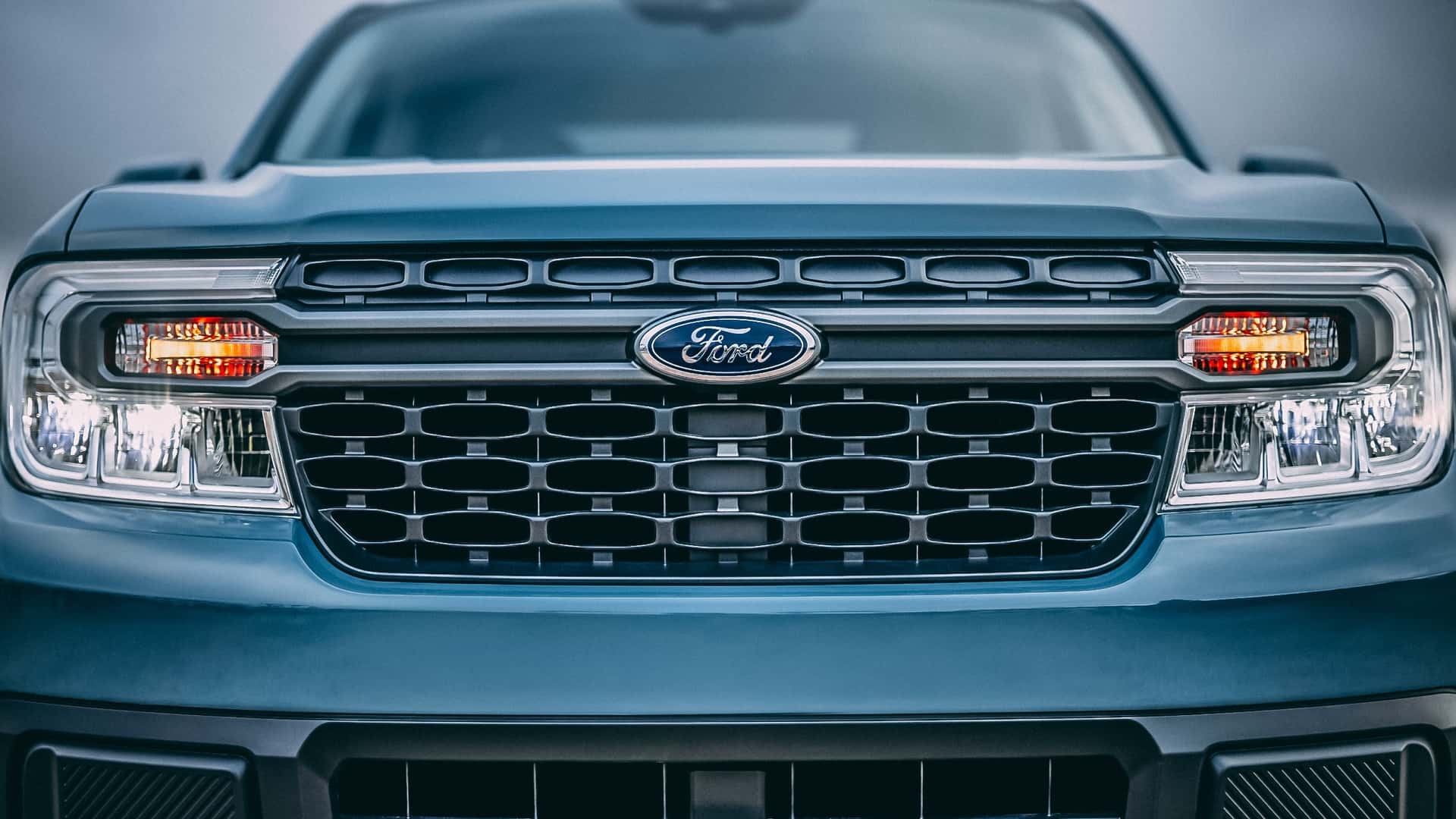
Ford Motor Company is betting quite a lot on its new "Universal EV Platform,' which will spawn a $30,000 electric pickup in 2027 . It certainly said the right things last week: The truck will have a competitive price, ample performance, and unmatched utility in a versatile package. This new vehicle is a bold promise that combines emerging technologies and new-to-Ford manufacturing processes. However, it could all be for nothing if Ford doesn't get the marketing right. The Blue Oval has to highlight one thing dealers might not like: Maintenance intervals. For as much as many of us love cars and enjoy the art, science, and frustration of working on them, most owners couldn't care less. I enjoy changing my car's oil on a quiet Saturday morning, and I'm sure there were plenty of people who found pleasure in cleaning the stables before the horseless carriage upended their careers. For most people, maintaining a vehicle is one of the last things they want to do. Negligence is common among owners, but it's also more expensive to maintain and fix vehicles than ever before, with costs spiking 43 percent post-pandemic, according to one study . This should be a wake-up call and an opportunity for automakers—Ford especially. Photo by: Ford Not only do new car prices continue to rise, but the cost of ownership is also increasing. Oil changes, repairs, and maintenance costs are things no one likes to think about, but they should be front and center in the EV conversation. In ditching the internal-combustion engine, electric cars provide benefits that could lead to a better, cheaper ownership experience, and automakers need to let their customers know. EVs face their own set of growing pains, which automakers continue to struggle with. But these issues are mostly related to software and production quality. Those are things that, once solved, should make owning an electric vehicle more appealing to average consumers. Just look at the Mach-E and F-150 Lighting. Yes, Ford recommends service every 10,000 miles, but it's for the most basic stuff. Techs inspect the brakes, steering linkage, and cooling system, rotate the tires, and check the wheels for any abnormalities. At 40,000 miles (and every 20,000 thereafter), Ford recommends replacing the cabin air filter and performing the 10,000-mile service. The first major maintenance interval for either of Ford's EVs is at 200,000 miles, and even then, there's not much to do. Photo by: Ford Many owners may not bring in their EV for its first major service for over a decade after purchase.. That's quite different compared to visiting the dealership in the first three to six months of ownership for an oil change. And something Ford should truly highlight as it pins its hopes on its new EV platform. The only big hardware concern with EVs is battery longevity, but a study from earlier this year found that degradation is almost a non-issue, with cars retaining 90 percent of their battery capacity after 90,000 miles. It's another thing that the average driver might not notice until years after purchasing a car, and automakers could design vehicles to make it easy and cheap to replace old batteries, minimizing frustration and likely keeping the customer in a bubble of profitable subscription services. But none of it matters if these vehicles don't roll off the line fully cooked. Ford is positioning its new line of EVs as affordable models, which is what consumers are clamoring for. And being affordable means more than just an attractive MSRP. If cheap EVs can lower the total cost of vehicle ownership for people and save them a few bucks in their day-to-day commute, that frees up more of their money to spend on that Mustang or Bronco they have always wanted. It's not as if we'll consume less, but rather the opposite. That gives consumers more choice on how to spend their money, and more opportunities for Ford and others. The Latest From Ford The Latest Mustang GTD Ditches Paint for Pure Carbon It's Your Last Chance to Buy a Ford GT Share this Story Facebook X LinkedIn Flipboard Reddit WhatsApp E-Mail Got a tip for us? Email: tips@ Join the conversation ( )

USA Today
6 hours ago
- USA Today
Mysterious 1955 Chrysler Falcon concept car makes rare appearance. Is it the only one left?
A lovely and legendary car shrouded in mystery, the 1955 Chrysler Falcon made a rare public appearance Sunday, Aug. 17, at the Pebble Beach Concours d'Elegance classic car show in California. The elegant Falcon was conceived to elbow Chrysler into the spotlight shining on the new and exciting Chevrolet Corvette and Ford Thunderbird, graceful two-seaters drawing acclaim and buyers to Chrysler's crosstown rivals in Detroit. 'The car is significant as a window into what might have been if Chrysler had decided to match the Corvette and Thunderbird with a two-seater of its own,' said Matt Anderson, transportation curator at The Henry Ford museum in Dearborn, Michigan. 'The Falcon blended the sportiness of the Corvette with the personal luxury of the T-Bird quite well. 'Whether there was a market for that mix, we'll never know.' The Chrysler Falcon is part of the Bortz Auto Collection of concept cars preserved by enthusiast Joe Bortz. His cars are not permanently displayed anywhere, but make the rounds of leading museums and auto events. The Chrysler Falcon is unrelated to the 1960s Ford compact sedan of the same name. Off-the-shelf parts Chrysler styling lost its edge when it resumed passenger-vehicle production after World War II. Chairman J.T. Keller charged design chief Virgil Exner with revitalizing the brand. Exner enlisted Italian coachbuilder and designer Ghia to build what he called his 'idea cars.' The string of concept cars for Chrysler included the K-310, Norseman and Imperial Crown. They were one-off projects, show cars designed to fire the imagination, not for production and sale. 'The Falcon changed that,' Stellantis historian Brandt Rosenbusch told me. 'It was conceived to compete with the Corvette and Thunderbird, so it used off-the-shelf parts for easy production.' That included a shortened 1955 Chrysler 300 chassis ― 105 inches long, 11 inches less than the production sedan. Other production features included a Hemi V8 and power steering, brakes and windows. The car is drivable.'It's a stunning car. The proportions are perfect,' Bortz said. 'It's unusual for its time because it had so little chrome.' But committing to produce the low, graceful Falcon was too much to ask of a chairman who once declared every Chrysler's roof must be high enough that a gentleman could wear his hat while driving. The car never made it to the assembly line. Nobody's entirely certain how many Ghia's old-world workshop in Turin built. It was once believed Ghia built only one Falcon, but we know now there were at least two. Maybe three, according to a Ghia memo citing a build order from Chrysler. Where can I see the 1955 Chrysler Falcon concept? Somehow, they vanished Supporting the three-car theory, Chrysler archives have photos of Falcons in three different colors: 'There's a lot of guesswork,' Bortz said. The Falcon was first shown to the public in New York in August 1955, alongside Chrysler's Flight Sweep I and II concept cars. Nobody knows what happened to the Flight Sweeps. Many early concept cars were sold to private buyers and driven till they died. The Falcon lived on. Its grille inspired the 1998 Chrysler Chronos concept car and the sensational 2005 Chrysler 300. The car will be on the 18th fairway at Pebble Beach this year, one of several Exner cars that are part of a tribute to Chrysler's centennial. Bortz will display it with the convertible top up, a seldom seen configuration. 'Exner will always be remembered for the 'Forward Look' Chryslers of the late 1950s,' Anderson said. 'Those cars absolutely remade the company's image from old fashioned to cutting edge. 'The 1957 ad campaign said it best: 'Suddenly it's 1960!' 'While he didn't invent the tailfin, Exner employed it to greater effect than any of his contemporaries.' The Falcon 'was considered Exner's finest car,' Bortz said. 'He kept a model on his desk.' 1955 Chrysler Falcon at a glance Built in Turin by Carrozerria Ghia SpA Wheelbase: 105 inches Length: 182 inches Width: '68½ inches' Height: '51 1/8 inches' Engine: 'Special Chrysler Corp. V8 hemispherical combustion chamber Tires: 15-inch From Chrysler's description: Interior: Source: Stellantis archives Contact Mark Phelan: mmphelan@ Follow him on Twitter @mark_phelan. Read more on autos and sign up for our autos newsletter. Become a subscriber.
Yahoo
7 hours ago
- Yahoo
GM Once Again Shows Off Radical Corvette Concepts
Once again, GM has revealed some Corvette concepts which push the sports car in an exotic hypercar direction. The Corvette CX and CX.R Vision Gran Turismo were paraded at The Quail during Monterey Car Week. Thankfully, neither one will ever roll off a production this is the third time this year GM has revealed such concepts for the Corvette's future and we think it's a not-so-subtle hint of things to come. But we have a serious problem with this direction. Since its inception, the Corvette has been a blue collar sports car, America's sports car, that was not only fast and cool but also accessible. You didn't have to be some rich guy with a mansion to own one, unlike Ferraris and such. While the C8 Corvette pushed the sports car upmarket some, while also giving it an exotic flavor by putting the engine midship, it has remained fairly accessible, although sadly not as much as in the past. But it seems GM really wants to make the Corvette its vanity project to take on Ferrari, Koenigsegg, Lamborghini, McLaren, and others. We guess it's to show Americans can make ridiculous hypercars with inflated prices, too. This sort of attitude has birthed other ridiculous things like modern muscle cars which cost more than $100,000 (those were supposed to be even more attainable than the Corvette). GM says it's doing the work to 'propel (the Corvette) into the future.' And we guess in the future one will have to be a rich and powerful executive to enjoy one. We get these concepts are design exercises, but we also know concepts affect future production cars. Our hope is this fascination with making the Corvette so over-the-top doesn't result in a future model that has a base MSRP of $750,000 or more, pricing out the enthusiasts who have been loyal to the sports car for decades. Images via GM Join our Newsletter, subscribe to our YouTube page, and follow us on Facebook.
